



Tensions with Israel
The breakthrough came even with ongoing tensions between Washington and Israel regarding military actions in Lebanon.
Israeli Prime Minister Benjamin Netanyahu has consistently pushed back against American calls to reduce military efforts against Hezbollah, claiming that Israeli security needs justify continued operations.
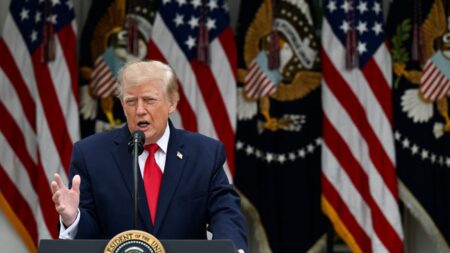
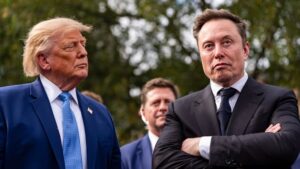
Trump reportedly updated Netanyahu on the negotiation progress during a phone call on Sunday.
In a recent interview, the U. S. president described Netanyahu as “a very difficult guy” and suggested that Israeli leaders should recognize Washington’s role in stopping Iran from acquiring nuclear weapons.
This disagreement highlights a major challenge for implementing the agreement: making sure regional players align with the larger diplomatic process.
Governments across Europe welcomed the news and expressed support for ongoing negotiations.
Britain, France, Germany, and Italy released a joint statement indicating their readiness to consider lifting sanctions if Iran takes verifiable steps to limit its nuclear activities.
British Prime Minister Keir Starmer stressed that freedom of navigation through the Strait of Hormuz must be fully restored while reiterating that Iran must not obtain nuclear weapons.
While many questions remain unanswered, the framework agreement presents the first clear path toward resolving a conflict that has unsettled the Middle East and disrupted global markets for months.
The evolution of this ceasefire into lasting peace will largely depend on how successful upcoming negotiations over Iran’s nuclear program, sanctions relief, and security arrangements are in this strategically important region.
(Source: Reuters)
Source link