



Sen. Cory Booker, D-N. J., is reigniting the push from Democrats to lift the federal prohibition on marijuana by reintroducing legislation today that would take cannabis off the Controlled Substances Act, automatically erase many federal nonviolent marijuana convictions, and set up a federal framework for overseeing the legal cannabis industry.
Sen. Cory Booker, D-N. J. Matthew Hoen / Nur Photo via Getty Images file
“For decades, generations have suffered unjustly under the failed War on Drugs and broken cannabis laws – hurting primarily people of color. It is long overdue that we stand up for them,” Booker said in a statement shared first with NBC News. “I am proud to reintroduce this commonsense legislation, which will dismantle the unjust and outdated federal marijuana prohibition.”
The Cannabis Administration and Opportunity Act, introduced alongside Senate Minority Leader Chuck Schumer, D-N. Y., and Sen. Ron Wyden, D-Ore., would allow states to keep setting their own cannabis laws while shifting federal oversight from the Drug Enforcement Administration to the Department of Health and Human Services and the Treasury Department. It would also direct cannabis tax revenue toward communities that have been disproportionately affected over the years by drug enforcement.
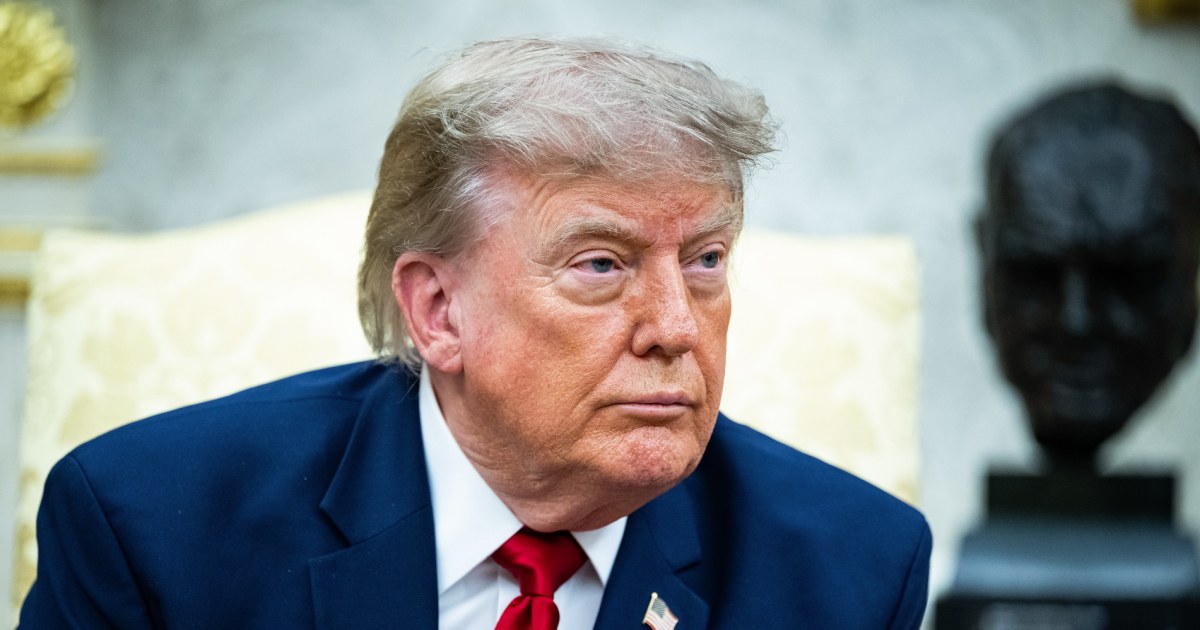
This initiative comes months after the Trump administration took steps to loosen restrictions on FDA-approved marijuana products and state-sanctioned medical marijuana items while starting a quicker review of broader marijuana classifications. Booker’s proposal goes further by completely removing cannabis from the Controlled Substances Act and ending its federal prohibition.
The legislation would also enhance cannabis research, set federal product standards, and create pathways for individuals serving sentences for certain nonviolent federal marijuana offenses to seek relief.
Booker, Schumer, and Wyden initially introduced this legislation in 2021; however, it did not progress in Congress. The proposal is likely to encounter significant challenges in the Republican-controlled Congress where past attempts to federally legalize marijuana have repeatedly stalled despite increasing public support for legalization.
Source link