


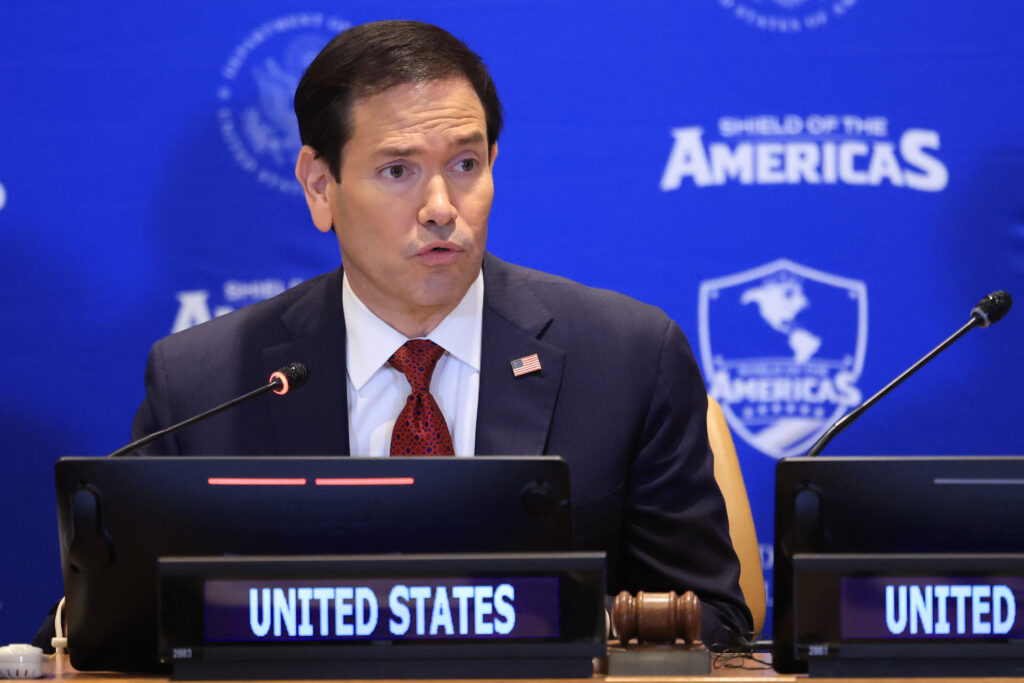
US Secretary of State Marco Rubio speaks during a meeting of the multinational political and security coalition “Shield of the Americas” on the sidelines of the 81st United Nations General Assembly in New York, on September 22, 2026. Photo by CHARLY TRIBALLEAU / POOL / AFP via Getty Images The State Department’s new birth tourism visa policy, announced on Sept. 23, aims at those running networks, visa advisors, and foreign doctors involved in this practice. This move gives the administration a fresh approach against an industry it claims is selling U. S. citizenship. It comes during an ongoing legal battle regarding birthright citizenship and a significant visit from China’s president.
Who the Policy Covers
The rule targets anyone who knowingly participates in or facilitates birth tourism, according to Secretary of State Marco Rubio’s statement. Previous actions are taken into account, not just future ones. Four groups are specifically identified. The first includes those managing commercial facilitation networks. The second consists of visa advisors who coach applicants to provide false information. The third comprises foreign medical professionals who knowingly assist in these activities. Lastly, there’s a broad category for anyone else supporting this practice.
US Immigration and Customs Enforcement (ICE) interact with travelers at George Bush Intercontinental Airport in Houston, Texas on March 23, 2026. Photo by RONALDO SCHEMIDT / AFP via Getty Images
Rubio mentions that these operations promote their services abroad and charge tens of thousands for arranged births. His statement also connects some providers to improper use of Medicaid but doesn’t provide specific case counts or examples.
The Message to the Industry
The department’s message is clear: the U. S. “will not allow foreigners to exploit our immigration system”. The approach is intentional; rather than just targeting pregnant travelers at consulates, it focuses on those profiting from facilitating such trips. The statement notes that certain relatives might also be affected by these restrictions but fails to specify which relatives they mean or how officials would identify them. These details could be crucial for those working within the industry like travel agents or clinic managers.Timing Ahead of the Xi Visit
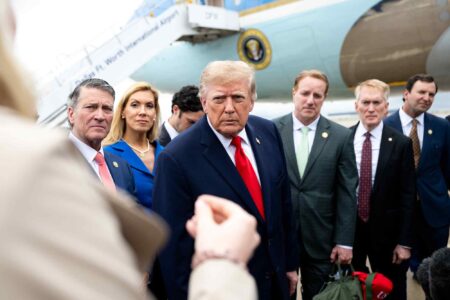
Reports indicate that this announcement came just hours before President Trump was set to welcome Chinese President Xi Jinping at Joint Base Andrews. This marks Xi’s first state visit to Washington in over ten years. Trump has often pointed out wealthy Chinese parents when discussing birthright citizenship issues; however, it’s important to note that this policy does not specify any country as a target for restrictions.Part of a Bigger August Push
This action builds upon two executive orders signed by Trump on Aug. 6: one that limits who can receive citizenship at birth and another titled “Ending Birth Tourism,” directing State and Homeland Security to deny visas if travel is intended for giving birth. These orders came after the Supreme Court ruled against earlier attempts by the administration concerning birthright citizenship in June. Time reported both new orders may face legal challenges ahead; ACLU representative Cody Wofsy stated that “birthright citizenship is guaranteed by the Constitution.” This recent move is narrower in scope-it pertains only to visa policies rather than altering citizenship rules-so it sidesteps constitutional debates while leaving children’s status unaffected.How Big Is the Problem?
No one really knows exactly how big this issue is. Time highlighted that there are no official stats tracking birth tourism specifically; government figures show fewer than 10,000 births recorded in 2024 involving mothers with foreign addresses-which serves as an approximate indicator rather than actual counts of tourists coming solely for childbirth. To put things into perspective, there were about 3.6 million births recorded across the U. S. in 2025-a rough comparison shows that births with foreign addresses would still represent less than 1% of total births according to Migration Policy Institute analysts cited by Time, describing this practice as uncommon yet drawing considerable attention compared to its actual scale.What to Watch Next
A number of questions linger since many remain unanswered after this announcement: Enforcement: whether officials will disclose names barred from entry or act quietly through visa denials The “knowingly” standard: how officials will demonstrate that a foreign doctor or agent understood a patient’s intent Family restrictions: which family members are included and how they’re identified Courts: whether challenges related to August’s orders will extend into discussions about this policy This policy relies on provisions concerning inadmissibility based on foreign policy matters; thus decisions usually happen during visa applications away from public scrutiny. It remains uncertain whether it will effectively disrupt real networks or serve more as an indication of intent until further actions unfold. © {{Year}} Latin Times. All rights reserved. Do not reproduce without permission.Source link