


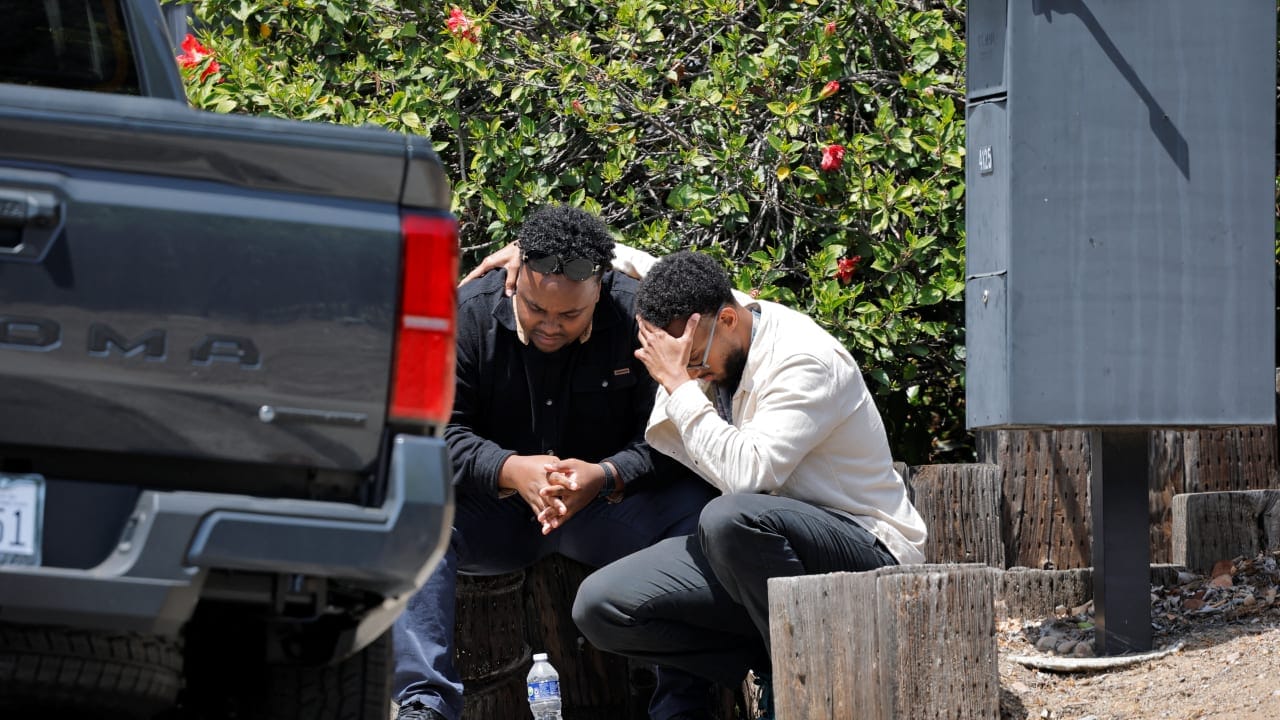
The tragic shooting at the Islamic Center of San Diego has sparked more discussions across America about political violence, hate crimes, and radicalization. This comes at a time when the country is already grappling with antisemitic attacks, threats against public figures, the killing of conservative activist Charlie Kirk, and various attempts aimed at President Donald Trump.
For more stories from The Media Line go to themedialine. org
The attack in San Diego on May 18, 2026, resulted in three fatalities at the mosque. Among those killed was security guard Amin Abdullah, who local authorities and community members say played a critical role in averting a larger tragedy by confronting the assailants and initiating a lockdown that kept children safe inside the compound. The two attackers were identified as teenagers Cain Clark, 17, and Caleb Vazquez, 18; they later died from what appeared to be self-inflicted gunshot wounds. Investigators are treating this incident as a hate crime while also looking into signs of online radicalization linked to white supremacist beliefs.
This incident occurred less than a year after several other attacks raised alarms about whether political violence and ideological extremism are becoming more frequent or simply harder to manage amid fragmented media landscapes and declining trust in institutions.
In May 2025, two staff members from the Israeli Embassy-Yaron Lischinsky and Sarah Milgrim-were shot outside the Capital Jewish Museum in Washington, DC. Then in June 2025, an assailant targeted participants of a Boulder walk advocating for Israeli hostages held in Gaza, injuring multiple individuals; this was classified by the FBI as an act of terrorism possibly motivated by hate.
YARON LISCHINSKY and Sarah Lynn Milgrim were killed on May 21, 2025 as they left an event at the Capital Jewish Museum in Washington. (credit: REUTERS)
Following those attacks came the September 2025 assassination of Charlie Kirk, founder of Turning Point USA and a prominent conservative voice in America. Kirk was shot while speaking at Utah Valley University; Utah Governor Spencer Cox described it as a political assassination. Prosecutors charged Tyler Robinson with aggravated murder among other charges since they alleged Kirk was specifically targeted due to his political views.
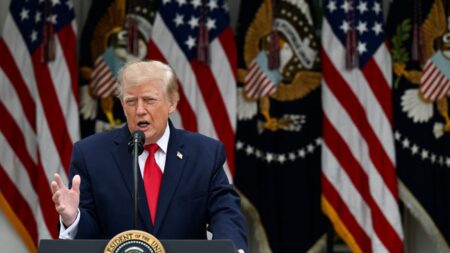
Pressure on American institutions heightened once again when Cole Tomas Allen was indicted on federal charges related to an attempted assassination of President Trump during an armed episode at the White House Correspondents’ Dinner back in April 2026. This incident followed an earlier attempt on Trump’s life on July 13, 2024 in Butler, Pennsylvania where he sustained injuries while one rally attendee lost their life along with others being injured.
A growing sense of national fragility
The accumulation of these incidents doesn’t necessarily indicate they’re part of one coordinated effort; their motivations vary widely along with ideological references and operational patterns. Some have explicitly targeted Jews or Israelis; others focused on Muslims or involved politicians and public figures. Yet this ongoing cycle of violence across different ideological groups has contributed to a wider perception of vulnerability within our nation.
John King-a tech strategist previously engaged with US government communications systems supporting national leadership-suggests that we’re seeing several overlapping pressures contributing to this climate: eroding trust in institutions coupled with fragmented media channels alongside economic anxieties.
“What makes today’s landscape unique is how technology interacts with politics,” King told The Media Line. “Tools like artificial intelligence or deepfakes can amplify polarization by complicating citizens’ ability to discern fact from falsehoods.” He added that while disagreements have always existed within American democracy regarding viewpoints or policies-increased speed through modern information systems can heighten tensions rapidly without leaving much time for thorough reflection.”
These latest cases also coincide with high levels of reported animosity toward religious minorities. Both Jewish and Muslim communities have expressed escalating fear along with rising threats since hostilities erupted over Gaza began; civil rights organizations warn that bias-driven incidents are increasingly influenced by global events alongside domestic rhetoric as well as online radicalization trends. There are methodological limitations too: advocacy groups monitor reported cases whereas official hate-crime statistics depend heavily upon law enforcement reporting which remains inconsistent.
For Joe Young-the director at Patterson School for Diplomacy-while recognizing recent violent outbursts should certainly concern us he urges placing them within historical context.
“These violent occurrences are troubling,” Young stated via The Media Line adding “But we shouldn’t forget past periods saw far worse violence like during both Civil Wars or even racial upheaval throughout last century so today’s numbers aren’t unprecedented.”
That contextual framing holds significance because America has experienced prolonged cycles marked by far greater political unrest than what we currently face including eras such as Reconstruction coupled alongside assassinations occurring during turbulent decades before today’s atmosphere became hyper-accelerated largely thanks technology driving discourse beyond traditional limits associated historically political grievances now spilling into mainstream culture itself. p >
How international conflict can affect domestic tensions.
What happens overseas directly impacts sentiments here too often leading people down paths not justified based solely on realities surrounding personal circumstances alone.”p >
“The most dangerous thing is how different types extremism can start influencing each other creating cycles where acts justify further retaliation”, according King suggesting democracies must maintain clear boundaries distinguishing between legitimate dissent versus intimidation tactics deploying violence.” p >
Young supports linking current events abroad particularly around conflicts involving Israel Gaza yet sees distinct roots sources fueling all forms hostility seen recently.” p >
“The war there has definitely pushed some individuals toward radical viewpoints,” he said stating “although uncertain why specific mosques end up becoming targets often leading younger generations engaging deeply extremist ideologies encountered digitally.” p >
The San Diego attack specifically drew attention due alleged connections emerging through online environments according reports derived from investigations indicating perpetrators interacted virtually prior plotting actions expressing hatred towards several communities referencing neo-Nazi ideas subsequently fitting broader frameworks observed targeting vulnerable segments youth influenced digital subcultures.” p >
While discussing internet roles present day dynamics Young remarked although finding individuals together easier now compared previous times similar violent outbreaks happened long before social networks emerged emphasizing though connectivity facilitated growth dangerous ideologies cannot overlook historical precedents representing how anger mismanaged leads destruction regardless medium utilized.”