




Estimated 6 minutes
Currently, there are 139 wildfires active in northwestern Ontario, with 30 of them not under control, as reported by the Ministry of Natural Resources.
The ministry also shared on Thursday that the situation seems to have improved slightly, noting “minimal fire behaviour has been observed in recent days.”
Evacuation orders or alerts are still in effect for regions near these fires:
A new evacuation alert was issued on Friday morning in the Saganaga Lake area by the Thunder Bay-Ignace District due to changes in conditions and increased fire activity related to Fort Frances 13.
Ontario Forest Fires strongly advises residents or visitors near the fire area to be ready for a quick evacuation by taking these actions:
Ensure they’re informed about the current fire situation. Pack an emergency bag with necessities (i. e., medicine, passports, legal documents etc.). Keep track of official updates. Be prepared to leave quickly if needed. Follow evacuation orders, road closures, and guidance from public officials. Give firefighters and aircraft enough space to operate.
The biggest wildfire in the area, called Thunder Bay 36, continues to be out of control and covers over 315,000 hectares.
The Ministry of Natural Resources stated that the Thunder Bay-Ignace District has put an implementation order into action for areas around Dryden 36 for public safety and fire suppression efforts.
An implementation order allows the ministry to issue formal directives that limit activities and manage access within emergency boundaries.
“Even when fire behaviour appears minimal, large wildland fires may stay classified as NUC [not under control] for longer because it takes time to ensure that the entire perimeter is secure,” said the ministry on Thursday.
“We urge people to avoid all active fires nearby. Being close can interfere with ongoing suppression efforts and may endanger Fire Rangers and aircraft.”
The Pan Canadian Aerial Asset Program managed by the Canadian Interagency Forest Fire Centre has sent two Q400 airtankers along with a birddog aircraft to assist in this region.
Additionally, six AT-802 planes and a crew of twelve have been dispatched from Alberta to help with firefighting operations.
As of Friday, forest fire danger ratings have escalated to high across many parts of northwest Ontario compared to mostly low or moderate ratings seen earlier this week.
Pockets of extreme risk are present within the District of Rainy River and near Deer Lake.
Highway closures currently active
The province’s interactive highway map shows that Highway 527 at Kiashke Zaaging Anishinaabek – Gull Bay First Nation – remains closed, extending up to where it meets Highway 811.
Highway 811 is also shut down due to ongoing wildfire activity except for local traffic evacuating from affected areas.</P
A mandatory evacuation order is still enforced for First Nation after lightning sparked six wildfires around their community according to an announcement made early Tuesday morning.</P
A sign indicates Highway 527’s closure at Kiashke Zaaging Anishinaabek – Gull Bay First Nation – which has been extended up until its junction with Highway 811. (Marc Doucette/CBC)
The Ontario Provincial Police (OPP) advise everyone for their safety as well as that of emergency responders:
Stay away from impacted areas; do not go near wildfire scenes just for photos or videos. Remain calm while following all evacuation orders and instructions given by local authorities. Avoid unnecessary travel in affected regions. Stay updated through official sources regarding information and evacuation news. Keep roadways clear so emergency personnel can perform their duties safely. If you need to evacuate, take essential medications, identification documents, important papers, mobile devices along with chargers as well as any items needed for family members including pets.
No new fires reported in northeast
No new fires were noted in northeast Ontario on Thursday afternoon.</P
A total of forty wildfires remain active across northeastern regions as evening approaches. Out of those fires: two are uncontrolled; one is being held; four are under control while others continue being monitored.</P
The risk ratings indicate mostly low-to-moderate threats throughout northeast regions aside from a high hazard zone located within Greater Sudbury vicinity.
Total evacuees reaches 2,861
Totaling now over two thousand eight hundred individuals forced out due primarily due wildfire situations involving more than twelve communities statewide per latest communication shared late Wednesday afternoon via Jill Dunlop who serves as Minister responsible Emergency Preparedness Response.</P
Tents housing evacuees span eight designated host cities during this crisis period.
The province confirmed deployment consisting four operational partners alongside seventeen volunteers providing assistance. In addition noteworthy equipment/supplies distributed include:
312 air purifiers84 air filters Five air scrubbers2640 N-95 masks4340 hygiene kits80 food hampers
In support operations Feed Ontario together with Indigenous Friendship Centres distribute food supplies designed specifically assist evacuated persons Global Medic organization delivered critical aid provisions directly onto reception center located within Fort William Gardens Arena Thunder Bay’s site
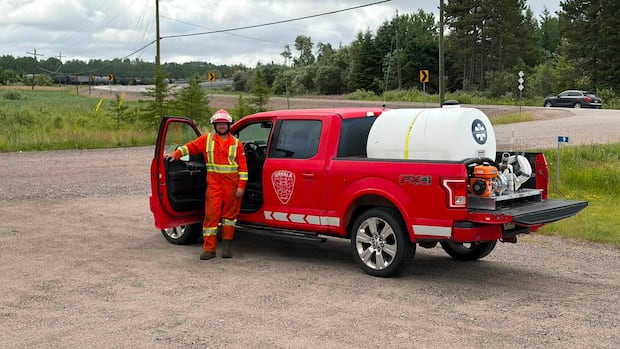
Kaministiquia Upsala departments received skids meant aid wildland firefighters sourced through collaboration established between groups like Global Medic facilitating regional resource sharing.
‘Enhanced monitoring’ implemented at Thunder Bay area
Citing improving conditions City shifts from coordinating emergencies actively towards enhanced observation state -“Wildfire status overall across northwestern Ontarios remains serious yet stable” indicated update released later last day Wednesday where no fresh evacuations expected presently.”</P

Source link