

Leaders from First Nations affected by wildland fires are continuing their calls for a public inquiry.
They held a press conference in Toronto shortly after Ministers Mike Harris, Jill Dunlop, and Greg Rickford shared updates on the fire situation in northern Ontario.
Fourteen communities, primarily First Nations, had to evacuate due to threatening fires.
Many of these evacuations happened without government help, forcing the communities to find their own transportation, temporary housing, and other necessary support.
Mishkeegogamang Chief Merle Loon expressed frustration over the government’s response.
“The fact is it was too late. Too little too late,” says Loon.
“The issue is they were not prepared and ready to act. This is a systemic issue, and we need to do better in the future.”
First Nation leaders cite government policy changes, budget cuts, and poor forestry management as factors that led to the rapid spread of some fires.
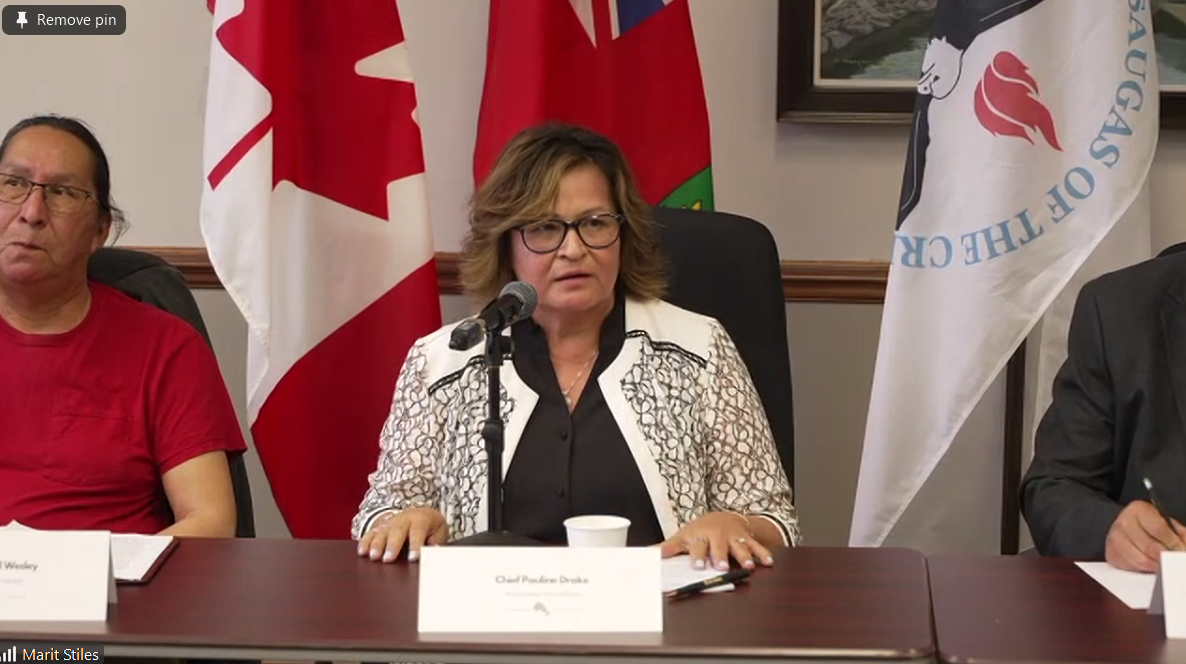
Cat Lake First Nation Chief Russell Wesley believes the inquiry matters not just for First Nations seeking answers about this year’s fire season.
Russell Wesley, Chief of Cat Lake First Nation, July 30, 2026. Livestream screen shot
“It’s just not First Nations that deserve an inquiry. It’s municipalities, little towns, and we don’t know the potential impacts of this wildfire season until we actually examine every part of it,” says Wesley.
Nishnawbe Aski Nation has put forward a dozen recommendations aimed at improving responses in the future.
These suggestions include establishing a First Nations wildfire authority, providing permanent funding for wildfire preparedness, developing climate adaptation strategies specific to First Nations needs regarding fire seasons, and creating early warning systems for detecting and tracking fires sooner.
Concerns about communication between the First Nations and government remain significant.
Some leaders from First Nations claim they have yet to receive any communication from the Premier or other cabinet members since their communities were evacuated.
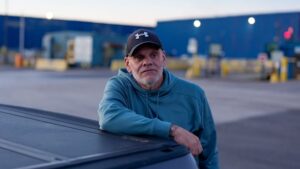
Former Neskantaga Chief Wayne Moonias notes that even with residents now in southern Ontario, there has been no contact from either the Premier or cabinet officials.
Wayne Moonias, former Chief of Neskantaga First Nation, July 30, 2026. Livestream screen shot
“The fact that my Chief was here with his community members for over a week; he did not get a single indication from the minister or from the government if they were going to come and see him,” says Moonias.
“That to me is intentional. It’s a lack of respect to our First Nation when it comes to treaty partnership; meaningful partnership; partnership that can help our people regardless of where you live.”
“It appears to be a second-tiered approach to First Nation concerns as it relates to fire and evacuations,” adds Wesley.
Randy Thoms is a veteran news broadcaster with over 40 years’ experience. He is based in Fort Frances and covers stories across northwestern Ontario. Contact Randy at thoms. randy@radioabl. ca.
View all posts
Source link