




Stelco Holdings let go of 85 workers at the end of last week, as reported by union leader Ron Wells. The previous week, he mentioned that the company had sent out 90 layoff notices.
While the U. S.-owned steelmaker claims that its decision to potentially lay off up to 500 employees in Hamilton and Nanticoke, Ont., is just a temporary result of the trade conflict between Canada and the U. S., advancements in technology and shifting demand patterns are combining with tariff-related challenges to shrink the industry’s formerly strong workforce.
Statistics Canada shows that direct employment in Canada’s primary steel manufacturing sector has fallen from almost 29,000 jobs in 2003 to around 14,000 by July.
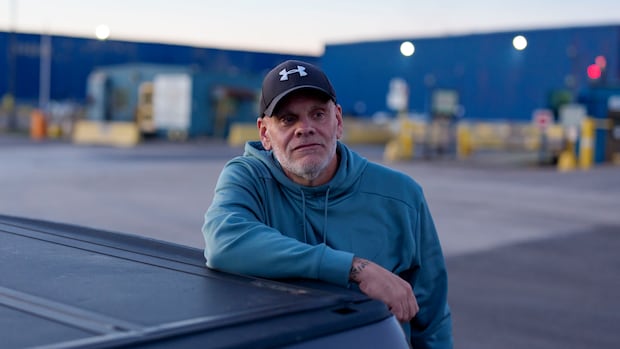
Wells, who heads United Steelworkers Local 1005 and has worked at Stelco for 47 years, recalls that when he started at Stelco, there were about 14,000 employees.
“To make a ton of steel nowadays, you need a lot fewer people,” Wells told . “Now, it’s a lot more streamlined.”
According to regulatory filings from the U. S., Cleveland-Cliffs – which owns Stelco and is North America’s largest producer of flat-rolled steel – saw its total workforce decrease from about 30,000 employees to roughly 25,000 between Dec. 31, 2024, and Dec. 31, 2025.
This year’s job reductions included around 600 layoffs in Dearborn, Mich., after Cleveland-Cliffs shut down a large blast furnace. CEO Lourenco Goncalves pointed to weak demand from North American automakers as the cause.
This move led to another round of cuts affecting an additional 600 workers in Minnesota so that the company could match its raw ore production with decreased blast furnace needs.
An aerial image of Stelco’s facility in Nanticoke, Ont. (Patrick Morrell/CBC)
In late September, shortly after U. S. President Donald Trump signed an executive order imposing tariffs up to 50 percent on specific steel and aluminum imports from Canada, Stelco announced it would lay off up to 500 workers across its two Ontario locations.
This situation sparked an ongoing dispute between the company and the federal government over Stelco’s responsibilities under the Investment Canada Act regarding maintaining a certain number of jobs within Canada.
However, Stelco isn’t alone; other Ontario steel workers are also dealing with job insecurity.
Last December, Algoma Steel issued layoff notices affecting approximately 1,000 employees-almost one-third of its workforce. The Sault Ste. Marie-based firm attributed this move to U. S. tariffs impacting their competitiveness abroad while simultaneously planning a shift towards greener electric-arc furnace production that requires less labor.
This followed Arcelor Mittal Long Products Canada’s announcement regarding the permanent closure of its Parkdale wire-drawing plant in Hamilton back in June 2025. Arcelor Mittal S. A. is recognized as one of the world’s leading steel and mining companies.
“Despite our best efforts, ongoing economic challenges along with increased imports made it clear we needed to reduce our operating footprint,” spokesperson Jean-Philippe Grou explained to at that time.
Concerns Over Cheaper Foreign Steel Imports
In correspondence obtained by The Canadian Press directed at Industry Minister Mélanie Joly, Stelco president Paul Simon expressed concerns about cold-rolled and coated steel imports taking up a hefty share-45 percent-of those product markets.
Wells argues that Ottawa needs to do more for Canadian manufacturers against cheaper foreign competition. He advocates for increased tariff-rate quotas to limit foreign steel entering into competition with domestic products.
“There’s too much capacity coming from offshore,” he stated. “It dilutes prices here in Canada.”
WATCH | Joly talks to media about Stelco negotiations:
‘Everything is on the table’ in Stelco negotiations says industry minister p>Industry Minister Mélanie Joly remarked that changes in market conditions shouldn’t be used by Stelco as an excuse for not fulfilling commitments made both to Canadians and their workers. Potential results from these discussions could involve ‘financial penalties’ or even ‘forced divestiture’ by their U. S.-based owners according to Joly.A recent forecast by research firm Wood Mackenzie highlights differences between U. S. versus Canadian steel industries. It anticipates that while demand shrinks domestically this year , U. S. steel production will still grow by around4.5 percent. Senior research analyst Tiago Vespoli noted contrasting circumstances ahead for Canada. p >“The increasein U. S. steeltariffsto50percent has substantially disrupted … established trade flows , resulting ina scenario where U. S. steelmakerscan boostproductionandmarketsharewhile Canadianproducersfaceintensifyingpressureonexportvolumesandcapacityutilization ,” he mentioned Thursday. p >Wells expressed optimism overa recent riseinspotpricesfor galvanizedsteel-a product Stelcorecently shifted awayfromin Hamilton. p >“Galvanizedsteelisnowat$1 ,800atonin Canada , whichisagreatimprovementfromsixmonthsago. That’swhywefindthese layoffsandtheidlingofthecoldmilland coated[steel]quite puzzling. Itseemedlike[pricesfor] coatedproductswerestartingto rebound. That’ s whywe believe thislayoffispartiallytoget Carneyto actand getatradeagreement,” hesaid. p >“We thinkit’stoget Trumplookinggoodinthe midterms-thathis tariffsareworking, andthat Canadiansteelworkersarebeinglaid off.” p >Goncalves has openly backed Trump’stariffpolicy, sparking stern criticismfrom Jolyand Prime Minister Mark Carney.
As litigationbetweenthe Cliffs companyand Ottawaloomslarger, Wells remainshopefulthat Stelcowillreinstate laid-offworkers.
“It’stoughtotake themattheirwordanymore, to be honestwithyou,” hesaid.“Istronglybelievethese layoffsaretemporary. Ithinkthistradesituationwillbe resolvedsoonando urmemberswillbe backto work.”
Source link