




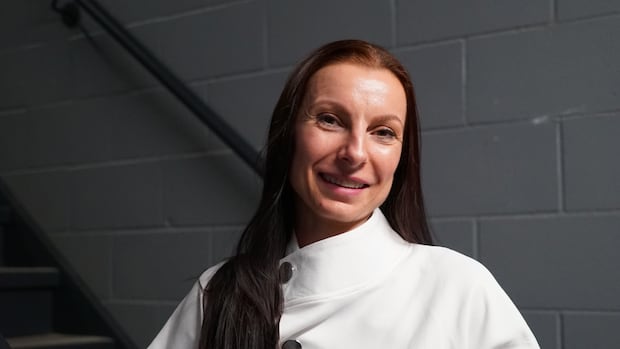
A licensed psychotherapist based in Guelph has started a petition urging the province to include long-term supportive psychotherapy in the Ontario Health Insurance Plan (OHIP).
Marinela Trickett, who also serves as the clinical director at Trickett Psychotherapy, mentioned that her clinic gets daily inquiries from individuals struggling to find long-term support.
“Currently, more people than not wait to reach a crisis point in terms of getting their mental health taken care of, in terms of reaching some support, and when that happens, they generally go to hospitals, to emergency rooms, and they do not get their needs met there,” Trickett told CBC Kitchener-Waterloo’s The Morning Edition host Craig Norris.
Psychotherapy is only covered by OHIP if it’s provided by a medical doctor or psychiatrist who is also a medical doctor.
This means private practices with registered psychotherapists aren’t included in this coverage, and some people may lack workplace benefits.
Getting mental health treatment from a psychotherapist can cost over $100 per session out of pocket. Trickett indicated that an average individual session costs between $150 and $180.
With assistance from Guelph MPP Mike Schreiner, leader of Ontario’s Green Party, Trickett plans to take a petition to Queen’s Park in November requesting that the province:
Recognize psychotherapy and evidence-based mental health services as medically necessary. Expand publicly insured coverage to psychotherapy delivered by qualified regulated professionals. Establish a Provincial Mental Health Coverage Framework for equitable access.
The target is to collect 5,000 signatures.
Ontario Highlights Free Therapy Initiative
reached out to Ontario’s minister of health regarding why private practice psychotherapy isn’t funded through OHIP. A spokesperson stated they’ve introduced the Ontario Structured Psychotherapy program (OSP), which provides free cognitive behavioural therapy for individuals aged 18 and older.
“Additionally, through the Roadmap to Wellness, we are investing $3.8 billion over 10 years to build a modern, world-class mental health and addictions system in every corner of the province,” the spokesperson said.
The funding supports 32 new Youth Wellness Hubs across Ontario aimed at youth aged 12 to 25 and expands both the Mobile Crisis Response Team and Rapid Access Addiction Medicine clinics.
Trickett pointed out that the OSP program only assists those dealing with anxiety and depression at “specific severity” levels and limits how many sessions can be provided.
“Well, in Ontario, we are over 16 million people and not every single struggle has to do with anxiety and depression.”
According to a report from the Canadian Institute for Health Information (CIHI), in 2024 about 41 percent of adults in Canada diagnosed with mental health conditions had their needs partially or completely unmet.
In Ontario specifically, CIHI found that around 40 percent of males and 35 percent of females had a mental health disorder with an unmet need for care.
Source link