


First Nation chiefs from northwestern Ontario are urging a public inquiry into how the provincial government handled the wildfires in their area, which led to over a dozen evacuations.
During a press conference held by Nishnawbe Aski Nation (NAN) at the Superior Inn Hotel and Conference Centre in Thunder Bay on Tuesday, Chief Wilfred King of Gull Bay First Nation stated, “the lack of communication and evacuation support should horrify all Canadians, and our community was on its own.”
“In the year 2026, how could this happen? More importantly, how do we make sure this never happens again? That’s what an inquiry must answer.”
Currently, there are more than 2,400 wildfire evacuees staying in host communities throughout the province. Both Namaygoosisagagun First Nation and Whitewater Lake First Nation have been completely devastated by wildfires within the last week.
King mentioned that the public inquiry should look into operational decision-making, emergency coordination, communication with First Nations, evacuation planning and execution, resource distribution, and overall readiness of the province.
Chief Wilfred King of Gull Bay First Nation is spearheading calls for a public inquiry into Ontario’s wildfire response along with an overhaul of the province’s emergency management system. (Sarah Law/CBC)
He added that chiefs are also seeking leadership changes within the Ministry of Natural Resources (MNR) – while recognizing the hard work of those on the ground like firefighters and emergency personnel.
“The concern is not with employees who continue to work under extremely difficult conditions but with senior leadership responsible for policy, planning, oversight and decision making,” King said.
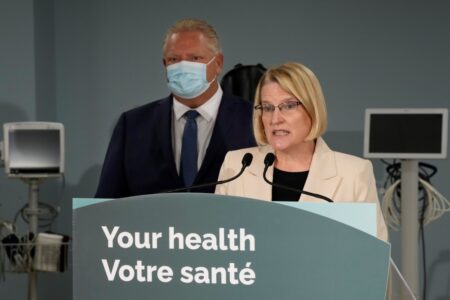
Responding to concerns raised by First Nation leaders on Tuesday, Ontario Premier Doug Ford asserted that “we have constant communication.”
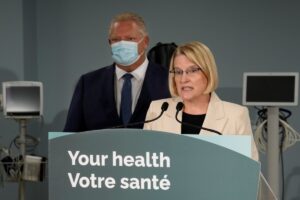
Ontario Premier Doug Ford provides an update on the wildfire situation in northwestern Ontario at a news conference in Toronto on Friday. (Evan Mitsui/CBC)
“Now keep in mind that reserves fall under federal responsibility. Ontario is taking charge here. I want to emphasize: when it comes to reserves, it’s up to the feds to care for First Nations; however we’re stepping up,” Ford stated before attending a summer meeting for provincial and territorial leaders in Charlottetown.
“We’re doing everything we can. We’ve got 155 fire crews out there along with nearly 8,900 wildland firefighters deployed. It’s well organized here in Thunder Bay.”
King noted that while there’s also federal responsibility involved, “we won’t accept any jurisdictional disputes.”
Nishnawbe Aski Nation Grand Chief Alvin Fiddler mentions that increasingly severe wildfire seasons reflect insufficient government action regarding climate change. (Sarah Law/CBC)
NAN Grand Chief Alvin Fiddler concurred but also pointed out both governments’ focus on resource extraction at Ring of Fire saying: “In their rush to take our resources from our territories, both Ontario and Canada are overlooking immediate threats facing our communities due to climate change.”
Fiddler stressed that worsening storms tied to climate change are intensifying wildfire seasons leading to regular evacuations for Indigenous peoples.
“Climate change is real; all you need to do is step outside and smell the air,” he said.
The is looking for further comments from both provincial and federal governments following Tuesday’s press conference.
WATCH | First Nations flee fires in northern Ontario: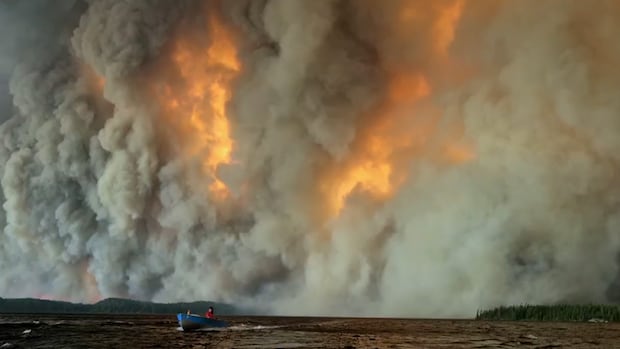
First Nations leaders call for public inquiry into Ontario wildfire management
A group of First Nations leaders are advocating for a public inquiry regarding how Ontario managed this year’s wildfires after people were forced out of remote areas due to being cut off from essential supplies such as water, fuel and food.
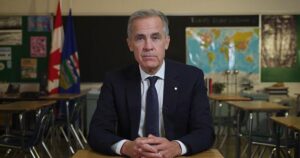
Prime Minister Mark Carney mentioned he met with federal workers in Ottawa on Sunday who are assisting with wildfire response efforts across northwestern Ontario as well as nationwide.
“This is one of Canada’s most intense wildfire seasons caused by extreme heat waves alongside record-breaking dry conditions,” Carney posted on Facebook.
“Canada has mobilized over 5,000 firefighters plus nearly 300 water bombers along with helicopters and evacuation aircraft aimed at containing these fires.” p >
‘We have people here that just want to go home’
Chief Lawrence Wanakamik from Whitesand First Nation expressed his people’s fear about what has happened back home. The community had been ordered to evacuate July 13; members currently reside in Thunder Bay.
“We have people here that just want to go home – they’re not used living in cities. They long for their land despite everything that’s left after all these fires,” he shared.
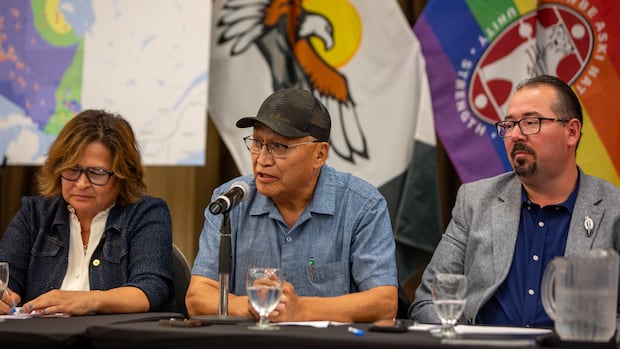
Chief Lawrence Wanakamik from Whitesand First Nation discusses challenges faced by his community amid ongoing wildfire evacuations while Chief Michele Solomon from Fort William First Nation stands beside him. (Sarah Law/CBC)
More than 940 evacuees from Eabametoong First Nation-also referred to as Fort Hope-have been flown via Canadian Armed Forces support down towards Niagara Falls.
Eabametoong’s Chief Solomon Atlookan reported his people waited several days without assistance.
A young girl aged fourteen approached him expressing concerns about government response asking if it felt like “another way of getting rid of Indigenous people.”
“It really struck me hearing this coming from a girl only fourteen years old,” Atlookan remarked.
Ontario NDP Leader Marit Stiles visited Thunder Bay Tuesday emphasizing it’s crucial both levels engage directly with Indigenous leaders.
“From my conversations repeatedly occurring among chiefs or evacuated individuals they suggest there wasn’t adequate preparation nor proper notifications issued beforehand – indicating they requested help,” Stiles noted.
“What worries me most looks back upon what hasn’t occurred.”
Indigenous nations currently under evacuation include:Cat Lake First Nation. Eabameetoong First Nation. Gakijiwanong Anishinaabe Nation (also known as Lac La Croix First Nation). Kiashke Zaaging Anishinaabek (also known as Gull Bay First Nation). Lac des Mille Lacs First Nation. Mishkeegogamang First Nation. Namaygoosisagagun First Nation (also known as Collins First Nation). Neskantanga First Nation. Ojibway Nationof Saugeen. Whitesand First Nation.
The Hope for Wellness Helpline offers immediate emotional support through toll-free calls or online chats available round-the-clock covering English & French plus requests made can include Cree, Ojibway&Inuktitut too!
Source link