




The City of St. Catharines is reviving a key part of its history, and locals are excited to explore the past that played a role in shaping the city and southern Ontario.
In the 1800s, settlers in southern Ontario depended on their water-powered mills – they couldn’t just run to the store for bread.
Flour had to be milled, and now folks can get an up-close look inside one of those historic mills.
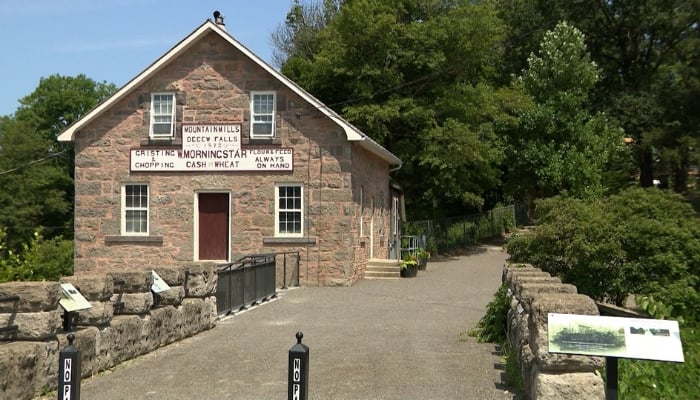
Located by Beaverdams Creek in St. Catharines, a group of mills and other structures contributed significantly to the development of today’s city.
“This is the beginnings of the settlement area here in St. Catharines,” said St. Catharines Mayor Mat Siscoe. “If you didn’t have a grist mill to make flour that people could use to bake, you had some issues. You probably wouldn’t have seen the population explosion this area saw. In reality, this site is foundational to St. Catharines becoming the city it is today.”
: Ontario to spend nearly $10M on Niagara District Airport expansion
A mill has existed on this site since shortly after the War of 1812. By the 1900s, it included a grist mill, a sawmill, and other enterprises.
The city teamed up with Friends of Morningstar Mill to finish a $2-million project aimed at restoring the mill, which had been closed for years due to repairs.
Visitors can now see where flour was produced using an 1892 version of milling technology – when white bread became popular.
“This is the modern equipment that is here to grind grain – whatever it is, whichever kind of grain it is essentially,” said Kathleen Powell, the St. Catharines Historical Services Curator.
Along with older technology used for whole wheat flour production, all operations were powered by water through a shaft leading down where enough speed was gained to drive a turbine below.
: Niagara-bound Burlington Skyway faces partial weekend closures
“The mill is great,” said Powell. “Like coming in to see the mill itself and all of the equipment and how it works is pretty great because there are not a lot of mills left in especially Niagara.”
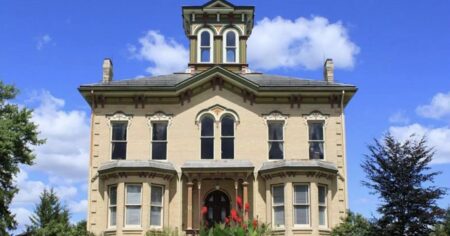
The location also features the home where the Morningstar family resided; life back then may have felt quite simple yet fulfilling.
“It was a lot of work – everything was a lot of work, but also the Moringstars’ letters and cards and diaries talk about many fun things they did – outings like making ice cream or just enjoying exploring around the old mill,” said Powell. “So that’s an interesting story about simply enjoying life and appreciating their surroundings.”
A century later, people still love wandering around this historic mill.
With its restoration complete, Morningstar Mill welcomes visitors four days each week: Tuesday, Thursday, Saturday and Sunday at 10 a. m.
: Niagara police charge Lincoln man in $17K building material thefts
Source link