



Ontario Construction News staff writer
The Ontario government has put forward a new law aimed at increasing provincial oversight over regional governments while also reducing the number of council members in Simcoe County and Niagara Region.
The proposed Better Regional Governance Act, 2026 would enable the Minister of Municipal Affairs and Housing to select regional chairs for various municipalities, including Durham, Halton, Muskoka, Niagara, Peel, Waterloo, and York, along with the warden of Simcoe County. These chairs would receive “strong mayor” powers designed to expedite decisions related to provincial goals like housing and infrastructure.
This legislation will also decrease the size of regional councils in both Simcoe and Niagara. The province argues that this will lower costs and enhance decision-making efficiency.
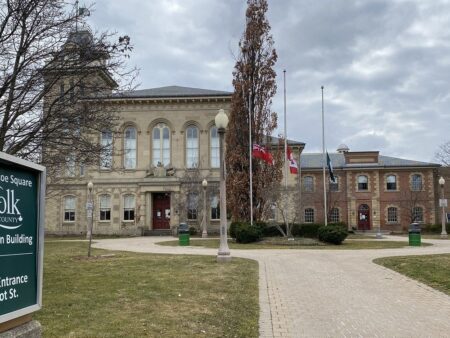
In Simcoe County, the council would be cut from 32 members down to 17. This new council would consist of the mayors from each of the county’s 16 lower-tier municipalities plus the warden. Meanwhile, Niagara Regional Council would shrink from 32 members to just 13-12 local mayors along with the regional chair.
Discussions about municipal restructuring have been ongoing in Simcoe over recent years. An earlier attempt by county council to reduce its membership did not succeed due to a tie vote among lower-tier municipalities, despite having backing from areas representing a majority of the county’s population.
The bill also grants authority for establishing weighted voting rules for upper-tier councils after the municipal election in 2026.
Officials in Ontario state that these changes aim to better align local governance with provincial objectives while speeding up housing development. The legislation arrives as the province pushes municipalities toward achieving ambitious housing targets.
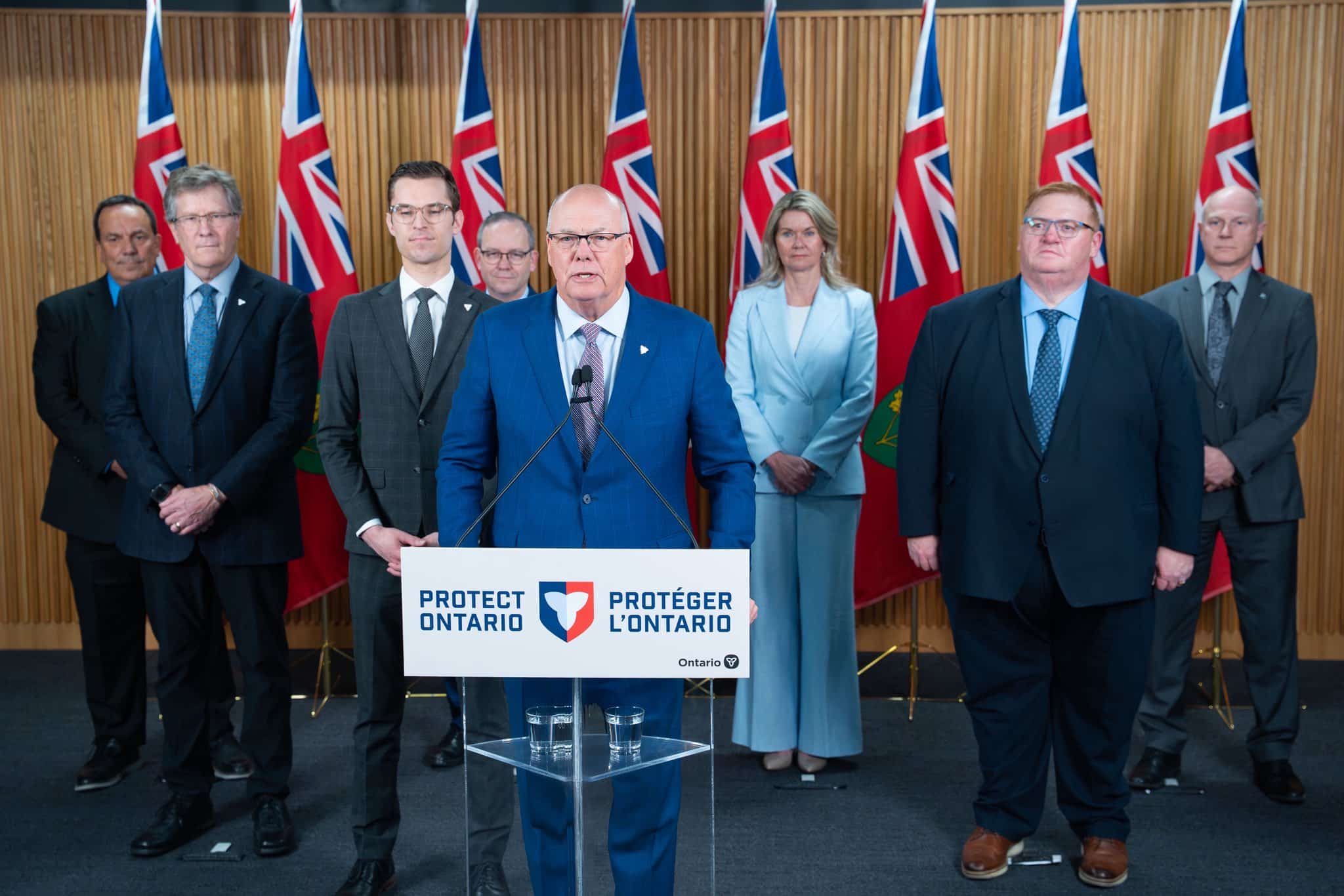
Government representatives like Graydon Smith and Andrea Khanjin believe these proposed adjustments will assist municipalities in managing growth more effectively and lessen delays caused by existing governance structures.
Industry organizations such as the Niagara Home Builders’ Association expressed support for governance reforms that could expedite approvals for housing and infrastructure projects.
On the other hand, critics argue that this legislation centralizes more power at the provincial level and hands it over to appointed regional chairs-a shift that might raise concerns among local leaders worried about their autonomy.
All regions will need to reassess their council composition following the municipal elections in 2026; however, Niagara will be exempt from this requirement until after elections in 2034.
The bill has been introduced but is still pending approval.
Source link