



This First Person is written by Kelley Korbin, who lives in West Vancouver, B. C. For more information about CBC’s First Person stories, please see the FAQ.
I’d been worried about my father’s death for years – probably since I first learned that smoking can be deadly. But no amount of worrying prepared me for the heavy heartache that hit me like a ton of bricks when he passed away from lung cancer at 82 last year.
I couldn’t have predicted how his choice to die would become part of his story. Nor did I expect that Mom’s reluctance would keep me from telling everyone that he had medical assistance in dying. I wanted his obituary to encourage readers to embrace life fully and love deeply. I aimed to capture his life – with all its quirks and complexities – in an honest tribute that would reveal his true essence if you read between the lines.
For instance, I mentioned how he entertained us with stories we never grew tired of, that small talk wasn’t really his thing, and how he was most at ease while traveling. To clarify: Dad always started his (albeit amusing) tales with, “Stop me if you’ve heard this,” and then dove right into them without pausing for interruptions; he didn’t tolerate foolishness and could be quite set in his ways unless there was a margarita involved on a tropical beach.
One thing I definitely didn’t want to gloss over was how he died.
I’m hesitant to use the word transformative, but it’s the best way I can describe what we went through. Medical assistance in dying spared Dad many hardships, and knowing exactly when he’d pass allowed us as a family to say everything we needed to say while sending him off wrapped in all the love he deserved.
As I watched Dad take his final peaceful breath (and yes, it truly was), I felt so thankful for living in a country where my father could choose not to endure a long decline. I wanted everyone else to know about it too.
WATCH | Canada delays expansion to MAID for those suffering solely from mental illnesses: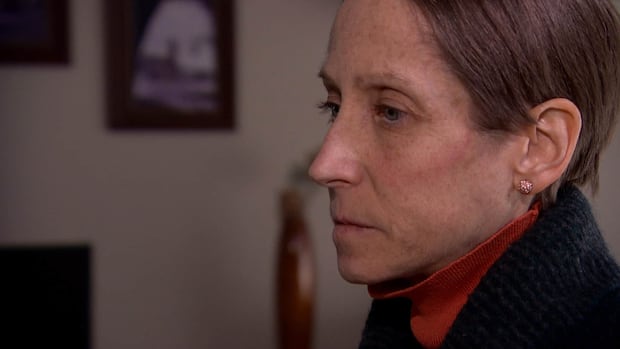
What another delay means for people waiting for MAID
The federal government wants another pause in allowing medical assistance in dying (MAID) requests from those suffering solely from mental illnesses. CBC’s Christine Birak breaks down the division among doctors and what it means for patients who have waited years for a decision.
So, I asked Mom.
“Can I write that Dad had MAID in the obituary?”
“I’d rather you didn’t.”
I’m not usually one to back down easily. But this was my mother – just one day after losing her husband of 60 years. Plus, obituaries aren’t cheap, and she was footing the bill.
“Okay, no problem,” I said as I searched for some subtle way to hint at assisted dying within the obit. His passing wasn’t “sudden,” “unexpected,” or “tragic,” leaving me uncertain about how best to phrase things.
In the end, I decided on honesty: Dad died surrounded by family as the sun set.
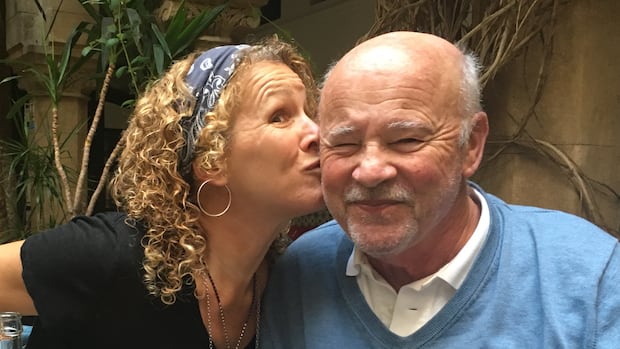
Korbin’s parents, David and Judi, were married for 60 years. (Kelley Korbin)
For an entire year after that moment, I’ve carried around regret over what felt like an omission of truth. Then on the first anniversary of his death, Mom told me, “It’s taken me some time but now I’ve realized your dad traded a few months of his life so we could have a beautiful death.”
She was absolutely right.
Dad had always shared generously with material things; however, making such an intentional choice regarding his death might’ve been his greatest gift yet. Witnessing him navigate this tough decision with grace has been one of the bravest experiences of my life. We’ve always been close as a family but none of us – not even Dad – could’ve anticipated how sharing this experience would strengthen our bond further than before. Even now-one year later-I feel there’s greater intimacy among those left behind because of him.
Indeed beautiful.
I took my mom’s opening as an opportunity dig deeper into her thoughts on it all.’
“Why didn’t you want me mentioning MAID in the obituary? Were you worried about what people might think?”
“Me? Stigma? Not at all,” she replied firmly; “I just didn’t think it mattered.” P >
And then she added “But now? Go ahead! Tell everyone about your father’s big beautiful assisted death.” P >
Do you have compelling personal story worth sharing? We’d love hearing from you! Here’s more info on pitching your ideas.
Source link