



A neighborhood in Toronto is named after a past resident of Mississauga who played a role in creating one of Ontario’s oldest log cabins.
As the City of Mississauga commemorates the 200th anniversary of Leslie Log House this weekend, it’s worth mentioning its ties to Toronto’s Leslieville neighborhood.
Constructed in 1826, Leslie Log House stands as one of the oldest surviving log homes in Ontario and holds the status of a heritage property. The house is currently situated at 4415 Mississauga Rd. in Streetsville but was originally built just north of Derry Road in Meadowvale. It was relocated to its present site in 1994.
The early settlers from Mississauga, John Leslie Sr., his wife, Esther Beattie Leslie, and their children built and resided in the home after arriving from Scotland to Upper Canada.
The log cabin was constructed on the southern half of a 200-acre plot that the family rented from King’s College. They later bought the land, which stayed with them for a century.
One son from the Leslie family, George Leslie, inspired the name for the east Toronto area known as Leslieville, according to Joanne Doucette’s book titled Leslieville, released in 2016.
The Leslies arrived in Canada by ship in 1825, landing in Quebec around mid-May that year, as noted by Doucette. At that time George was only 21 years old and already recognized as a “brilliant horticulturalist.”
Initially, John Leslie made his way alone to their property in what used to be Toronto Township; now it’s part of Mississauga.
George and another brother, Robert Leslie, remained behind in Quebec to find work that would support their family. When they joined their family about a year later in Meadowvale, they helped construct the log house as per Doucette’s account.
George and Robert didn’t stick around long; after spending one winter there, they headed to Toronto where they established a grain and grocery store.
Eventually, George became an influential figure within Toronto-he helped start up provincial exhibitions and served as both school trustee and Alderman. He initiated a large nursery that transformed into an informal public park stretching from just north of Queen Street down to Ashbridges Bay. By the mid-1860s, city directories began listing “Leslieville,” likely due to George Leslie’s influence according to Doucette.
Robert Leslie was skilled at construction and is recognized for buildings such as William Barber House, Oliver Hammond House and Benares according to Canada’s Historic Places.
The celebration marking two centuries for Leslie Log House is set for this Saturday. Over its long history spanning 200 years, ownership has changed hands multiple times. In 1994 it was moved since Meadowvale had become primarily industrialized.
This one-and-a-half story cedar log house underwent renovations between circa 1850 and 1860 giving it more Neo-Classical features like a wide central door framed by sidelights along with an entablature above it per Canada’s Historic Places’ description. Despite various modifications over time, much of its original structure has been preserved.
Leslie Log House is shown here in this file photo from INsauga. com taken in 2016. Photo: Wil Yeung
“The building is a rare example of early 19th century log construction,” states the City of Mississauga.
In partnership with Streetsville Historical Society, this house offers visitors insights into life during early Upper Canada while serving as an essential reminder about Mississauga’s agricultural heritage according to city officials.
The festivities on Saturday August 8 will take place from 1 PM until 3 PM free of charge.
For more details check out this post here.
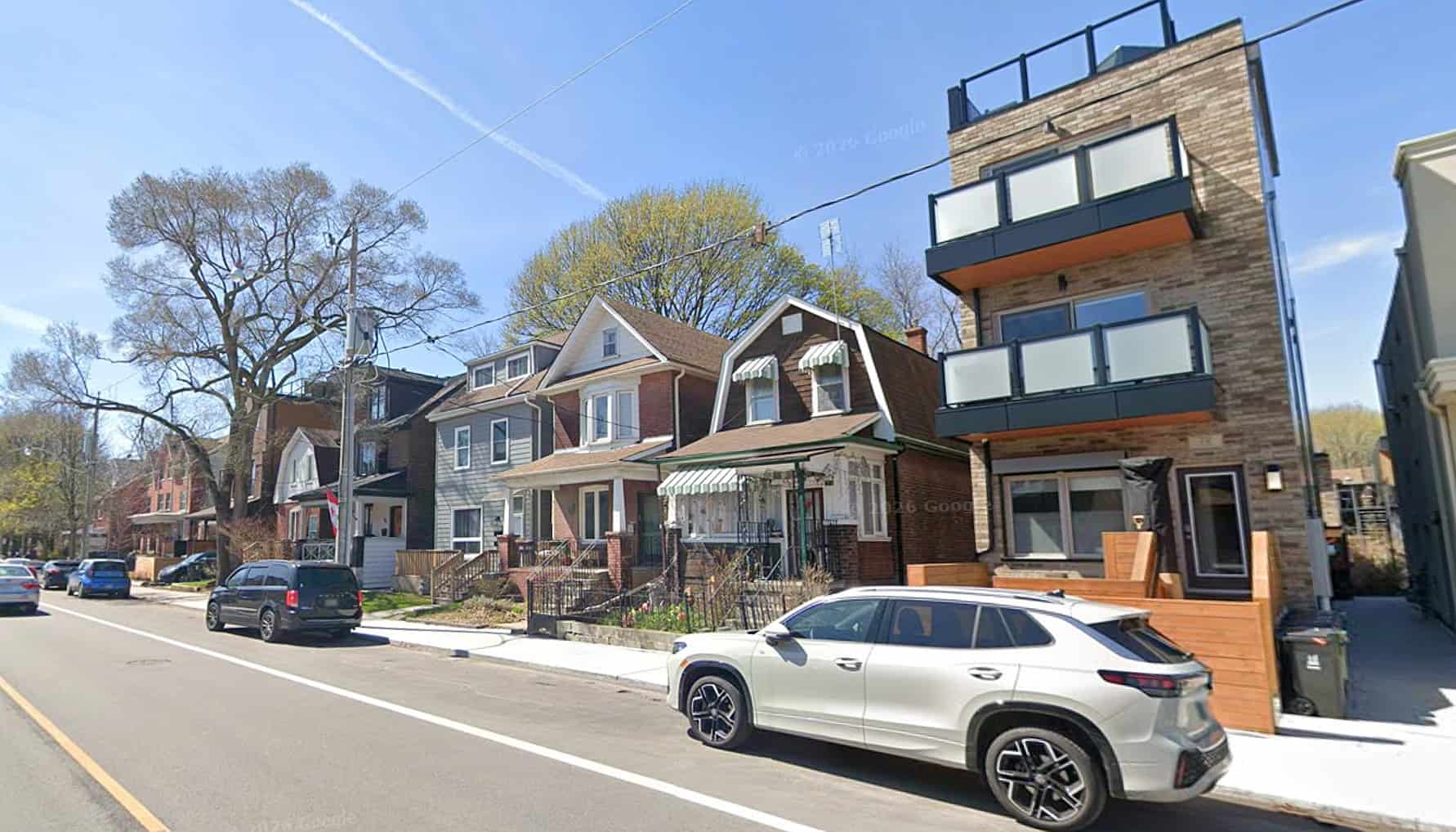
Lead photo featuring Leslieville: Google Maps
INsauga’s Editorial Standards and Policies
Last 30 Days: 48,455 Votes
All Time: 1,464,186 Votes
1080 VOTES
Source link