





It might cost more to use electricity in London.
London Hydro is looking to raise electricity rates, and if it’s approved, residents could see an average increase of around $6 a month, according to an official.
Homeowners would experience roughly a four percent rise, while businesses and industries might face about a two percent increase, said David Arnold, the chief financial officer at London Hydro.
The utility pointed to rising operational costs and the need for infrastructure investments to handle growing demand, Arnold explained.
“We understand affordability is a huge issue, it has impacted us. Inflation is higher, we are sensitive to it,” Arnold said.
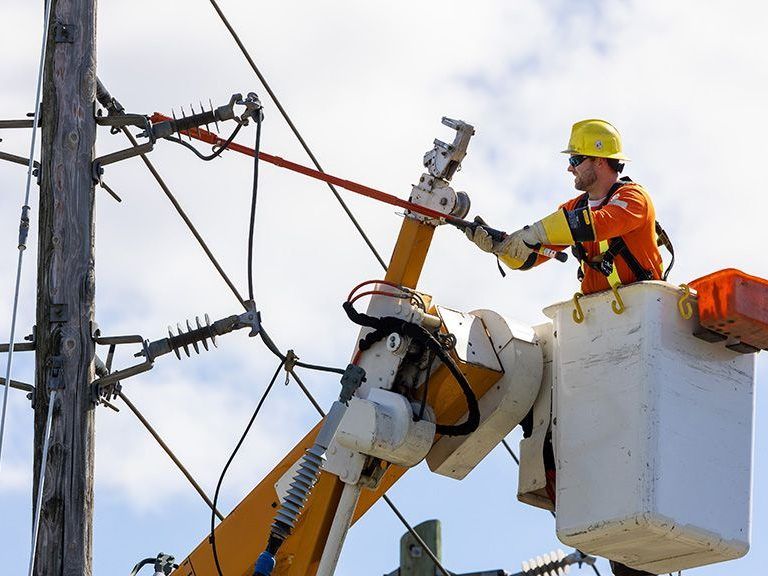
For instance, the price of hydro poles made from Canadian red cedar has more than doubled in recent years, he noted.
“Costs have continued to increase.”
London has faced frequent power outages during storms and equipment failures lately. Investment is crucial to resolve these issues, Arnold mentioned.
There’s also a need for greater investment to keep up with demand. Over the last five years, London Hydro has invested $300 million and plans another $500 million over the next five years.
“It is a significant increase and as a result we can handle the capacity that will be needed, as well as replacing old infrastructure to ensure reliability.”
Editor’s Picks
While this investment may be necessary, an increase will still burden those on fixed incomes who aren’t seeing their benefits or budgets grow every month down to the penny, said Abe Oudshoorn, a poverty and housing advocate in the city.
“It is a real concern. We think of utilities as foundational to housing along with rent. This is not good news,” he stated.
“Folks on fixed income are not getting increases.”
London Hydro and Ontario Works provide programs aimed at assisting those struggling with heating and hydro costs.
In the industrial sector, there’s support for the rate hike because manufacturers want assurance of ample supply and are willing to pay slightly more for it, said Ben Whitney, president of machine shops Armo-Tool and Abuma Manufacturing.
“Not investing would be a bigger concern; electricity demand is going through the roof,” he remarked.
“It is foolish to think demand will not grow. We have to do something.”
Electric vehicles, plug-in hybrids, heat pumps, electric transit systems-these factors are all contributing additional demand on the utility. The Power Co plant in St. Thomas has been delayed in opening but will boost demand further while attracting other supplier industries into the region; therefore capacity must be ready when needed,” Arnold added.
The industry anticipates a 65 percent rise in demand by 2050 as well!
“We want to be ready when customers want to come; we have to have the capacity to welcome them.”
The utility has submitted a Cost of Service application with the Ontario Energy Board regarding rates for 2027 that includes plans for maintaining and investing in electrical systems through 2031.
If approved as proposed, an average residential customer using 750 k Wh monthly would see about $6.01 added onto their total monthly bill starting May 1st , 2027.
London Hydro’s suggested rates require review and approval from Ontario’s independent energy regulator-the Ontario Energy Board.
London Hydro serves around 170 ,000 customers.
Source link