



Estimated 6 minutes
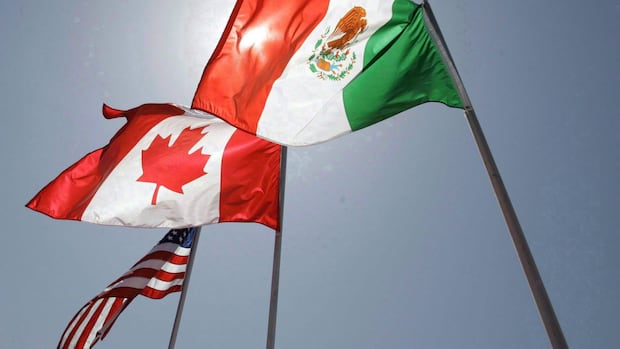
Canadian government officials will meet with their U. S. and Mexican counterparts on Wednesday to discuss the future of their trade agreement.
July 1 holds significance for the Canada-United States-Mexico Agreement (CUSMA), which protects nearly 90 percent of Canadian exports from U. S. President Donald Trump’s tariffs.
This date serves as the deadline outlined in the agreement for each country to indicate whether they wish to extend it for an additional 16 years beyond its expiration in 2036.
Here’s a breakdown of what this July 1 deadline means for CUSMA – and what it doesn’t entail.
What’s happening with CUSMA on July 1?
This date marks six years since CUSMA came into effect, replacing the North American Free Trade Agreement (NAFTA).
July 1, 2026 was designated as the time for a trilateral review of the new agreement.
This review gives countries two choices:
Option A is to choose a 16-year extension, keeping the deal active until 2052. Option B is opting not to extend, which would initiate a new round of negotiations without a clear timeline until an agreement is reached. WATCH | What to expect from the review, per Ontario’s man in Washington: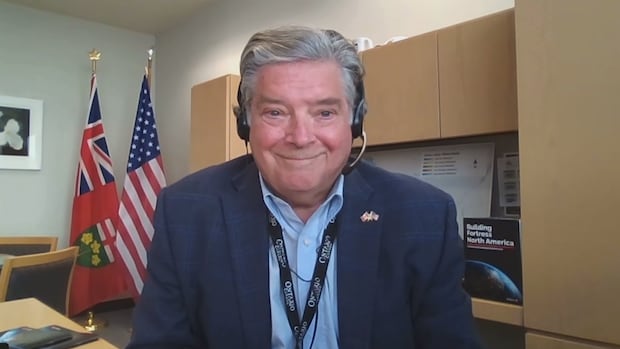
CUSMA review going to ‘extra innings’: Ontario’s trade rep. in D. C.
Officials from Canada, Mexico, and the U. S. will conduct their first trilateral meeting regarding CUSMA on July 1. David Paterson, Ontario’s representative in Washington, joins Power & Politics to talk about why he believes it’s crucial to secure a favorable deal rather than just any deal.
What do Canada and Mexico want?
Both Canada and Mexico have publicly stated that they want CUSMA extended while also being open to discussing potential changes.
What does the U. S. want?
The U. S. hasn’t made an official statement available but has made its stance quite clear. The Trump administration aims to renegotiate several terms of the deal and is unlikely to agree to an extension before using its leverage in talks.
Can CUSMA end on July 1?
If the U. S. formally states it doesn’t want an extension, CUSMA won’t automatically expire.
The agreement remains valid until 2036 unless a country withdraws from it, which requires six months’ official notice.
This means Trump can’t terminate CUSMA on July 1 despite his recent complaints about it; he signed it during his first term and touted it as a “colossal victory” and a “truly extraordinary agreement.”
WATCH | What Mark Carney expects from Wednesday’s meeting: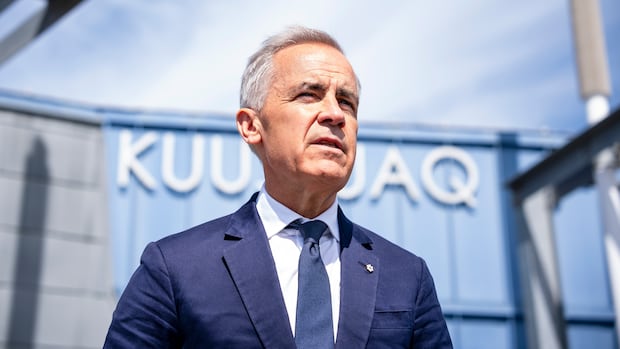
Carney not expecting ‘any drama’ at July 1 CUSMA review meeting
Prime Minister Mark Carney has indicated that he doesn’t expect ‘any drama’ at this initial trilateral meeting set for July 1. ‘We’re expecting a constructive exchange,’ Carney commented regarding discussions between Canadian, American, and Mexican trade representatives.
What happens after July 1?
The negotiations will carry on.
The U. S. and Mexico are scheduled for their third official round of talks during the week of July 20.
Meanwhile, Canada’s negotiators have had new discussions with the U. S., although they seem behind compared to U. S.-Mexico conversations; however, Canadian officials downplay that concern.
“July 1 is “a checkpoint.. not a cliff,” Canada’s chief negotiator Janice Charette said in April.
A spokesperson for Le Blanc informed that Charette along with Canada-U. S. Trade Minister Dominic Le Blanc will take part in Wednesday’s virtual meeting with officials from both nations.
WATCH | What really matters about Trump’s threats against CUSMA: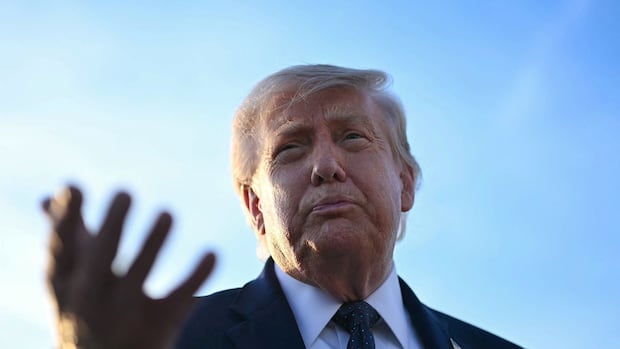
Trump says he only signed CUSMAto get outof NAFTA, mayterminate deal p >U. S. President Donald Trump mentioned he’s not exactly fondof CUSMA , whichhe negotiatedduringhisfirstterm ; however , hestatedthat NAFTAwas’the worsttradeagreementevermade.’ Trumpalso repeatedhisthreatto terminate thedeal , whichisupforreviewon July1.
What arethe key issuesin CUSMAtalks ?
The Trump administrationhaslistednumerous tradeirritantswithboth Canadaand Mexico(though twiceasmanywith Mexicoas Canada , accordingto Le Blanc)butitsmajorobjectivesinrenegotiatingtheagreementcanbereducedtotwo.
Oneaimsatpreventingimportsfromothercountries(especially China)fromgainingtariff-freeaccess tothe U. S. marketthrough C US MA( particularly through Mexico).
The otherfocusesisonthemanufacturingaspect, increasing productionwithin the U. S. ratherthanin Mexicoor Canada. p >
D uringitsnegotiationswith Mexico , therehavebeenreportsindicatingthatthe U. S. hasproposedraisingt heamountof U S -made contentin autoexports. Canadianindustryofficialshaveexpressedthatthereported U S. content proposalsarenothighenough todamage Canada’s autosector. p >
I t’s alsovery likelythatthe U S. willseekgreateraccessto Canada’s dairy market, a pointofcomplaintfromthe Trumpadministration. p >
D espite that , Canada’snumberoneissueistogainrelieffrom Trump’s tariffs-especiallyonthoseonsteel , aluminum , autos, andsoftwoodlumber-seenin Ottawaas violatingthespiritofthefree-tradeagreement. p >
N evertheless, the U S. hascommunicatedto Canadathatitmustacceptsomeleveloftariffsandhaspubliclysignaledanunwillingnessto include tariffreductioninthetalksabout CUS MA , althoughwhatmaybesaidbehindcloseddoorscouldbedifferent. P >
When coulda CUS M A dealbe reached? h2 >
Thinkaboutwhat Carneysaidlastweek:’W hat I’veseenwiththepresidentisthatyou’renotclosetomakingadealandthenyoumakeadeal.’
A schoolofthoughtsuggeststhatitwouldbe politicallyadvantageousforthe Trumpadministrationtogeta dealby Labour Daysoitcansellitasabigwinandgive Republicansachance tocarrythisimprovedagreementintothecampaign trail.
T hereisbroadbusiness, political, andpublicsupportfor CUS MA inthe U S., whereit’sknownas USMCA.
A d vocatesforrenewingthistradeagreement-includingthestrongagriculturallobby-argueanyseriousthreattotheagreementriskscreatingbusinessuncertainty, harming theeconomy, andpotentiallyraisingconsumercosts. Allof these scenarios posepoliticalrisksforthe Republicanstaat atimewhenthey’reat riskoflosing Congresscontrol.
A contrastingviewpointholds that Trumpadministrationmightnotseepoliticalbenefitinreachingadealbeforethem idterms, instead preferringtodelaytalkstohopesofarcing Canadaand Mexicointosigninganequity tilted moretowardthe United States.
C anada’sformerchieftradene GOTIATOR Steve Verheu lsaid Mondaythatwhile hesee possibilitiesforbothoutcomes, it’smorelikelydiscussionswillextend’beyondthem idtermspossiblyinto next year.’
Source link