




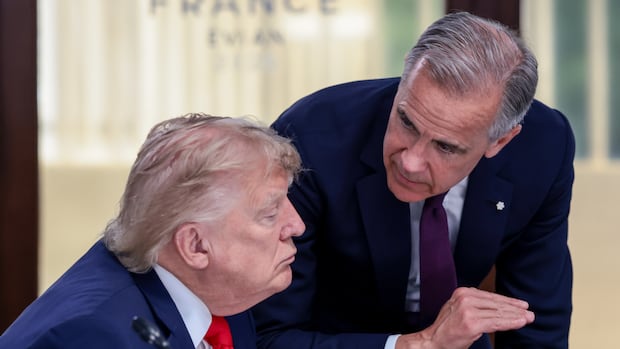
Prime Minister Mark Carney mentioned he had a “good conversation” with U. S. President Donald Trump regarding the future of Canada-U. S. trade, adding that their discussion “builds on our recent constructive discussions” concerning a potential trade deal.
“Our teams will now be working in the coming weeks to deliver that outcome,” Carney shared on social media Sunday morning.
A senior source told that formal negotiations are about to restart, with autos expected to be a major issue, similar to last time in August before talks broke down. The breakdown led both nations to impose heavy tariffs on each other.
The prime minister’s remarks on social media follow days after he informed reporters that Canada isn’t ready to agree on a U. S. trade deal and that Ottawa is seeking the right agreement for Canadians.
“We believe there are deals that serve Canada’s best interests first and foremost, but also benefit the United States. That’s always been our stance. We’ve been consistent,” Carney said on Wednesday.
WATCH | Canada not in a ‘position right now’ to agree to a U. S. trade deal, says Carney: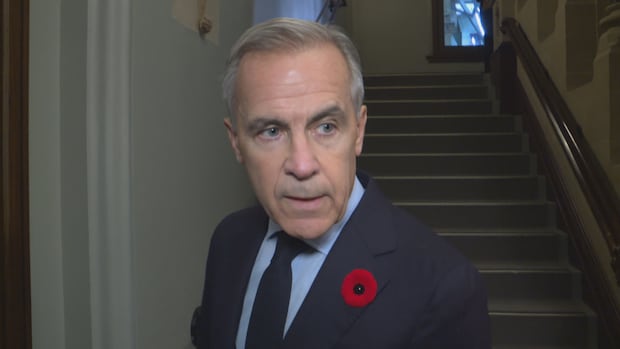
Canada’s not in a ‘position right now’ to agree to a U. S. trade deal: Carney
When asked about the chances of reaching a trade agreement ahead of the U. S. midterms, Prime Minister Mark Carney stated Canada “will only entertain” an agreement beneficial for Canadians.
In the final weeks leading up to the U. S. midterm elections, Trump and other senior American officials suggested some progress was being made. However, sources informed last month that Canadian government officials have been telling industry groups that an agreement was unlikely before Tuesday’s vote.
Sources also indicated to that while trade talks have intensified recently, it doesn’t mean an agreement is around the corner.
A source familiar with these discussions told Radio-Canada that “key elements” still remain unresolved and stated, “We are not on the verge of an agreement just yet.”
Trump’s trade conflict with Canada has played a significant role in U. S. midterm conversations, as Democrats highlight his tariffs while making broader arguments about how they affect Americans’ living costs. Some Republican candidates support those duties while others try distancing themselves from them.
Why talks fell apart last time
After numerous negotiations in August, Canadian and American negotiators ultimately couldn’t reach an accord. Both countries blamed each other for the failure.
In subsequent weeks, Carney expressed one primary reason for walking away: Washington insisted on terms that would “destroy” crucial Canadian industries like auto manufacturing and steel and aluminum sectors.
U. S. Commerce Secretary Howard Lutnick claimed Canadian negotiators only raised tariff relief for medium- and heavy-duty trucks at the last minute – further suggesting they did this intentionally to sabotage negotiations.
WATCH | Canada’s chief U. S. trade negotiator on auto discussions (from August):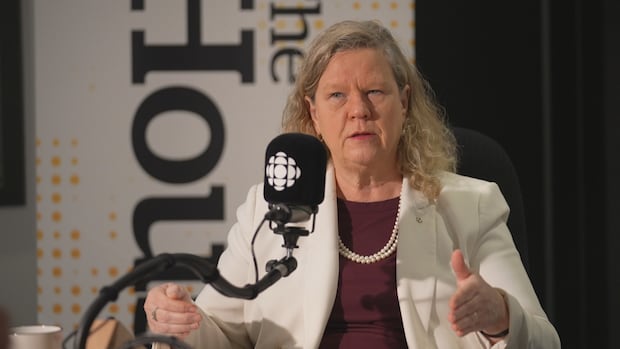
Charette says Canada consistently raised auto industry in U. S. trade negotiations
Speaking with CBC’s Catherine Cullen on Friday, Canada’s chief trade negotiator Janice Charette responded to Lutnick’s assertions by saying while it’s true they mentioned it at the final Friday of talks, they “also raised them on Monday, Tuesday, Wednesday and Thursday.”