





Here’s something about Canada that many people don’t know: Canada stands as a major player in at least one significant global industry.
That industry is mining.
Around half of the world’s mining companies are based in Canada, and numerous firms operate in nations where local environmental regulations and social protections are lacking.
From Papua New Guinea to Namibia to Guatemala, Canadian-based businesses have largely been able to pollute the air, soil, and water without facing consequences.
They have also profited from severe human rights violations, which can sometimes escalate to murder.
In response to concerns regarding not just mining companies but also Canadian oil and gas and garment industries’ operations abroad, Justin Trudeau’s Liberal government established the office of the Canadian Ombudsperson for Responsible Enterprise (CORE) in 2019.
Limited authority with no real power
CORE had a narrow mandate.
It couldn’t force companies to provide transparent information, nor could it compel employees or executives of these corporations to testify.
Additionally, it lacked the ability to impose any meaningful sanctions, whether financial or otherwise.
All CORE was capable of doing was advising Canadian firms on best practices based on guidelines created by the UN and the Organisation for Economic Co-operation and Development (OECD).
The sole significant power within CORE’s scope was offering a “dispute resolution and compliance mechanism” to address complaints and review possible human rights abuses.
After such reviews, CORE could suggest actions that the responsible federal minister might take.
Those measures could include vague “trade measures” or cutting off problematic companies from “funding and services provided by the Canadian government.”
The entire CORE initiative was minuscule compared to the vast challenges it faced along with the massive resources many corporations had at their disposal.
Originally, CORE operated on a budget slightly above $2 million primarily used for a small staff of ten individuals.
That initial funding later increased to $4.3 million-still an insignificant amount given CORE’s extensive responsibilities.
CORE represented a tiny David confronting multiple colossal Goliaths.
One single Canadian firm, Barrick Gold, reported nearly $17 billion in global profits for 2025 alone; compared to that sum, CORE’s funding looks like mere pocket change.
Moreover, from day one, CORE’s powers were defined by the government in ways that presented challenges for communities affected by corporate actions.
The Order-in-Council establishing CORE allowed both Canadian mining companies and others a way to push back against local communities and non-governmental organizations (NGOs). p>
Multi-billion-dollar corporations received equal standing in filing complaints against local activists as those activists did when seeking mediation over corporate misconduct. p >
This provision instilled fear among NGOs and local victims dealing with corporate wrongdoing. p >
In 2019 Amnesty International expressed what many felt about hopes raised by creating CORE: p >
“We’re furious. The government has finally hired an ombudsperson to review allegations of human rights violations by Canadian companies in their operations abroad. But the office is merely advisory and has no independence or powers to make violators accountable for their actions. What good is a watchdog without teeth?” p >
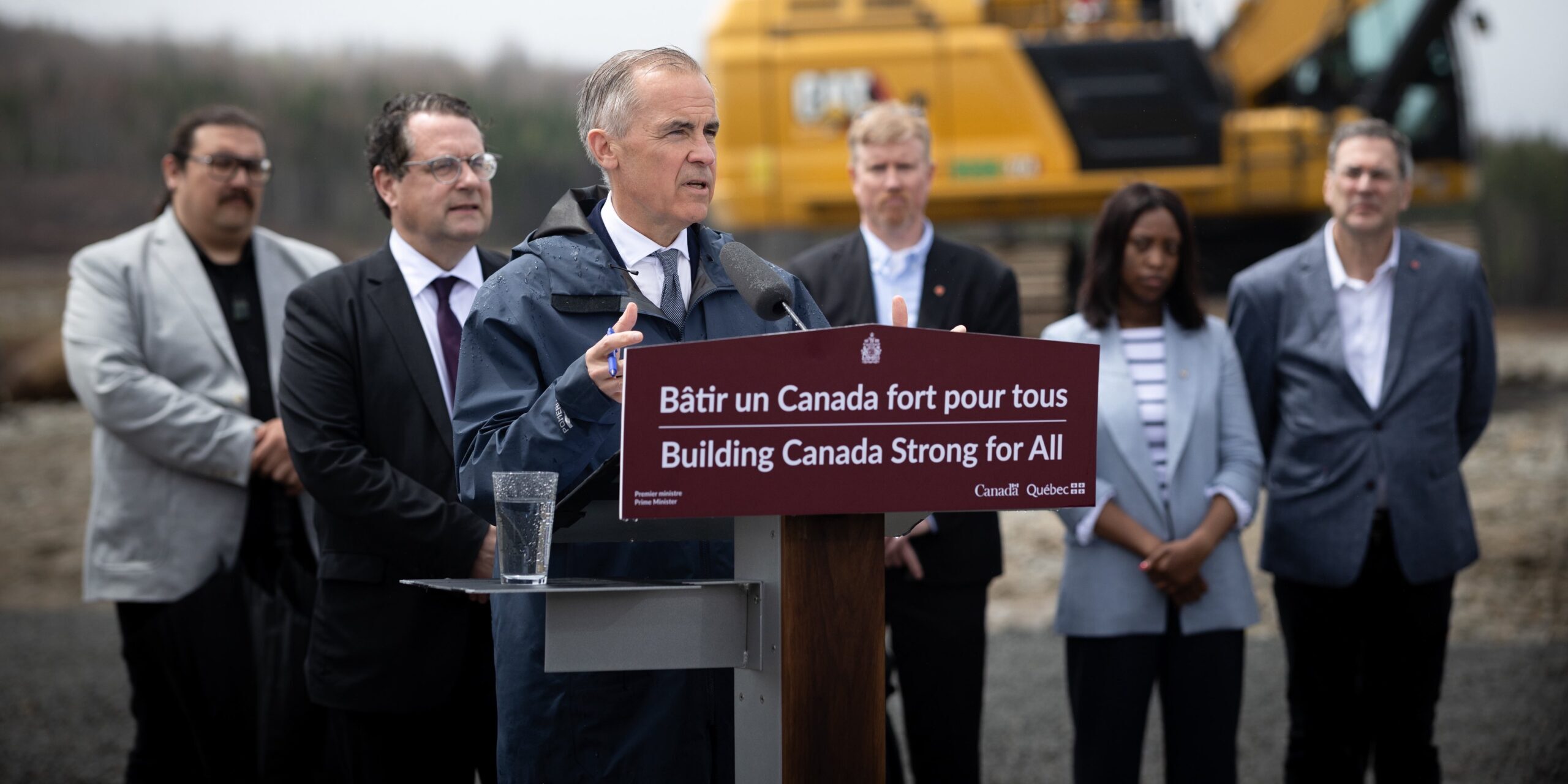
NGOs held out hope that CORE would be beneficial h2 > Even with these criticisms , advocates across Canada , along with those impacted globally who endured pollution or violence linked with Canadian corporations , still hoped this new Ombudsperson could lead change. p > Local community groups alongside NGOs attempted filing complaints with CORE , which gradually accumulated without resolution. p > Then , in 2024 , Sheri Meyerhoffer became CORE’s first leader but soon resigned. She was temporarily replaced by her deputy. Yet since 2025 , there has been no leadership within the Office. p > : Canada ’ s human rights blackbox : Lives suspended at office of Canadian Ombudsperson for Responsible Enterprise p > Until recently , this Liberal government maintained it would appoint a new Ombudsperson shortly. p > However , on June 12th during another announcement , Prime Minister Mark Carney mentioned quite casually that they intended – without much emphasis – to shut down COR E completely. p > He claimed that since the Ombudsperson’s office was “ ineffective ” it fell upon them as a government duty t o eliminate ineffective public entities. p > For those waiting patiently fo r news about appointing someone new for C ORE , Carney ’ s abrupt dismissal about overseeing major operations undertaken b y Canadian businesses abroad felt like quite an insult. p > Carney utilized classic gaslighting tactics here. p >
The current administration along with its predecessor have underfunded C ORE while limiting its abilities ; they even left it without leadership f or over a year now.
The logical reaction from Mark Carney should’ve been increasing C ORE ’ s budget while enhancing its authority rather than eliminating i t altogether.
This reasoning somewhat resembles what someone might say after committing a crime followed by asking for leniency because he became an orphan afterward.
Source link