




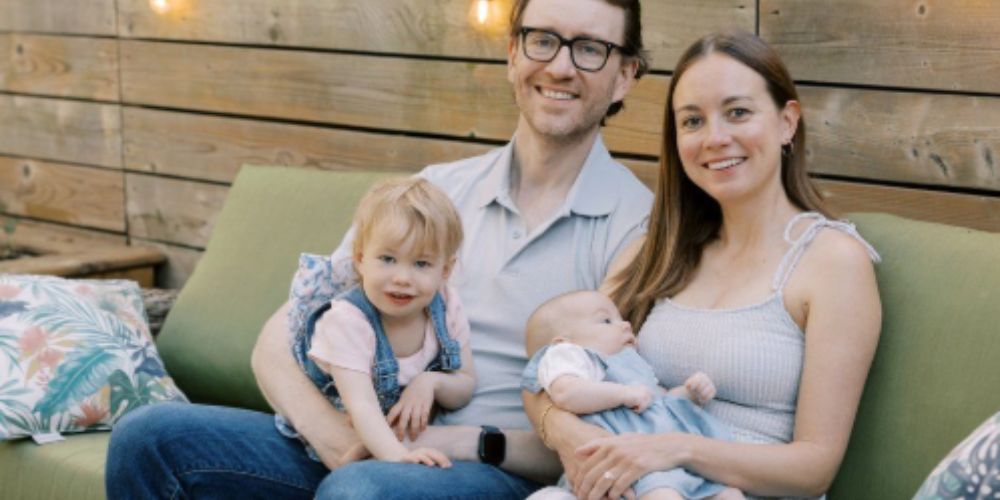
Alex Shved is tackling his Stage 4 cancer on two fronts.
The medication he’s receiving through an early-stage trial seems to be working with his body to fight melanoma that’s spread. At the same time, he’s also battling another tough opponent: the healthcare system.
Shved, 37, has explored multiple treatments since he first noticed a growing mole in 2020 and continues to feel good while working in private equity and raising his two daughters, both under two years old.
“I will do anything and everything it takes to stay in their lives,” he stated in a recent interview. “I have no choice but to keep going.”
🎧 Local news stories that matter most to you
Subscribe on Spotify, Apple Podcasts and wherever you get your podcasts to get notified of new episodes every day.
However, the cancer is advancing, having spread to his bones and lungs. His oncologist mentioned that he would be a suitable candidate for tumor-infiltrating lymphocyte or TIL therapy. This treatment involves removing tumors, extracting immune cells that have infiltrated those tumors, multiplying them by billions and infusing chemotherapy along with these cells back into the patient to combat the cancer.
Currently, this treatment isn’t publicly funded in Ontario but might be available in the future, which is where things get complicated.
A version of TIL therapy known as lifileucel was approved for sale last year by Health Canada and is undergoing reviews for potential funding from provincial drug plans-a process that could take years.
“I don’t have the time to wait because not only may I not be medically fit by the time it gets approved, I might not even be here,” he said.
Shved’s oncologist sought out-of-country funding so Shved could receive TIL therapy at the Moffitt Cancer Center in Florida. He mentioned that it could cost around $1 million. The Ministry of Health turned down this request earlier this spring due to the ongoing funding review process.
“The (Out-Of-Country) Prior Approval Program is not a mechanism to provide interim drug funding for indications currently being reviewed or expected to be reviewed for public funding in Ontario,” read their letter.
The regulation referenced in the rejection states that when it comes to administering a drug, an executive officer appointed under the Ontario Drug Benefit act must recommend it for someone facing similar medical circumstances.
The letter indicates that no recommendation for payment was made by the executive officer without providing any additional explanation apart from mentioning the interim funding period.
Shved found it surprising how brief and standardised a letter detailing such a critical decision was; moreover, he noted that there’s no mention of interim funding periods within regulations governing Ontario’s out-of-country coverage as grounds for denials.
He argues that this reason creates a catch-22 situation-Ontario won’t fund his treatment now because they might consider funding it later when it may already be too late.
Shved has appealed this decision through the Health Services Appeal and Review Board. He’s also filed an application for judicial review of this choice while submitting freedom-of-information requests asking for internal notes and memos related to how this decision was reached. He’s emailed numerous cabinet ministers and other politicians as well.
(To) have the government reject it without even looking at your case feels like a bit of a slap in the face,” he expressed. “Just applying some categorical copy-and-paste legal statement that doesn’t exist within policy seems unfair.”
“What makes it worse is when you try reaching out asking them just explain how this decision came about-you hear nothing.”
After his story appeared recently in The Globe and Mail, Health Minister Sylvia Jones called Shved. He urged her towards making quick regulatory amendments regarding out-of-country funding programs while pointing out that TIL therapy is offered at much lower prices in Israel and Turkey compared with those in America. The minister explained she couldn’t interfere with individual cases but would discuss matters with her team, according to Shved.
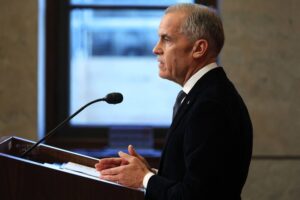
Ontario Health Minister Sylvia Jones speaks at a press conference at Queen’s Park in Toronto on Monday Oct. 20 2025 THE CANADIAN PRESS/Laura Proctor
The Ministry of Health stated provinces involved with pan-Canadian Pharmaceutical Alliance do not provide out-of-country funding for drugs until they’ve finished their established review processes regarding pricing.
“Once that process wraps up each participating jurisdiction will independently decide whether or not they’ll publicly fund therapy options available for eligible patients,”wrote spokesperson W. D Lighthall within a statement.
“Consistent with our approach there haven’t been instances where Ontario approved out-of-country funding during national (drug) negotiation processes.”
Neither did either ministry statement nor rejection letters provided explanations behind these decisions.
that province probably doesn’t want pay American rates seeing if treatments end getting covered within Ontario it’s likely way cheaper. “Public payers are considering average American drug prices hitting between two-and-a-half three times higher than Canadian ones,”he said.Dr. Joel Lexchin professor emeritus from York University’s health policy management school specializing pharmaceutical policies believed
(They’re likely thinking about alternative investments possible spending funds across healthcare systems).(“Such decisions aren’t easy especially involving individuals directly”)..Your average wait tends around 730 days from moment one receives approval via health Canada till provinces make financial choices sometimes due agency processes yet often caused companies’ speediness relating submissions).This period can stretch quite lengthy depending upon steps between approvals prior leading provinceally regarding evaluations comparing costs alongside extended quality life duration drugs allow while negotiating finalizing amounts intended with plans.”) While fighting hard remain present amongst family members hoping they’ll eventually approve TIL therapies enabling him travel abroad accessing necessary treatments meanwhile aiming clinical trials prove fruitful battling illness along discovering greater transparency decision-making pertaining bureaucracy surrounding healthcare systems)“(Perhaps others denied outside fundings lack appropriate energy resources needed contend)”shred commented” “.I feel obligated advocate on behalf myself alongside many others.”. This report by The Canadian Press was first July 9th 2026.
Source link