






While the grocery rebates reaching lower-income households this month provide temporary relief for rising prices, Mark Carney’s government will unveil a new plan on Thursday aimed at addressing some of the underlying issues driving up food costs.
When the prime minister announced the Canada Groceries and Essentials Benefit in January, he also mentioned that the government was crafting a national food security strategy to boost domestic food production and enhance access to affordable, nutritious food in the medium and long term.
“A country that can’t feed itself, fuel itself or defend itself has few options,” Carney had stated during his speech at the World Economic Forum in Davos, Switzerland, just days before.
Since then, officials have been working hard to put together a strategy ensuring that a nation as rich in agricultural resources as Canada never faces threats related to food shortages.
However, on an individual household level, food insecurity often stems from being unable to pay for higher grocery prices that have lingered since the COVID-19 pandemic due to various factors this strategy intends to tackle.
One such factor is insufficient competition within Canadian grocery retailing. Justin Trudeau’s government tried to break up monopolistic practices among Canada’s major grocery retailers but ultimately struggled to attract new players who could provide consumers with more choices.
A senior government official informed that Thursday’s plan will feature new investments aimed at making grocery retailing more competitive: fresh funding specifically directed toward supporting independent grocer supply chains.
This year has also seen an increase in funding for the federal Competition Bureau, which aims to closely monitor and enforce competition within food retailing and its supply chains.
The initial announcement back in January allocated $20 million for a local food infrastructure fund designed to help food banks and other organizations connect families in need with nutritious meals.
WATCH | Government rolls out grocery rebate: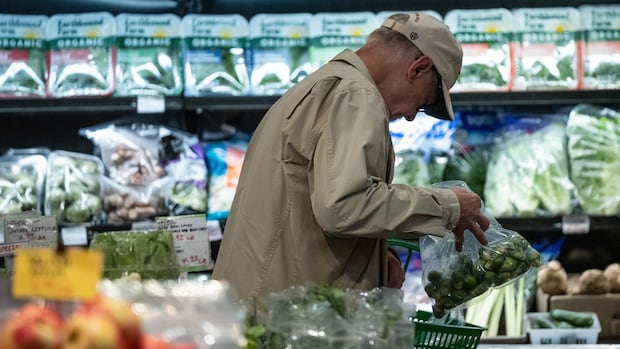
Government rolls out grocery rebate as recession swirls
The federal government has begun implementing a new benefits program for groceries and essentials while dealing with the effects of a technical recession alongside an upcoming review of the Canada-U. S.-Mexico Agreement.
Climate change – which can amplify severe storm damage, wildfires, and droughts – is also affecting Canada’s agricultural output. Thursday’s plan is expected to focus on developing new strategies for mitigation so Canadian farming remains strong against these challenges.
The government has been actively looking into ways of tackling food insecurity in Arctic regions and other isolated communities for quite some time now. Previously announced tax incentives provided encouragement for constructing new greenhouses aimed at allowing year-round fruit and vegetable growth in areas that otherwise depend heavily on imports.
With ongoing tariff disputes from the Trump administration’s aggressive policies and armed conflicts disrupting global food and fertilizer supply chains, another priority of this domestic initiative is ensuring Canadian farmers, processors, and distributors are capable of feeding Canadians first as part of boosting sovereignty.
This past January saw $500 million set aside from its strategic response fund meant to assist businesses experiencing supply chain disruptions so they wouldn’t have to transfer those costs onto consumers. A separate $150-million fund dedicated solely towards compensating small- and medium-sized businesses affected by ongoing tariff conflicts was also initiated.
Even though Thursday’s strategy primarily focuses on bolstering domestic food supplies while improving affordability, the federal government continues its aim of doubling agri-food exports outside North America – striving towards shifting $12 billion worth of food products into emerging markets across Asia, Africa, and the Middle East.
Certain commodities like beef have seen higher export market prices contributing further towards domestic shortages leading up consumer prices at checkout when they’re set on purchasing Canadian products.
Retailers particularly based in Eastern Canada are now sourcing beef all the way from New Zealand and Australia trying their best secure affordable cuts for their customers here.
Agricultural producers have been advocating strongly on Parliament Hill against any trade agreements with South America’s Mercosur bloc fearing it would reduce tariffs enabling more cheaper beef cuts available within Canadian supermarkets.
Source link