



‘Every time I’d see an injured animal I wondered, who is really helping them?’ said local man who is driving force behind Simcoe County Emergency Animal Response
Injured animals throughout Simcoe County now have a better chance at survival thanks to a group of volunteer animal “paramedics.”
Simcoe County Emergency Animal Response (SCEAR) is a fresh volunteer organization acting as a paramedic service for both wild and domestic injured animals. Volunteers from the agency respond to reports of animals in distress and transport them to nearby rehabilitation centres, veterinarians, and animal shelters.
Founder and president Kurt Vondercrone mentioned that although there are rehabilitation centres in the Simcoe County area, there isn’t any pick-up and delivery service for these animals.
“There’s wildlife facilities that can take in animals, but they don’t normally go out to get them.. My vision was to fill that gap to get animals to where they need to be,” he said.
Vondercrone grew up in Simcoe County surrounded by nature, dogs, horses, and wildlife.
“Over the years, every time I’d see an injured animal I wondered who is really helping them?” he said.
Last year, when his own dog got seriously hurt, he quickly took it to the vet for lifesaving care. However, that experience left him thinking about other pets and wild creatures that lack someone willing to help.
When he heard about a livestock rollover on Highway 400 near Barrie with cattle wandering freely last year, it highlighted a service gap since no one seemed sure how to handle the situation.
“If an animal gets hit by a car but there is no one there that is comfortable or qualified to go hands-on with that animal, that animal is left there to suffer. A lot of animal services do not deal with wildlife or they only take them in over certain hours, so there is that big gap,” he said.
Vondercrone started SCEAR in mid-December and has successfully registered it as a non-profit organization. There’s now a three-member board of directors along with five volunteers.
So far, Vondercrone and his team have answered nearly 50 emergency calls using their own vehicles. Some of these animals received critical treatment while others had to be euthanized.
“We’ve seen a high level of distemper cases in raccoons and skunks. It’s non-treatable and a life-threatening illness. Unfortunately, if it’s confirmed, the wildlife get euthanized,” said Vondercrone.
Euthanasia isn’t performed by SCEAR volunteers; instead it’s done by veterinarians when necessary to alleviate suffering in terminal situations.
“We are there so they are not left suffering,” said Vondercrone.
A recent call involved rescuing a deer that had impaled itself trying to jump an iron fence. That deer was ultimately euthanized.
“Deer are the hardest to rehab,” said Vondercrone while explaining how adults instinctively flee even when badly injured. Rehab workers usually find more success with fawns if their mothers were killed by vehicles.
“If a deer gets hit by a car, we will go out and find the fawn and bring it to rehab,” Vondercrone stated.
The volunteers have also responded to several cases involving severe frostbite. One raccoon found out in an open field needed treatment but didn’t survive; however, an opossum with frostbite was treated successfully. A skunk trapped with leg injuries was treated by a vet and made full recovery.
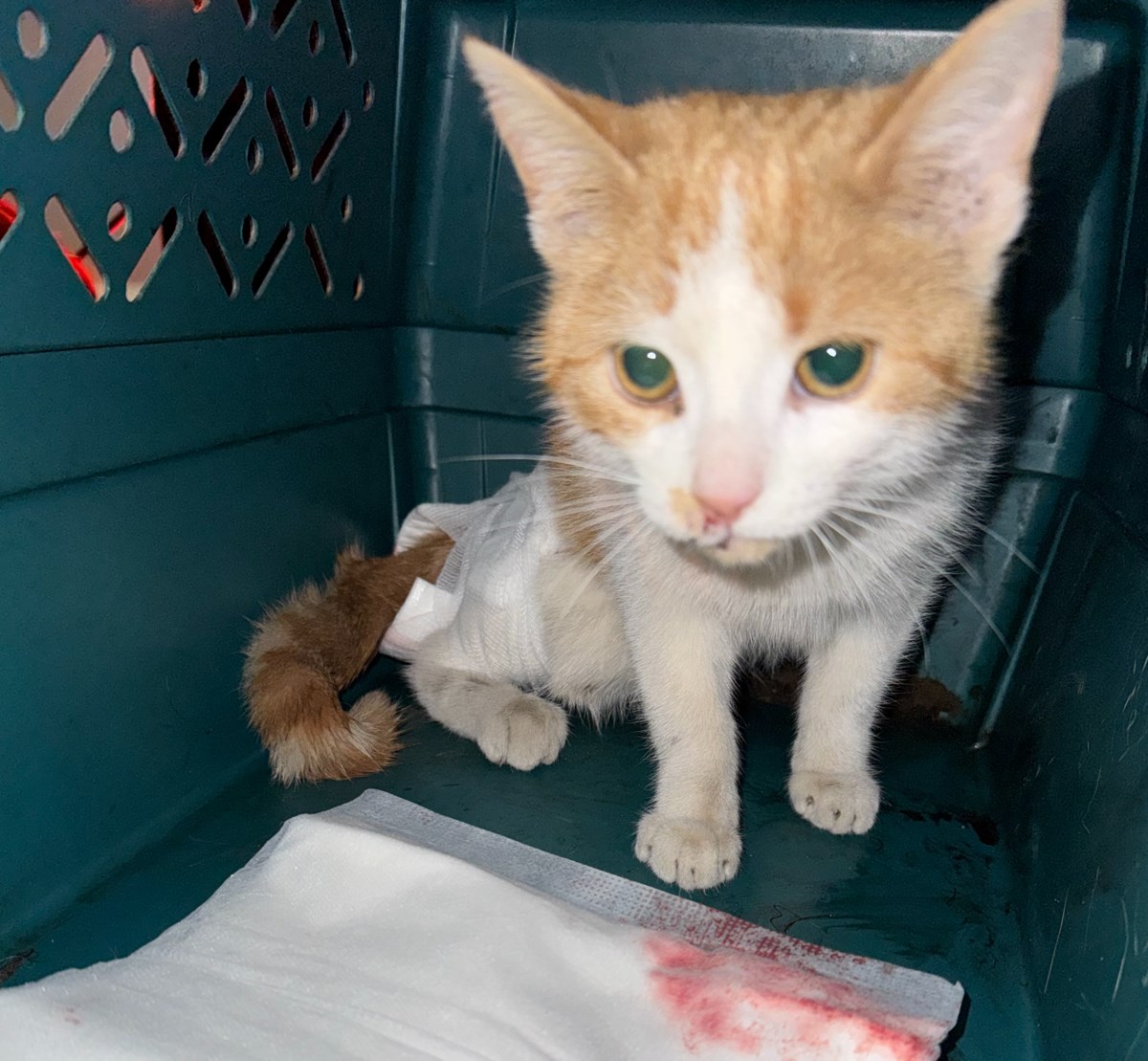
A cat discovered with hind-end damage was taken for veterinary treatment before being sent on to an animal shelter.
Vondercrone noted volunteers will attend calls regarding loose or injured farm animals but won’t respond for dead ones.
This summer, Vondercrone plans on participating in various events aimed at raising awareness as well as funds for this new initiative.
SCEAR collaborates with Procyon Wildlife in Beeton, Shades of Hope Wildlife Refuge in Pefferlaw, and the National Wildlife Centre in Caledon.
SCEAR relies on donations which can be made through their website at scear. ca. Updates are shared via their Facebook page. The emergency phone number is 705-315-0036 extension 1 while non-emergency inquiries can be directed through 705-315-0036 extension 2; email contact can be made at [email protected].
Source link