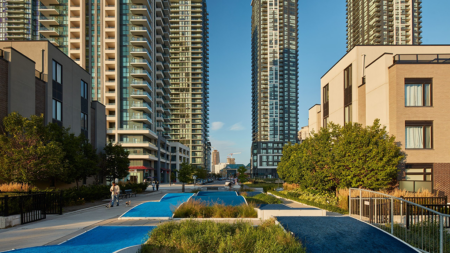





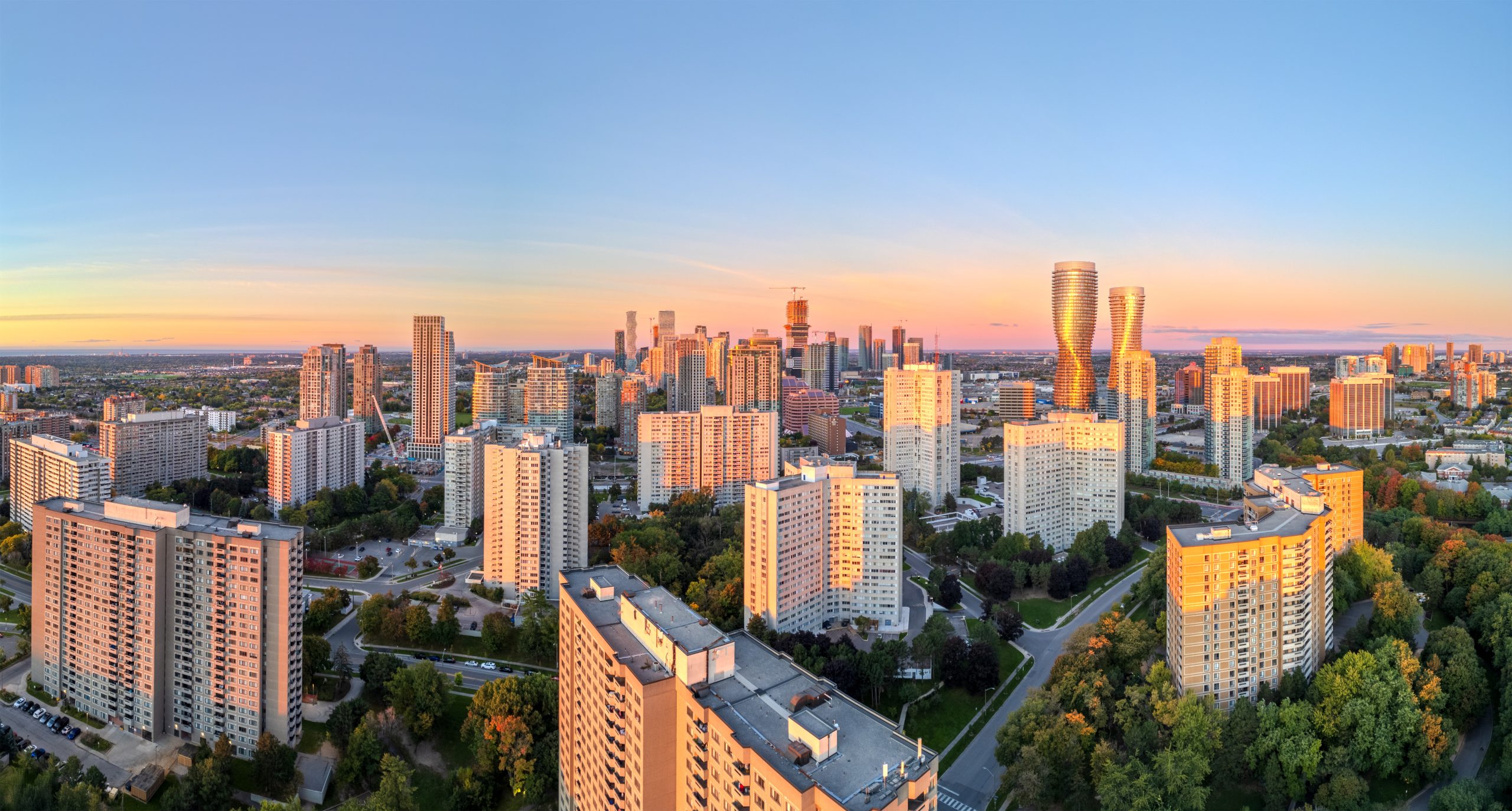
The City is working to eliminate unnecessary barriers for housing while still promoting healthy, well-planned, and lively communities.
Mississauga is currently reassessing its urban design requirements as part of the City’s ongoing initiative to increase home construction and affordability. At the Planning and Development Committee meeting, staff shared details about the City’s Urban Design Program Review and suggested several immediate changes that could facilitate more housing in urban settings.
Urban design plays a key role in shaping public spaces, streets, buildings, and landscapes. The City has various urban design guidelines that developers must adhere to, including wind and shadow studies. The Urban Design Program Review will carry out a thorough evaluation of these guidelines along with related Official Plan policies and zoning by-law regulations. The goal is to remove unnecessary housing obstacles while continuing to foster healthy, well-designed, and vibrant communities.
This review also responds to recommendations from the Mayor’s Housing Task Force, which consists of over 30 representatives from Ontario’s private sector as well as not-for-profit building and development industry. The Task Force pointed out that certain urban design mandates have made it more challenging – and costly – to construct housing without providing significant benefits for the community.
media@mississauga. ca
905-615-3200, ext. 5232
TTY: 905-896-5151
Get email updates
Source link
Revising Urban Apartment Zones
In late 2024, Mississauga established two new urban apartment zones within the zoning by-law. These regulations aim to expedite development approvals for apartments in city areas. Staff are now suggesting updates to the City’s urban design requirements for these zones. Recommendations include: Replacing ‘angular plane’ requirements with simplified setbacks: Many communities across Canada are revisiting rules that require buildings to ‘step back’ as they rise in height. This requirement reduces floorspace that could be allocated for housing – without yielding a meaningful impact on quality of life in these neighborhoods. It also increases construction costs due to heavier structures, transfer systems, and inefficient designs. Reducing minimum tower distances: Setting a minimum distance between towers helps safeguard privacy, maintain sky views, and lessen wind impacts. Staff propose reducing this required distance from 30 metres down to 25 metres which aligns better with typical practices in urban areas. This adjustment allows buildings to integrate more naturally into a site while supporting practical layouts and avoiding underutilized portions of a site – particularly on smaller or oddly shaped properties. Additional recommendations related to urban design include offering greater flexibility for amenity spaces for residents as well as ground-floor windows and entrances at street level.Next Steps
As the City’s review progresses, staff will engage with developers and community members to help shape updates within the program. Changes regarding Urban Design Guidelines and Design Reference Notes will be presented before Council for endorsement. The proposed zoning amendments for the City’s urban apartment zones along with amenity areas will be brought before City Council for approval in April, pending any further feedback received prior to the meeting.Quote
“Housing supply and affordability remain key issues facing Mississauga residents. Reviewing our urban design program will help remove housing barriers without compromising the standards that make our communities great places to live. Cities are not static. As planners, we must be ready to respond to changing demographics, infrastructure needs and economic conditions.” – Andrew Whittemore, Commissioner, Planning and BuildingTags
Media contact
City of Mississauga Media Relationsmedia@mississauga. ca
905-615-3200, ext. 5232
TTY: 905-896-5151
Get email updates
Source link