



The Ontario government has unveiled its 2026 budget, and mayors from the Waterloo region are sharing their thoughts on both the positives and negatives for local communities and residents.
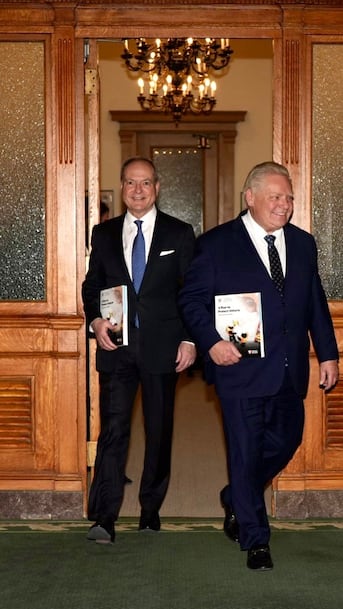
This budget was presented on Thursday afternoon by Finance Minister Peter Bethlenfalvy. It includes increased overall spending along with a higher deficit than initially expected. The plan also indicates it will take an extra year to achieve a balanced budget.
Kitchener Mayor Berry Vrbanovic spoke to CBC K-W’s The Morning Edition on Friday, highlighting that the budget addresses several key areas that municipalities have been pushing for, particularly regarding housing and affordability, thanks to the elimination of HST for new homebuyers over the next year.
“That’s probably the most significant piece and that will have impacts throughout the housing continuum because as people move into new homes, and supply and demand changes, that typically brings prices down,” he said.
WATCH | Kitchener Mayor Berry Vrbanovic on the Ontario budget: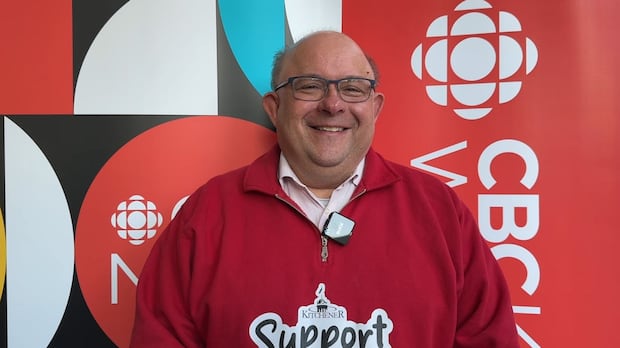 Kitchener Mayor Berry Vrbanovic reacts to Ontario’s 2026 budget
The Ontario government has released its 2026 budget. It features more overall spending and a higher deficit than planned. Kitchener Mayor Berry Vrbanovic shares what municipalities saw in that budget and what was missing.
Vrbanovic was also glad to see a commitment of $31 billion over ten years for highway expansions and transportation improvements, which is especially important for Kitchener as work continues on expanding Highway 7 toward Guelph.
He mentioned that $300 million in fresh funding from the community, sport, and recreation infrastructure fund is “much appreciated by local governments.”
Waterloo Mayor Dorothy Mc Cabe expressed her satisfaction with this fund too since many facilities in Waterloo, like RIM Park, require upgrades.
“We also have planned to build a new Westside recreation facility,” she said.
She hopes that cutting HST for new homebuyers will encourage progress on various development applications approved by the city.
Regional Chair Karen Redman stated in her remarks that she was “pleased to see investments to support small businesses, critical housing-enabling infrastructure, hospitals, and long-term care” included in the budget.
“As we continue to grow as a community, our needs deepen,” she said.
“It’s important that housing-enabling infrastructure, well-paying jobs, and healthcare support remain at the forefront as we remain committed to ensuring well-being, affordability, and prosperity for all in Waterloo Region.”
They reached out to Cambridge Mayor Jan Liggett and Guelph Mayor Cam Guthrie for comments but haven’t received any responses yet.
Kitchener Mayor Berry Vrbanovic reacts to Ontario’s 2026 budget
The Ontario government has released its 2026 budget. It features more overall spending and a higher deficit than planned. Kitchener Mayor Berry Vrbanovic shares what municipalities saw in that budget and what was missing.
Vrbanovic was also glad to see a commitment of $31 billion over ten years for highway expansions and transportation improvements, which is especially important for Kitchener as work continues on expanding Highway 7 toward Guelph.
He mentioned that $300 million in fresh funding from the community, sport, and recreation infrastructure fund is “much appreciated by local governments.”
Waterloo Mayor Dorothy Mc Cabe expressed her satisfaction with this fund too since many facilities in Waterloo, like RIM Park, require upgrades.
“We also have planned to build a new Westside recreation facility,” she said.
She hopes that cutting HST for new homebuyers will encourage progress on various development applications approved by the city.
Regional Chair Karen Redman stated in her remarks that she was “pleased to see investments to support small businesses, critical housing-enabling infrastructure, hospitals, and long-term care” included in the budget.
“As we continue to grow as a community, our needs deepen,” she said.
“It’s important that housing-enabling infrastructure, well-paying jobs, and healthcare support remain at the forefront as we remain committed to ensuring well-being, affordability, and prosperity for all in Waterloo Region.”
They reached out to Cambridge Mayor Jan Liggett and Guelph Mayor Cam Guthrie for comments but haven’t received any responses yet.
![]() Kitchener and Waterloo mayors say more funding is necessary for operating social programs focused on mental health issues and addiction support needed from provincial and federal governments. (Kate Bueckert/CBC)
Kitchener and Waterloo mayors say more funding is necessary for operating social programs focused on mental health issues and addiction support needed from provincial and federal governments. (Kate Bueckert/CBC)
 Ontario’s 2026 budget in 60 secondsIf you want insight into how Ontario’s upcoming fiscal plan affects you personally? CBC’s Julia Knope breaks down all main points within one minute.
Source link
Kitchener Mayor Berry Vrbanovic reacts to Ontario’s 2026 budget
The Ontario government has released its 2026 budget. It features more overall spending and a higher deficit than planned. Kitchener Mayor Berry Vrbanovic shares what municipalities saw in that budget and what was missing.
Vrbanovic was also glad to see a commitment of $31 billion over ten years for highway expansions and transportation improvements, which is especially important for Kitchener as work continues on expanding Highway 7 toward Guelph.
He mentioned that $300 million in fresh funding from the community, sport, and recreation infrastructure fund is “much appreciated by local governments.”
Waterloo Mayor Dorothy Mc Cabe expressed her satisfaction with this fund too since many facilities in Waterloo, like RIM Park, require upgrades.
“We also have planned to build a new Westside recreation facility,” she said.
She hopes that cutting HST for new homebuyers will encourage progress on various development applications approved by the city.
Regional Chair Karen Redman stated in her remarks that she was “pleased to see investments to support small businesses, critical housing-enabling infrastructure, hospitals, and long-term care” included in the budget.
“As we continue to grow as a community, our needs deepen,” she said.
“It’s important that housing-enabling infrastructure, well-paying jobs, and healthcare support remain at the forefront as we remain committed to ensuring well-being, affordability, and prosperity for all in Waterloo Region.”
They reached out to Cambridge Mayor Jan Liggett and Guelph Mayor Cam Guthrie for comments but haven’t received any responses yet.
A win for small businesses: tax cut
The province plans to lower the small business corporate income tax rate from 3.2 percent down to 2.2 percent starting July 1 as part of its 2026 budget; officials state this change will benefit around 375,000 small businesses. Mc Cabe described it as “encouraging news” hoping this tax cut combined with $150 million aimed at helping businesses grow will ease some pressure faced by these enterprises. WATCH | Ontario’s 2026 budget in 60 seconds:
Ontario’s 2026 budget in 60 secondsIf you want insight into how Ontario’s upcoming fiscal plan affects you personally? CBC’s Julia Knope breaks down all main points within one minute.Vrbanovic believes any support offered to local businesses is valuable since they form such an integral part of the regional economy.
“We continue seeing new Canadians arriving here many bringing along experience running small businesses from their home countries,” he shared. “Providing them opportunities can make earning a living viable long term benefits everyone across Ontario.”A need for funding reform
On another note Mc Cabe expressed disappointment at not seeing proposals aimed at changing how municipalities receive funds outlined within Thursday’s financial report. “We handle everything including economic growth job creation addressing affordability issues while knowing young individuals face tough competition when searching for their first employment additionally contributing heavily towards social challenges,” she explained recently during an interview. “Cities today are much more complex than back when property taxes were first established; it’s clear we urgently need fresh approaches regarding funding frameworks.” Vrbanovic concurred noting numerous municipalities currently grapple with pressures related specifically towards providing adequate resources necessary covering both housing assistance mental health addiction services within communities they serve together best address ongoing challenges faced daily by residents involved.”Source link