


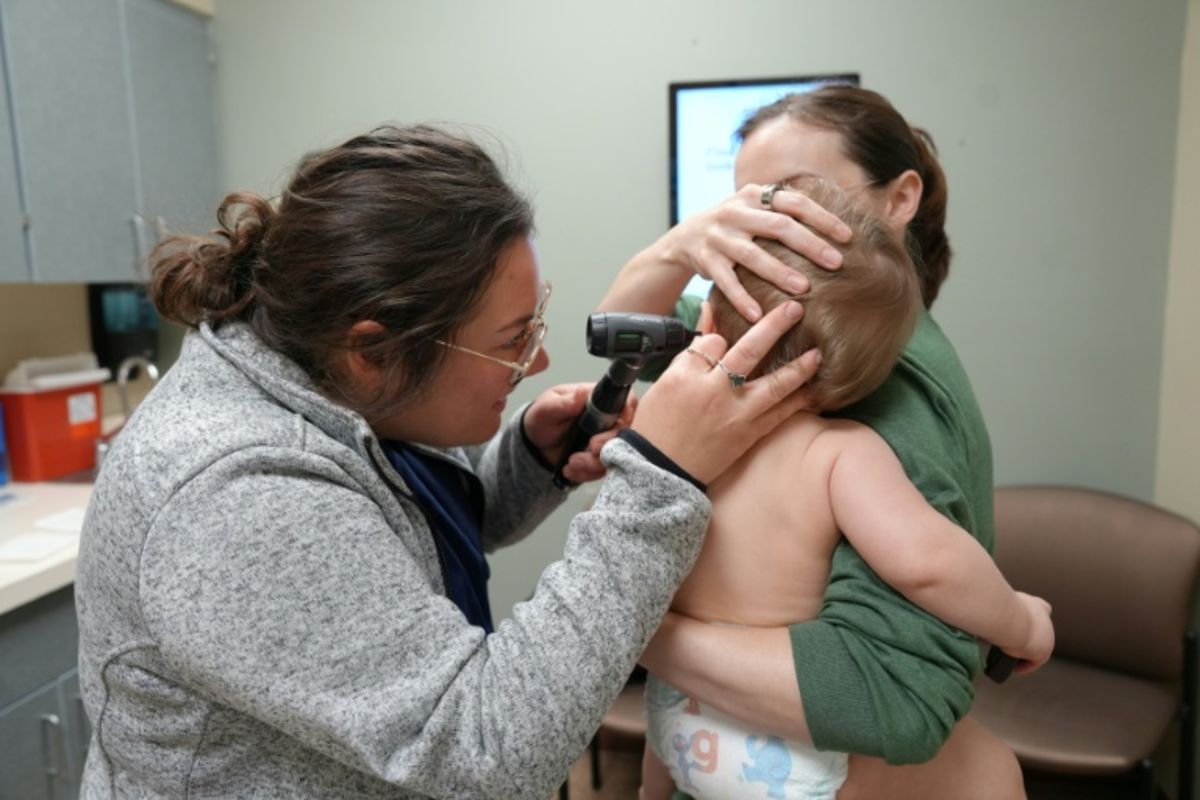
Ninety miles (140 kilometers). That’s the distance residents of Fredonia, a tiny town in central Kansas, have to travel for heart care during a heart attack or stroke.
The situation could worsen if Fredonia’s local hospital — which offers basic services and manages patient evacuations by ambulance or helicopter — were to close due to financial issues, as many facilities are facing across the nation.
“It’s definitely a concern,” said Johnathan Durrett, CEO of Fredonia Regional Hospital, talking to AFP about his 25-bed facility. Like many others today, it has to “fight to remain open.”
Though financial troubles for rural hospitals aren’t new, soaring inflation and significant aid cuts made by President Donald Trump’s administration have intensified the crisis, raising fears that hundreds might shut down permanently.
As the November 3 midterm elections approach, voters in America’s heartland express growing concerns about access to healthcare and rising costs.
“We’ve known for a long time both in Kansas and across the US that we have lots of problems with our health care system. It’s a mess,” shared family physician Allen Greiner, who splits his time between small-town Fredonia and the Kansas City area, about 2.5 hours away.
He noted that rising costs and a complicated insurance system have always been challenges but mentioned that “in some ways it’s almost worse than ever.”
– Skyrocketing costs –
Health care is under severe stress in Kansas. Since 2015, seven hospitals have closed across the state – including one near Fredonia – while an independent institute warns that another 21 rural hospitals are at “immediate risk” of closing.
“We’re all kind of afraid,” commented doctor Jennifer Bacani Mc Kenney from the Fredonia hospital. “Are we going to be the next one?”
CEO Durrettstated he couldn’t rule out that his hospital might end up on such a list.The reason?Rising costs of practically everything.” he explained; from IV equipment to meals served to patients.
Complicating matters are shrinking populations and reimbursement rates for rural hospitals which Durrett said “simply don’t cover”</.()</.
Such issues are only becoming more serious with Republican-led funding cuts aimed at both Medicaid-which assists America’s poorest-and subsidies meant for private health insurance purchases warned Tom Mueller director at Kansas Center Rural Health University Kansas.
Last year’s comprehensive funding measure signed into law Trump cut federal healthcare spending dramatically including an estimated $911 billion reduction Medicaid over next ten years according KFF health policy research group.
– Survival –
“We’re already seeing number uninsured folks emergency departments going up,” stated Mueller.
Most these reductions haven’t even begun take effect yet pointed out April Holman head Alliance Healthy Kansas while warning terrifying financial human consequences lie ahead.
Kansas possesses many individuals particularly rural areas who won’t visit hospital or consult doctor they realize can’t afford it she expressed.(“When happens their conditions worsen sometimes they’re unable survive.”)</>(last paragraph) Each time clinic hospital closes distances nearby residents must travel increase significantly doctors stressed..?<whts-a-fine-thng-bout-his-reslltd-mms-n-ppl-who-r-not-blg-tht-about-it.-?..)? To people beyond itself economies small towns rely upon boosts employment raise living standards Kasey Millar non-profit worker said 36-year-old mother added wouldn’t live Fredonia without team doctors just blocks away.. She hopes campaign promises convert tangible actions protect vital services offered rural hospitals.source link
Source link