



TORONTO – Three out of five education unions in Ontario are set to conduct strike votes next month as discussions with the provincial government remain at a standstill.
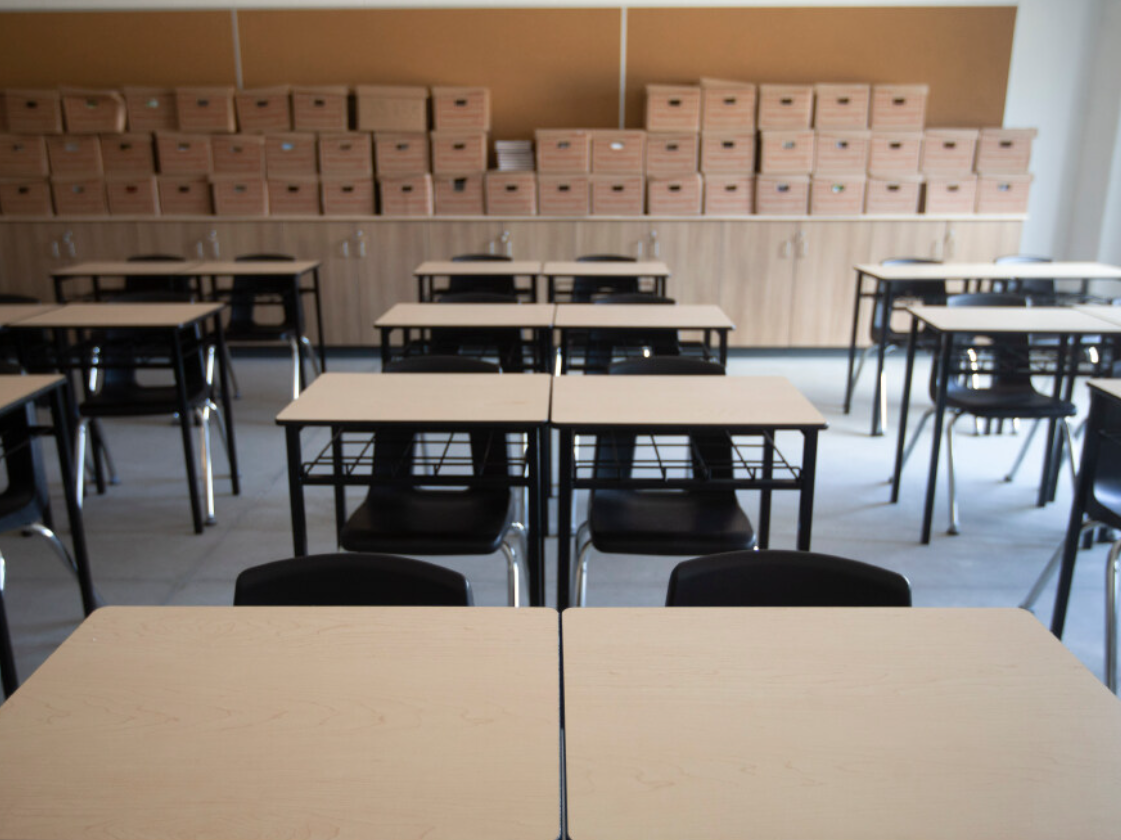
The unions representing Catholic teachers, English public elementary teachers, and education support staff will hold strike votes from Nov. 4 to 18.
What implications does this have for students and parents? Here’s what you should know.
Source link
Does a strike vote mean there will be a strike?
Not necessarily. A strike vote is essentially asking union members if they want to give their leaders the power to call for a strike or other actions if needed. It doesn’t guarantee that a strike will happen. If the vote passes, it allows the union to consider striking, but there’s still a lengthy process before any legal action can take place. Even if teachers and education workers opt to go on strike, it’s not guaranteed that schools would shut down completely. They might decide to work to rule, which means teachers would continue teaching regular classes while stepping back from additional responsibilities that help schools function smoothly, like overseeing after-school activities or grading assignments. During the previous labor unrest in 2019, teachers utilized work-to-rule tactics before escalating into rotating strikes, where the four teacher unions took turns walking out on a staggered schedule. Elementary Teachers’ Federation of Ontario president David Mastin mentioned that parents “can expect a proportional response to the challenging times we are in right now.” “We will only take action that needs to be taken in order to get this government to move off of their trajectory,” he told reporters at Queen’s Park on Monday. “And the trajectory since 2018 (when the Progressive Conservatives were elected) has been to dismantle, to cut, to suffocate everything that is good about public education.”Editor’s Picks
Why are the votes happening in November?
The timing of these votes coincides with an important ruling expected from the Ontario Labour Relations Board (OLRB), which may allow negotiations between education unions and the province to restart after being stalled throughout summer. Having a mandate for strikes could provide unions with more bargaining power. However, Education Minister Paul Calandra’s office claims these votes are counterproductive. “Premature strike threats do not serve the interests of students and do nothing but create unnecessary panic for parents,” spokesperson Emma Testani stated. “Our focus is where it should be: getting to the table and reaching a deal that keeps students in the classroom.”Why does the labour board ruling matter?
The province and education unions have been caught up in disagreements over what’s known as “central/local split,” an early phase of bargaining that decides which issues get negotiated centrally with government versus those dealt with local school boards. After passing legislation aimed at reducing school board trustees’ influence and preventing them from engaging in contract talks, the Ford government pushed for more matters to be negotiated centrally. The unions opposed this and sought intervention from the labour board for resolution. As discussions stalled during this time period, both sides blamed each other. Unions claim they wanted ongoing negotiations over issues outside of what was before labor board while government attributed delays solely on union’s actions during negotiations“Once OLRB process concludes we’ll be ready & willing negotiate when ever unioons ready begin ” Testani said.
After months wait labour board expected hear arguments both sides through October before making decision early November.
Source link