



Almost a year after finishing construction on a $5 billion battery plant, Next Star Energy in Windsor, Ont., hasn’t yet reached its goal of hiring 2,500 people – even though a federal funding agreement required this to happen within a year after completing the project.
The company asserts it is still committed to hiring 2,500 individuals. So far, Next Star has brought on about 1,300 full-time workers, according to company spokesperson Daniela Ferro in an email. This number is the same as what was shared back in March during the grand opening celebration of the plant. Construction on the large facility in Windsor’s east end wrapped up officially last September, and battery cell production began late last year.
“We remain on track to create 2,500 direct full-time jobs at full capacity,” Ferro stated in late August. “The timeline for full production will be adjusted according to market conditions and customer needs.”
Next Star has secured at least $530 million from Ottawa through two funding deals since construction started in 2022 – but that total is likely higher now as some of the funding depends on how many batteries the plant produces.
The original funding deal specified that Next Star would create 2,500 full-time jobs within one year of “Project Completion Date” – but it’s not clear if that refers to when construction ended or another milestone. Next Star did not respond to CBC Windsor’s inquiry about what it considers as the project completion date.
In an emailed statement, the federal industry department- which oversees these deals- praised the facility for its role in “accelerating Canada’s leadership in electrification efforts” and being “an important anchor in developing Canada’s battery value chain.”
“The Government of Canada monitors projects receiving support to assess performance against the terms and conditions of applicable agreements,” said the department.
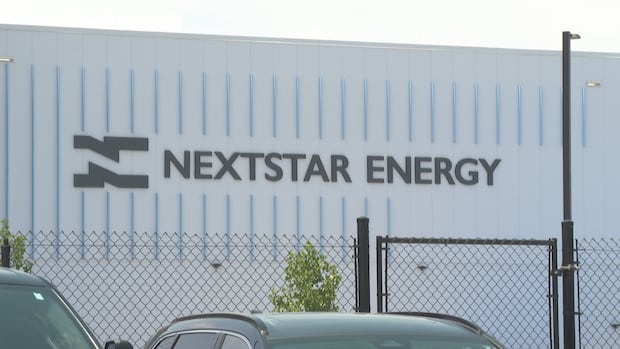
The Next Star Energy battery plant, pictured on Feb. 9, 2026, in Windsor, Ont. (Emma Loop/CBC)
The Next Star initiative was initially a joint venture with Stellantis aimed at manufacturing batteries for electric vehicles but has had to adapt quickly due to a rapidly changing automotive market where North American carmakers have slowed their EV development plans.
“Yes, [Next Star] slowed down on their hiring, but they didn’t lay anyone off,” says James Stewart, head of Unifor Local 444 which represents around 900 unionized employees at the facility. “They pivoted fast. They made quick decisions so people could keep their jobs.”
Interest in EVs across both U. S. and Canada has declined recently despite earlier expectations for quick adoption by consumers – partly due to regulatory changes under the Trump administration.
This led Stellantis to reduce its EV goals and sell its stake in Next Star earlier this year.
Now fully owned by South Korea’s LG Energy Solutions, Next Star has shifted focus toward producing batteries for energy storage systems instead – although it claims it can ramp up EV battery manufacturing again when demand increases.
“Things fundamentally changed for Next Star,” said Stewart who also represents over 6,000 autoworkers at nearby Stellantis automotive assembly plant. “They were originally partnered with Stellantis to make batteries for EVs both here and south of the border.
“With Trump’s administration coming into play things took a different direction; they pushed oil instead,” Stewart added. “This clearly impacted Stellantis along with Ford and General Motors as well as Toyota and Honda-changing their strategies throughout Canada and America.”
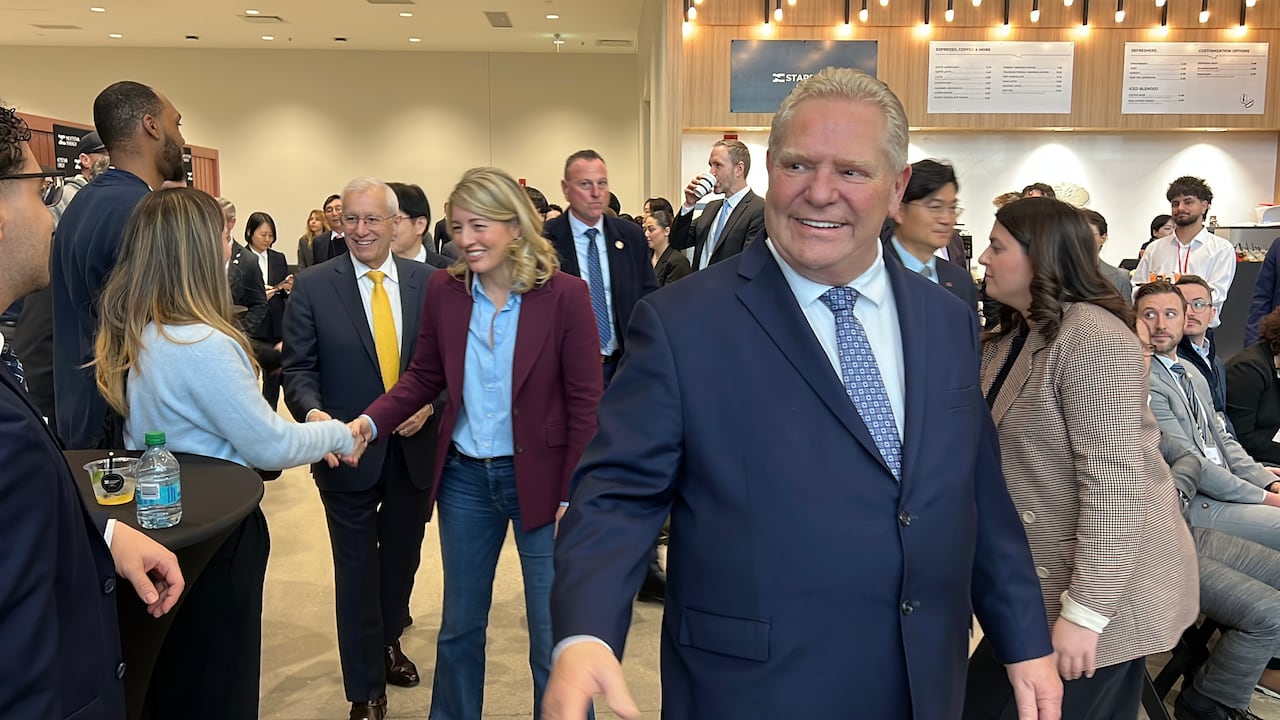 Neither Next Star nor federal authorities responded regarding possible extensions concerning hiring deadlines stipulated within funding agreements.
However earlier this year-as reported by -Next Star registered lobbying efforts aimed towards Canadian officials “to discuss amendments related” concerning received funds from Innovation Science Economic Development Canada (ISED) geared toward high technology battery facilities based out of Windsor Ontario.”
Around June early communication occurred between Industry Minister Melanie Joly alongside Finance Minister François-Philippe Champagne among other senior government figures noted through lobby reports.”Certainly standard practice involves regular meetings held between Government representatives & project proponents especially complex industrial ventures demanding significant private investments”. ISED stated further involving conversation details particularly sensitive topics must stay confidential safeguarding taxpayer interests while supporting proponent objectives’@font-face{font-family:”Trebuchet MS”; font-size:12pt;}P{margin-bottom:10pt;}@media print{@page{size: auto; margin:0}}
Stewart expresses confidence indicating he believes demand will rebound promoting optimistic outlook regarding attaining eventual employee numbers cited reaching complete totality aspiring aiming reaching goal intended totality numbers envisioned-specifically targeting those indicated underprevious stated projections suggesting growth potential capacity levels ultimately achievable!
Source link
Understanding The Funding Agreements
Next Star has two funding agreements with the federal government which CBC Windsor previously obtained via Access to Information law. The first agreement was signed back in 2022 allowing up to $500 million towards capital investments. This deal stipulates that Next Star “will create two thousand five hundred (2,500) FTEs within one year of Project Completion Date” while maintaining those positions until contract term ends. The second agreement inked in 2023 offers up to $15 billion for battery production subsidies-one-third funded by Ontario government-which appears more lenient regarding hiring expectations stating that they “acknowledge intentions” rather than firm commitments. The second deal came after Next Star paused site construction seeking additional funds.Next Star Lobbied Federal Officials This Year
Neither Next Star nor federal authorities responded regarding possible extensions concerning hiring deadlines stipulated within funding agreements.However earlier this year-as reported by -Next Star registered lobbying efforts aimed towards Canadian officials “to discuss amendments related” concerning received funds from Innovation Science Economic Development Canada (ISED) geared toward high technology battery facilities based out of Windsor Ontario.”
Around June early communication occurred between Industry Minister Melanie Joly alongside Finance Minister François-Philippe Champagne among other senior government figures noted through lobby reports.”Certainly standard practice involves regular meetings held between Government representatives & project proponents especially complex industrial ventures demanding significant private investments”. ISED stated further involving conversation details particularly sensitive topics must stay confidential safeguarding taxpayer interests while supporting proponent objectives’@font-face{font-family:”Trebuchet MS”; font-size:12pt;}P{margin-bottom:10pt;}@media print{@page{size: auto; margin:0}}
Stewart expresses confidence indicating he believes demand will rebound promoting optimistic outlook regarding attaining eventual employee numbers cited reaching complete totality aspiring aiming reaching goal intended totality numbers envisioned-specifically targeting those indicated underprevious stated projections suggesting growth potential capacity levels ultimately achievable! Source link