





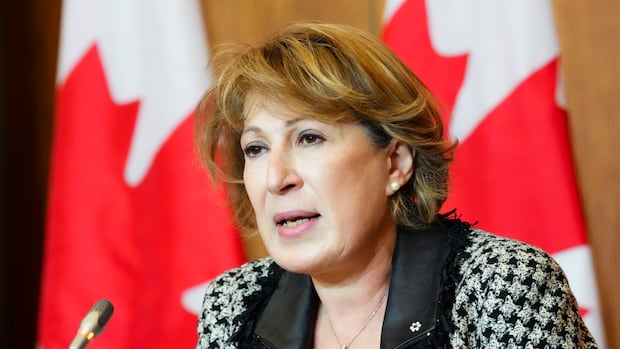
Canada’s chief science adviser believes the federal government needs to create a way to assess its response to the COVID-19 pandemic, aiming to better prepare Canadians for future public health issues.
“I think we have to respect how people feel, and then we need to meet them and hear them and understand where things stand,” Mona Nemer said in an interview with CBC’s The House airing Saturday.
“People are angry for different reasons around the COVID measures. Some are angry because they lost their livelihood. Others are angry because they lost loved ones. Others are angry because their kids didn’t go to school. I think we need to understand all of this.”
Nemer, who provides independent advice and doesn’t set government policy, stressed that Ottawa’s review should be non-partisan and not open-ended. She feels it should address specific questions so that the process remains focused and timely.
“Just like now, when people reflect on and are angry about some of the vaccine discussions, people forget that so many folks were dying every day before we had vaccines and how much vaccines saved lives, actually,” she said.
WATCH | World not ready for another pandemic, report warns: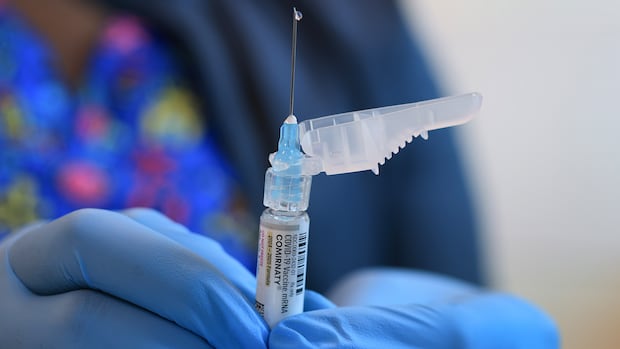
The world isn’t ready for another pandemic, report warns
A new report by a World Health Organization-backed board warns that the world isn’t prepared for the next pandemic. It calls on health authorities to collaborate in tracking risks, sharing vaccines, tests, treatments, as well as securing funding for prevention, preparedness and response.
“We just need to have the proper context for these kinds of discussions and reflections. And we need to have the proper mindset to do it in a constructive manner, to better prepare the country and the population for future health challenges.”
Nemer’s remarks come as Conservative MP Dean Allison plans his own inquiry in September regarding the pandemic – specifically “listening to the testimony of Canadians injured by a COVID-19 vaccine.”
Last month, Allison stated “every Canadian deserves to be treated with dignity, respect and compassion. When people come forward with their concerns about their health, our first response should never be dismissal. It should be listening.”
According to information on the inquiry’s website, it will be non-partisan. Additionally, other MPs and senators from all parties can join as panel members.
Conservative MP Dean Allison announces an inquiry into Canadian Covid-19 vaccine injured persons on June 4, 2026. (Sean Kilpatrick/The Canadian Press)
When asked about Canadians’ trust in authorities concerning infectious diseases issues, Nemer mentioned that overall trust in government and science is declining – which she sees as concerning but also understandable.
“Nothing was perfect [with COVID], but nothing was horribly badly done either,” Nemer said. “I think people distrust when they don’t understand or they have their perspective that hasn’t been confronted or discussed against other things.”
The world lags behind on Ebola response
During her interview, Nemer also voiced worries about how global responses are handling other infectious diseases like Ebola.
The outbreak was declared on May 15 by the World Health Organization while infection numbers continue rising steadily. According to data from the government of Democratic Republic of Congo, confirmed cases have exceeded 4,000.
Ebola isn’t new; however, Nemer pointed out there were no diagnostics available initially for several months which likely made controlling this outbreak harder.
Nemer noted that globally we’ve yet to learn crucial lessons from COVID-19; pandemic readiness shouldn’t be viewed as a separate task but integrated into regular health services instead.</P
Additionally, Nemer remarked there was an urgent pace during COVID-19 response which has since diminished despite ongoing threats from various diseases appearing regularly.</P
“Since COVID we’ve had mpox , we’ve had Ebola , we’ve had hantavirus -the list is long.[Bird flu] still poses a risk,” Nemer said.</P
“So I don’t think we can claim victory or move ahead without addressing these issues.”
WATCH | Canada approves trial for m RNA Ebola vaccine: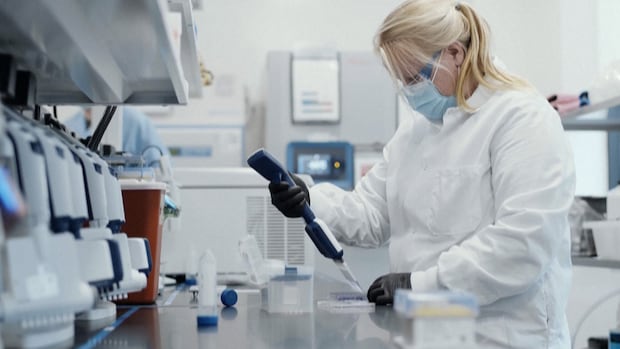
Canada approves trial for m RNA Ebola vaccine
Health Canada has authorized Phase 1 clinical trials for Moderna’s potential m RNA vaccine targeting Bundibugyo strain Ebola. If proven safe effective , this could assist in managing future outbreaks.
Nemer acknowledged collective exhaustion stemming from confronting new viruses post-COVID ; yet emphasized importance lies preparing beforehand rather than waiting until crises unfold.
“I think pandemic taught us valuable insights regarding public trust [and] developing such trust during peacetime -meaning between pandemics or prior-to-pandemics ,”Nemer indicated.
“Because it’s not during crisis we’re going start building essential trust.”
Source link