




Estimated 6 minutes
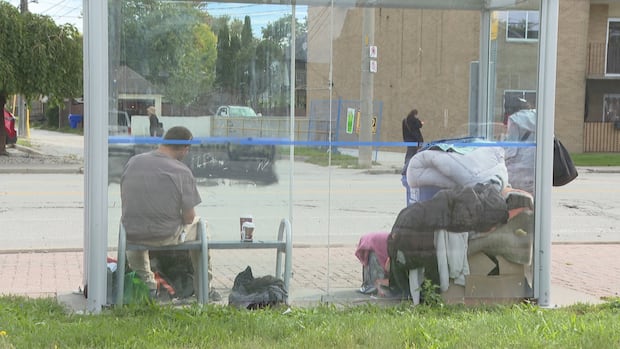
As homelessness continues to be a significant issue in the municipal election campaign, a Windsor family doctor has received recognition for her efforts at local shelters.
Homelessness ranks among the top three concerns in the elections set for Oct. 26, based on responses from CBC Windsor’s election survey.
Windsor’s 2025 point-in-time homeless count recorded 794 individuals living in the city – over 120 more than what was reported in 2024.
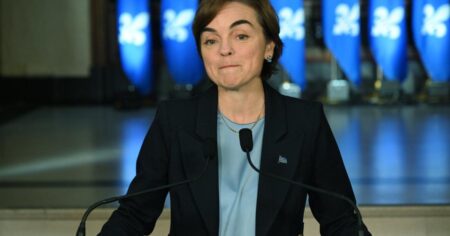
Jennifer Bondy, medical director at Windsor Shelter Health, was recently honored with an Award of Excellence by the Ontario College of Family Physicians for her work with the city’s homeless population. (Submitted by the Ontario College of Family Physicians)
Jennifer Bondy, who serves as medical director at Windsor Shelter Health, has recently been awarded an Award of Excellence by the Ontario College of Family Physicians for enhancing care for those facing homelessness and housing insecurity while also helping to develop a community-oriented model that integrates health and social services.
She spoke with CBC’s Amy Dodge on Windsor Morning Thursday to share her perspective on this pressing issue.
This interview has been edited for length and clarity.
The statistics indicate that homelessness in our city keeps increasing. Is that what you’re seeing firsthand?
Jennifer Bondy: From my experience as a physician at Windsor Shelter Health, I can say we are definitely seeing more people coming through our doors. I attribute this rise to the efforts we’re making; we often mention that rebuilding trust with those who have previously felt excluded from healthcare is a big part of our job. So when we notice more individuals reaching out, it feels like a success story stemming from those relationship-building efforts.
How do their health issues compare to what you’d see in a regular doctor’s office?
There are certainly some similarities along with unique challenges specific to our setting. We manage common chronic conditions like diabetes here just as you’d find in any family doctor’s office. Recently, we collaborated with Best Care Team-a program that’s available across Ontario but began locally-to address respiratory health issues such as asthma and emphysema. Moreover, we tend to see a higher percentage of patients grappling with primary mental health problems like schizophrenia and substance use disorders.
When candidates discuss homelessness during their campaigns, what comes to your mind? This topic clearly resonates deeply with you since you’re well-acquainted with it-how does it feel knowing it’s such an important election issue?
I believe it’s an intricate issue. Anyone claiming they have one clear-cut solution probably doesn’t grasp its complexity because addressing it requires multiple strategies-both preventative measures aimed at stopping people from reaching crisis points and support systems designed to help them move forward.
Do you sense a gap between reality and what’s being said by campaigners?
I wouldn’t necessarily put it that way. Many council candidates have engaged directly on the streets and taken time to talk things over there; they’ve shown genuine effort toward understanding what’s happening on ground level. Yet I think there’s often widespread misunderstanding about how people end up facing these situations. When I speak with my patients, it strikes me how easily any one of us could find ourselves in similar circumstances due to just one misstep-a serious accident or sudden job loss leading to losing one’s home. The chain reaction isn’t as far-fetched as many might believe. It’s essential for us as a community to remember these individuals are our neighbors-they’re part of us all! Taking proactive steps toward solutions will get us much further than divisive approaches ever will.
What do you think is the most frequent misconception you encounter regarding this topic?
One common myth I hear relates specifically to healthcare attitudes towards these individuals-we often hear phrases like “Those people don’t want help.” When statements like this come up, they create unnecessary separation between us and them which can be harmful overall; my experience doesn’t align at all! As I’ve mentioned before: we’re focused on building trust within relationships here-which is central! If we return back down into family medicine basics-what’s called “patient-centered care”-we need insight into each patient’s context including barriers impacting access or engagement levels-that’s precisely why we’ve designed our clinics around removing obstacles so folks experiencing homelessness can reach out without added difficulties!
Regarding involuntary treatment discussions initiated by Premier Ford-it’s now becoming relevant during elections too-how do your views fit within everything you’ve shared so far?
I think there’s room for improved clarity surrounding terms involved here: What exactly does involuntary treatment entail? How does current legislation under Mental Health Act define necessary parameters? And where exactly does substance use disorder-which is recognized via DSM-5 classification-as fitting under said regulations? There’s considerable confusion surrounding this topic altogether… While I genuinely support autonomy rights concerning individual choices-I’m also keenly aware some vulnerable populations may not possess full capacity when needing assistance therefore should still receive adequate help whenever possible!
Source link