




Donald Trump is a “very transactional” president, and his ongoing demands regarding Iran should be viewed through that lens, according to one of Keir Starmer’s top ministers in an unusually straightforward evaluation of the UK’s relationship with the US.
When asked about Trump’s threats towards allies who don’t send ships to assist in freeing up the Strait of Hormuz, Pat Mc Fadden, the work and pensions secretary, stated that the UK isn’t required to comply with every request from the US.
After Trump again called out the UK for not showing enough support for the US-Israeli stance against Iran, Mc Fadden emphasized that it’s crucial to distinguish between Trump’s “rhetoric” and more significant issues at play.
In an interview with the Financial Times late last night, Trump reiterated his dissatisfaction with the UK’s lack of action regarding sending ships to the Strait of Hormuz, a critical shipping route that has been largely disrupted by Iranian counterattacks.
“It’s only appropriate that people who are the beneficiaries of the strait will help to make sure that nothing bad happens there,” Trump said. “If there’s no response or if it’s a negative response, I think it will be very bad for the future of Nato.”
When asked whether he believed Trump might cut support for Nato if other members didn’t follow through on his demands regarding Iran, Mc Fadden told Sky News: “Well, that’s the president right there. The quote that you’ve just given has summed him up.
“It’s a very transactional presidency, and our job is to navigate this while always remembering that friendship between the United States and the United Kingdom runs very deep. It’s a solid relationship. It’ll endure, and I think it will outlast all personalities involved.”
Instead of sending ships, the UK is working on plans to deploy minesweeping drones to the Strait of Hormuz due to worries that meeting Trump’s requests could worsen tensions.
When asked about this plan, Mc Fadden replied: “The honest answer is – these things will be discussed between the prime minister and president. I can’t provide you with a list of equipment we would send at this moment but our general stance in this conflict is we haven’t aimed to take an active role.”
Earlier speaking on Times Radio, Mc Fadden noted: “There’s always a lot of rhetoric during this presidency. Beneath all that lies a strong relationship between Britain and America. I’m confident it will keep going. We communicate regularly.
“But just because we have this bond doesn’t mean we’ll automatically back every intervention or action taken by the United States.”
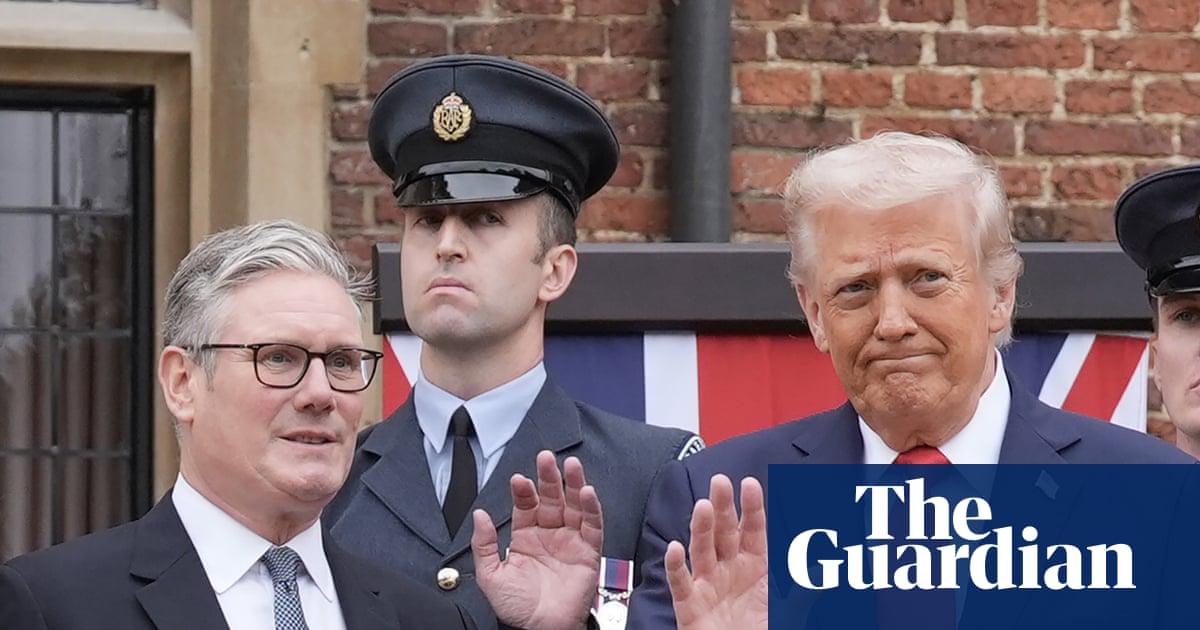
Starmer has tried hard to maintain good ties with Trump whenever possible; for instance, he used his first visit to Trump’s White House as an opportunity to invite him for an unprecedented second state visit to Britain.
However, Trump has repeatedly criticized Starmer for what he perceives as disinterest in backing action against Iran, stating earlier this month: “This is not Winston Churchill that we’re dealing with.”
Downing Street feels assured its approach-only supporting defensive actions against Iranian drone and missile strikes-is aligned with international law and generally reflects public sentiment in Britain.
Starmer spoke with Trump over phone on Sunday. According to Downing Street’s summary after their call, they discussed ongoing situations in the Middle East and highlighted how important it is to reopen traffic through Hormuz as global shipping disruptions are raising costs everywhere.
Source link
Source link