





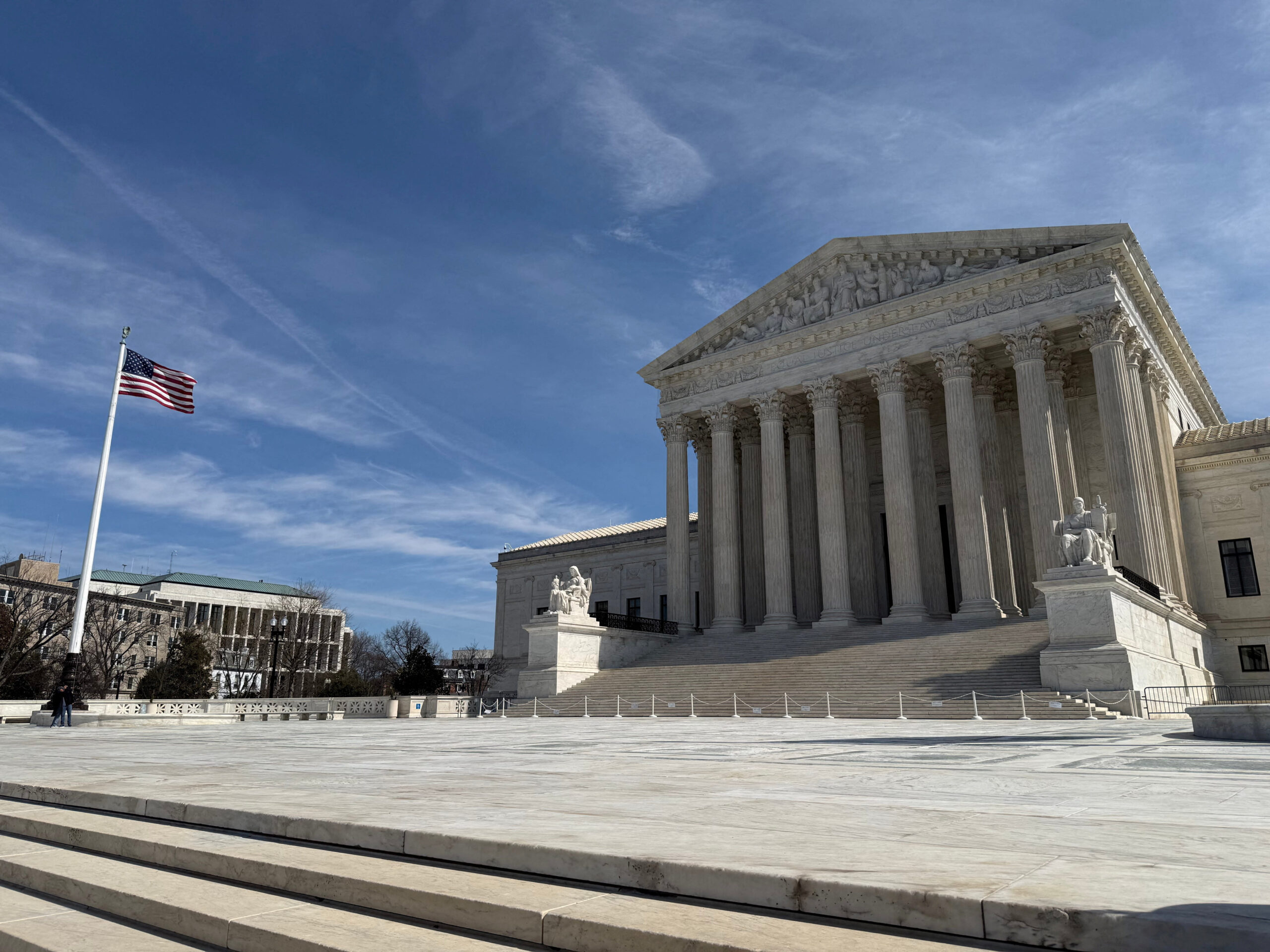
A well-known trend in American politics is that the party holding the presidency usually loses seats in the House of Representatives during midterm elections. Out of the forty-two midterm elections since the two-party system emerged in the late 1850s, the president’s party has lost seats thirty-eight times. This history leads many political enthusiasts to predict that Democrats will gain seats in November and take back control of the House.
However, last week’s Supreme Court ruling in Louisiana v. Callais has changed that perspective.
The case dealt with Louisiana’s congressional district map. The Voting Rights Act, originally passed by Congress in 1965 and later amended, prohibits states from creating districts that weaken the voting power of non-white voters. To adhere to this understanding of Section 2 of the law, Louisiana established its districts to form majority-minority districts.
The plaintiffs in Louisiana v. Callais claimed that Louisiana’s map was an unconstitutional racial gerrymander because it created majority-minority districts. The Court largely agreed with this argument. It ruled that states have significant leeway when drawing district lines and can even design maps to favor one political party over another. However, maps crafted to enhance electoral chances for non-white candidates violate the Constitution’s equal-protection clause. Under this more limited interpretation of the Voting Rights Act, a state violates Section 2 only if it “intentionally drew its districts to afford minority voters less opportunity because of their race.”
Republicans praised the ruling for adopting a color-blind stance on redistricting, while Democrats condemned it for allowing states to reduce political power for non-white voters.
The decision in Louisiana v. Callais comes during a wave of mid-decade redistricting, which is legal under federal law but hasn’t been common practice in America for over a century. Former President Donald Trump has urged Republican-led states to redraw their congressional maps as part of an effort to bolster their chances at keeping control of the House. In response, Democrats in California, Virginia, and other areas have begun similar efforts.
Before last week’s Supreme Court ruling, neither party had gained a clear upper hand from their newly drawn maps; any projected gains were generally balanced out by losses elsewhere.
Now everything is uncertain. Following the Court’s decision, Louisiana’s Republican Governor Jeff Landry postponed the state’s May 16 primary so district maps could be redrawn-a move made even though absentee voting had already started for that primary. Other red states like Alabama, South Carolina, and Tennessee may follow suit.
In the long run, Louisiana v. Callais will likely increase political partisanship and division within America. Many states lack laws preventing them from drawing district lines for political advantages; thus they’ll be free to extract maximum benefits from their congressional maps. Meanwhile, blue states with restrictions will probably seek ways around those limitations-California and Virginia are already paving that path with recent votes aimed at countering Republican gerrymandering through Democratic methods. This trend is likely to exacerbate America’s political issues.
What unfolds over the next six months isn’t clear yet-it’s uncertain which states will revise their congressional maps or how those changes will tilt outcomes across different regions. Moreover, new congressional maps spurred by either Louisiana v. Callais or referenda like those seen in Virginia will enter legal battles soon after they’re announced; courts typically hesitate to change district lines close to an election cycle.
However,
the timing here-with just over six months until Election Day and even less time before early- and absentee balloting kicks off nationwide-might disrupt traditional expectations come 2026.
For now though,
assumptions about Democrats easily regaining control should be reassessed. While this ruling doesn’t directly impact Senate races,
it does shift perceptions regarding a potential Democratic Senate majority come 2027-from unlikely now seeming possible.
This raises an interesting scenario: it’s plausible that Democrats could win control of one chamber while losing another. Additionally,
this ruling increases fears among election experts about chaotic outcomes post-election-specifically disputes over which party ends up controlling Congress.
Until recently,
Democrats appeared set to surpass far beyond what they need (three-to-five seats) for majority status.
That meant close races wouldn’t matter much when determining who controls House leadership moving forward into January next year. Yet if following Louisiana v. Callais means Dems now must pick up something closer towards twenty-five seats instead,
then every single tight race might dictate which party holds power next January 3rd.
As Americans witnessed vividly back during both years ’00 & ’20 these scenarios often don’t bring out our best qualities as citizens
Adding into mix ongoing fights surrounding voter access means moods nationwide could darken significantly ahead! So buckle up! Turbulence lies ahead! Key NumbersEven amidst mid-decade redistricting public opinion regarding Trump’s job performance remains critical factor influencing whether Republicans maintain control House. On score , Trump continues facing negative overall approval rating averaging national polls revealing only 39.1 percent Americans approving him while remaining disapproving stands at remarkable high 57.5 percent. Thus his net approval rating resting at disappointing level(−18.4 ) represents lowest point second term increasing marginally from prior month(−16.9 ). Also escalating gas prices certainly aren’t helping either with current average cost gallon reaching $ $ ” ” four point four five seven dollars/gallon , indicating thirty-five cents hike compared month ago.As we speak today , fifty-six members currently serving House have announced intentions either retire or pursue alternate offices November including Democrat David Scott Georgia who sadly passed away couple weeks ago plus Republicans Tony Gonzales Texas along-with Dems Sheila Cherfilus Mc Cormick Florida & Eric Swalwell California whose resignations occurred last month due risk expulsion due ethics violations. Altogether these four vacant positions shall need filled prior fall through special elections winners most likely running again November ballot too thereby leading total incumbent seeking re-election having spent less than year office altogether!According latest generic ballot results show Dems holding slight edge against Republicans presenting lead approximately five point nine percentage points upward slightly under half-point since previous month!Reuters/Ipsos polling uncovered nearly half participants surveyed harbor beliefs surrounding vast number non-citizens voting within U. S. elections especially prominent among GOP supporters asserting claims fraudulent practices occurring despite studies illustrating rarity actual cases happening. This widespread distrust surrounding election results adds further concern things could turn south quickly given razor-thin margins determining winner controlling house come November!
Recent UpdatesEli Mc Kown-Dawson interviewed Nathaniel Rakich Votebeat regarding potential implications stemming Trumps suggested alterations administration Midterms suggesting unclear impact resulting proposals taking effect whether advantage gained respective parties depends upon final outcome realized !Justice Samuel Alito authored majority opinion pertaining case narrowing provisions enacted under Voting Rights Act whereas dissent penned by Justice Elena Kagan!Oscar Berry lent assistance article preparation process!”Other installments monthly series include:
Source link
However,
the timing here-with just over six months until Election Day and even less time before early- and absentee balloting kicks off nationwide-might disrupt traditional expectations come 2026.
For now though,
assumptions about Democrats easily regaining control should be reassessed. While this ruling doesn’t directly impact Senate races,
it does shift perceptions regarding a potential Democratic Senate majority come 2027-from unlikely now seeming possible.
This raises an interesting scenario: it’s plausible that Democrats could win control of one chamber while losing another. Additionally,
this ruling increases fears among election experts about chaotic outcomes post-election-specifically disputes over which party ends up controlling Congress.
Until recently,
Democrats appeared set to surpass far beyond what they need (three-to-five seats) for majority status.
That meant close races wouldn’t matter much when determining who controls House leadership moving forward into January next year. Yet if following Louisiana v. Callais means Dems now must pick up something closer towards twenty-five seats instead,
then every single tight race might dictate which party holds power next January 3rd.
As Americans witnessed vividly back during both years ’00 & ’20 these scenarios often don’t bring out our best qualities as citizens
Adding into mix ongoing fights surrounding voter access means moods nationwide could darken significantly ahead! So buckle up! Turbulence lies ahead! Key NumbersEven amidst mid-decade redistricting public opinion regarding Trump’s job performance remains critical factor influencing whether Republicans maintain control House. On score , Trump continues facing negative overall approval rating averaging national polls revealing only 39.1 percent Americans approving him while remaining disapproving stands at remarkable high 57.5 percent. Thus his net approval rating resting at disappointing level(−18.4 ) represents lowest point second term increasing marginally from prior month(−16.9 ). Also escalating gas prices certainly aren’t helping either with current average cost gallon reaching $ $ ” ” four point four five seven dollars/gallon , indicating thirty-five cents hike compared month ago.As we speak today , fifty-six members currently serving House have announced intentions either retire or pursue alternate offices November including Democrat David Scott Georgia who sadly passed away couple weeks ago plus Republicans Tony Gonzales Texas along-with Dems Sheila Cherfilus Mc Cormick Florida & Eric Swalwell California whose resignations occurred last month due risk expulsion due ethics violations. Altogether these four vacant positions shall need filled prior fall through special elections winners most likely running again November ballot too thereby leading total incumbent seeking re-election having spent less than year office altogether!According latest generic ballot results show Dems holding slight edge against Republicans presenting lead approximately five point nine percentage points upward slightly under half-point since previous month!Reuters/Ipsos polling uncovered nearly half participants surveyed harbor beliefs surrounding vast number non-citizens voting within U. S. elections especially prominent among GOP supporters asserting claims fraudulent practices occurring despite studies illustrating rarity actual cases happening. This widespread distrust surrounding election results adds further concern things could turn south quickly given razor-thin margins determining winner controlling house come November!
Recent UpdatesEli Mc Kown-Dawson interviewed Nathaniel Rakich Votebeat regarding potential implications stemming Trumps suggested alterations administration Midterms suggesting unclear impact resulting proposals taking effect whether advantage gained respective parties depends upon final outcome realized !Justice Samuel Alito authored majority opinion pertaining case narrowing provisions enacted under Voting Rights Act whereas dissent penned by Justice Elena Kagan!Oscar Berry lent assistance article preparation process!”Other installments monthly series include:
Source link