




With the upcoming opening of an electric vehicle battery plant, St. Thomas is aiming to boost its housing options to keep up with the city’s growing population.
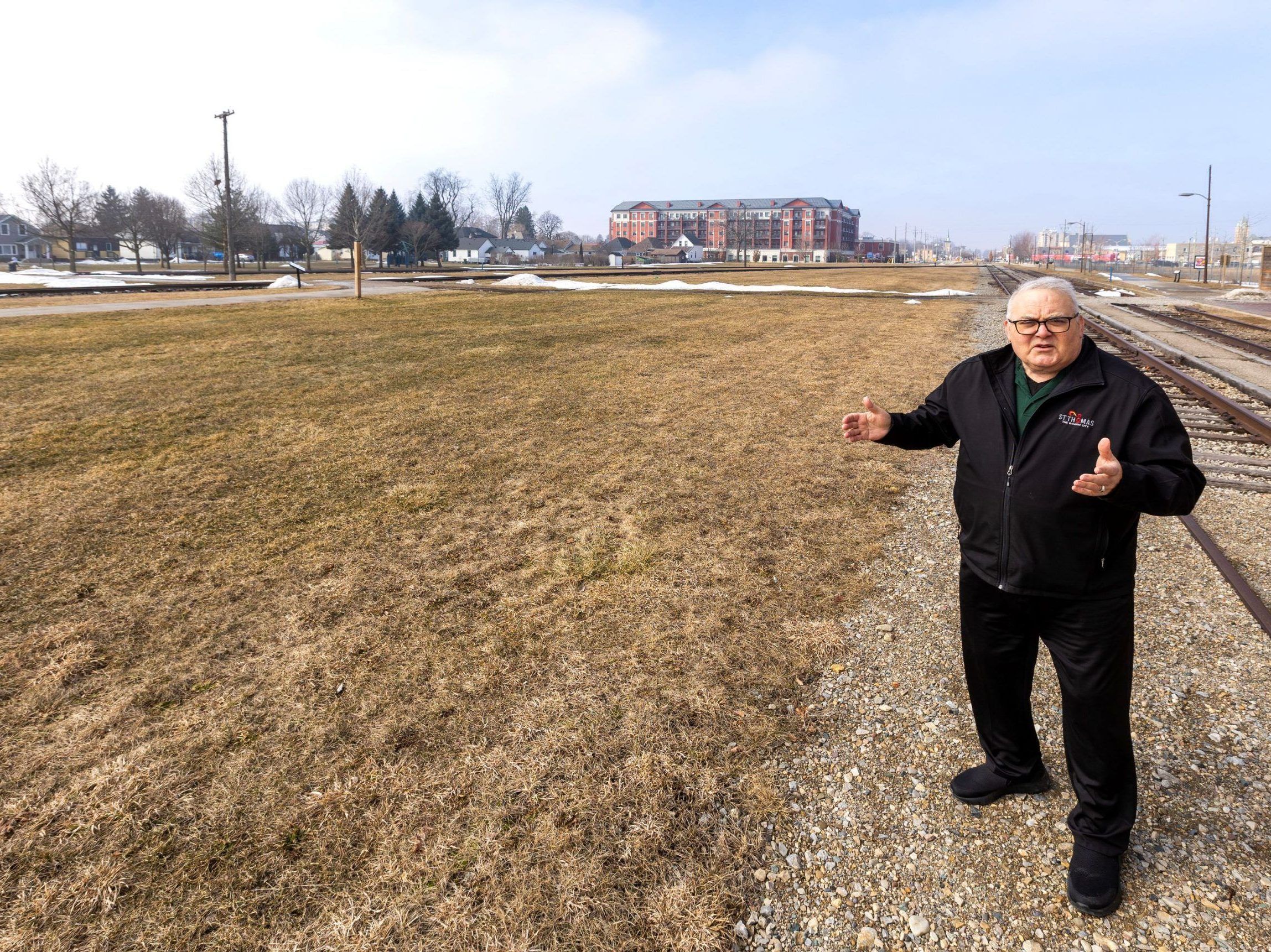
St. Thomas Mayor Joe Preston sees a chance to construct around 2,000 to 3,000 essential homes on vacant lots in the downtown area on “brownfield” lands. However, developing these sites comes with a challenge: cleaning up contaminated land can be expensive.
“Communities of our size have land, certainly in the core of our city… that is not buildable because the land has some contamination,” Preston mentioned in an interview, pointing out that much of the unused space in downtown St. Thomas – known as the Railway City – is railway property.
To tackle the costs tied to land remediation, which run into millions, Preston has called on the federal government to think about creating a fund that municipalities – like growing cities such as St. Thomas – could use to clean up brownfield sites and turn them into useful spaces, especially for housing.
Preston sent a letter to Julie Dabrusin, Canada’s environment minister, asking Ottawa for support regarding “housing and infrastructure growth” for smaller cities like St. Thomas to address contaminated sites and reduce the financial burden on local taxpayers.
The letter from Preston requested funding assistance for cleaning up large areas of vacant land in the core that are “ideally suited” for denser development and affordable housing but remain off-limits due to “contamination and brownfield conditions.”
“We have land that’s available to us now, either owned by the city or owned by developers, that is sitting there not being used,” Preston told The Free Press. “We need housing being built on empty properties. That’s the clear answer to the question.”
In a response dated Feb. 23 from Dabrusin regarding Preston’s letter, she stated that the federal government only manages contaminated sites it owns or has accepted responsibility for.
Dabrusin noted her understanding that provincial government supports brownfield redevelopment under the Planning Act, which sets a framework for grants, loans and property tax help. She also mentioned forwarding Preston’s letter to Gregor Robertson, who is responsible for housing and infrastructure at the federal level.
Robertson’s office did not reply when The Free Press requested comments.
Preston said he has also been actively seeking funding from provincial authorities as well. Rob Flack, local MPP and Ontario’s minister of municipal affairs and housing, did not respond when approached by The Free Press for comments.
With Volkswagen subsidiary Power Co’s massive $7-billion EV battery plant expected to begin operations in 2027 and create 3,000 jobs along with nearby Vianode’s planned factory project pushing demand for housing in and around St. Thomas is increasing rapidly.
A consultant’s report projected that St. Thomas’ current population of around 43,000 could grow significantly-upwards of an estimated 79,500-by 2051. Preston prefers not having residential development spill over into what is currently farmland surrounding the city; instead advocating intensification within urban limits.
Building in established areas “like downtown or along transit lines” will provide “accessible and affordable housing more quickly,” according to Preston’s views expressed during discussions.
@Brian Wat LFPress
Source link