




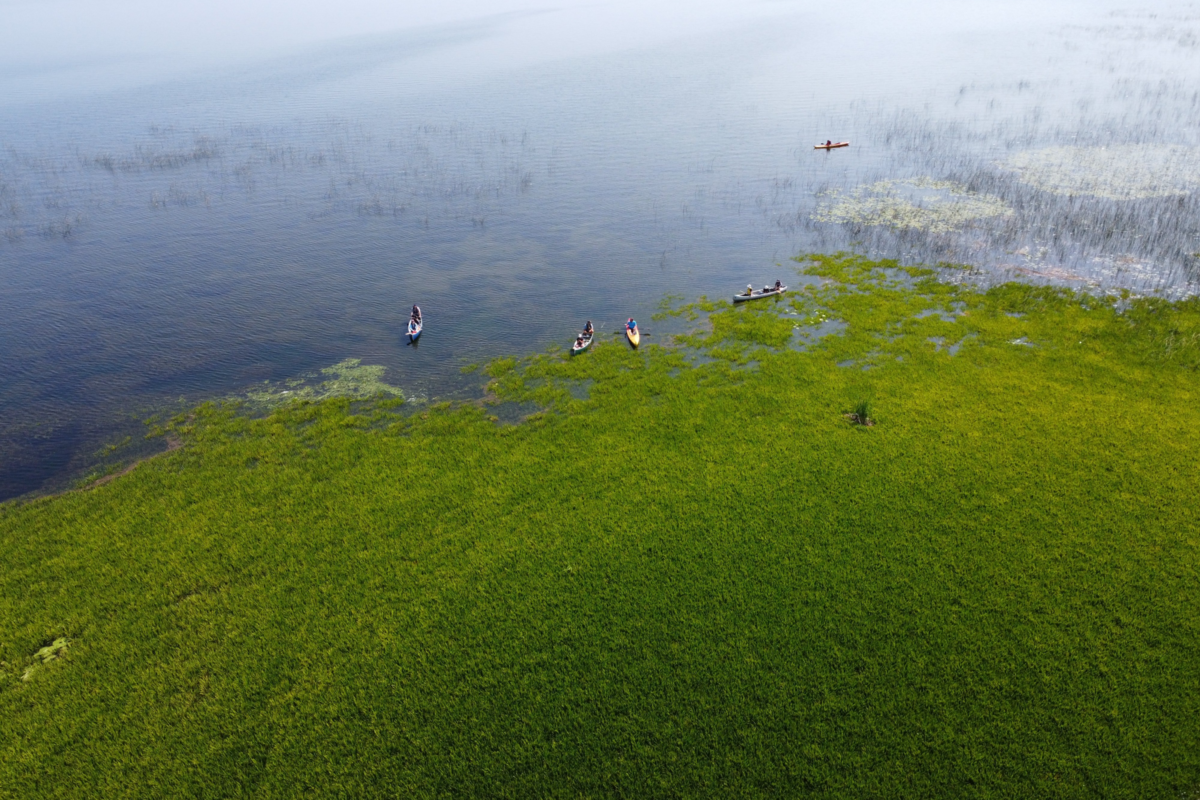
The largest population of water soldier in North America has been found in Lake Simcoe, as reported by the Invasive Species Centre.
NEWS RELEASE
INVASIVE SPECIES CENTRE
*******************
Residents and visitors are encouraged to assist in protecting Lake Simcoe from water soldier, a rapidly spreading invasive aquatic plant. Its tendency to expand quickly along shorelines and shallow areas can restrict activities like swimming, fishing, and boating. Additionally, it poses a risk to human health since the plant has sharp leaves that can cause cuts.
The water soldier population here is now the largest known in North America. Lake Simcoe is also the biggest inland lake in southern Ontario and serves as a crucial drinking water source for 500,000 people. Given how important both the infestation and the lake are, working together is vital for controlling and managing this issue while stopping further spread.
Since its first sighting in Cook’s Bay back in August 2024, the Lake Simcoe Water Soldier Working Group-a partnership of federal and provincial ministries, Indigenous groups, municipalities, conservation authorities, universities, and NGOs-has been focused on monitoring this infestation and creating a management plan.
“Monitoring and management planning efforts by the Working Group are ongoing, but preventing the spread of water soldier relies heavily on public action. Community members play a critical role,” says Colin Cassin, Invasive Species Centre Executive Director. “Report sightings and reduce the risk of further spread by cleaning, draining, and drying watercraft and equipment after use.”
How Community Members Can Help Prevent the Spread:
Clean, Drain, Dry your watercraft and equipment when you leave Lake Simcoe or any other body of water so you don’t accidentally transport water soldier or other invasive species. Even tiny fragments can be carried by boats or gear and create new infestations. Know how to identify water soldier and report any sightings you make. A good report includes where you saw it exactly along with photos if possible. Safely remove it if you find it. Check out Parks Canada’s See It, Pull It video to learn what tools you’ll need to carefully take out water soldier yourself. Make sure you follow the Prevention and Response Plan for Water Soldier so you’re meeting all management requirements during designated times for working in-water. If you’re disposing of water soldier plants properly is key. Toss them out with regular household trash or on dry land so that no part goes back into any body of water again. Avoid using water soldier for aqua-scaping purposes since it’s banned under Ontario’s Invasive Species Act; it’s illegal to import it or possess it here in Ontario.
Community members can find more information about water soldier prevention at www. invasivespeciescentre. ca/watersoldier
*******************
Source link