




Ontario Construction News staff writer
The City of Mississauga has put forward five projects seeking funding from the new Development Charges Reduction Program (DCRP). Being one of the first cities in Ontario to cut development charges, Mississauga has reduced rates by as much as 100 percent.
The DCRP plays a crucial role in the Canada-Ontario Partnership to Build. This initiative, totaling $8.8 billion, aims to boost housing supply. The program offers funding to municipalities that reduce development charges by at least 30 to 50 percent and advance projects that expedite the construction of new homes.
“We have been trailblazers in taking bold action to reduce development charges. It was necessary to get more homes built and make them more affordable,” said Mayor Carolyn Parrish. “We’re confident the projects we’ve put forward will receive funding. They support critical infrastructure that will drive growth in our city while creating broader benefits for the province as a whole.”
The five projects submitted include:
Transit maintenance and storage facility ($650 million)
A new zero-emission facility will assist Mi Way in transitioning its bus fleet to cleaner technology, increasing capacity and enhancing transit service. It will also support transit-oriented development by enabling around 9,900 new housing units by 2036.
Downtown transit mobility hub ($500 million)
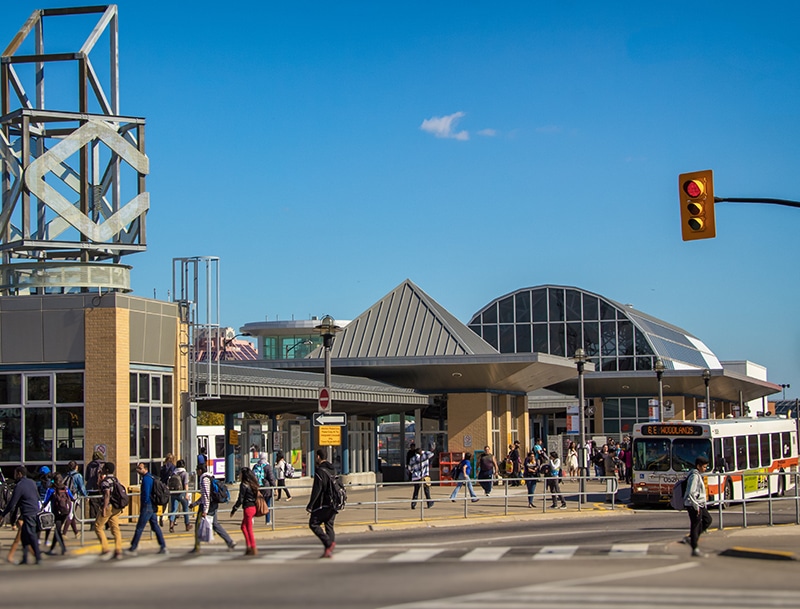
This project will enhance capacity at the City Centre Transit Terminal and prepare the network for future LRT ridership increases. It will improve connections and access to higher-order transit while facilitating higher-density housing in downtown areas. It’s expected to enable approximately 9,900 new housing units by 2036.
Library and community centre projects ($175 million each)
Two net-zero community centres and libraries – located in Mississauga Valley and Cooksville – will help broaden access to recreational activities and library services in some of the city’s fastest-growing neighborhoods. These initiatives ensure community infrastructure keeps pace with significant growth and development.
Housing-enabling road infrastructure ($175 million)
A series of road upgrades across key corridors throughout the city aim to enhance capacity and support growth. These investments also help unlock land for development. They’ll reduce congestion while connecting new communities with transit options and services. The project is projected to support around 9,000 new housing units over the next decade.
Downtown music and convention centre ($500 million)
This project is designed to stimulate growth by attracting investment while fostering a lively downtown area centered on transit accessibility. As a destination for both residents and visitors, this initiative makes it easier to accommodate higher-density housing alongside ongoing development efforts. It could facilitate up to 14,000 new housing units within the next ten years.
The proposed projects consist of various infrastructure enhancements aimed at supporting complete communities where homes, jobs, services, and transit work together.
Mississauga has launched several housing-focused measures intended to promote new developments while improving affordability standards. Guided by insights from the Mayor’s Housing Task Force report, highlights include:
Incentives for affordable rental housing: Increased funding for the City’s $70 million affordable rental housing program aimed at boosting construction of more affordable rental properties. Encouraging wider residential opportunities: The newly approved Mississauga Official Plan permits more than 370,000 additional residential units throughout the city by 2051. Support tools for homeowners adding units: Pre-approved garden suite plans simplify building backyard suites while grants are available through the City’s Gentle Density Incentive program encouraging second or third rental units within neighborhoods. Streamlining approval processes: Mississauga is making it easier for developers with simplified approvals geared toward faster delivery of homes including pre-zoning areas near major transit stations. Tax-relief incentives promoting rental development: A municipal tax rate reduction of 35 percent applies specifically for newly developed multi-residential properties.
If approved, this funding could cover up to 90 percent of eligible project costs allowing essential initiatives supporting housing expansion to move forward effectively. Such developments would create lasting advantages for both residents and businesses within Mississauga.
“Mississauga’s DCRP application is an important step in our ongoing approach to supporting housing growth while maintaining fiscal responsibility. By advancing a prioritized slate of infrastructure projects – from transit and roads to community and cultural spaces – we are positioning Mississauga to build complete, connected communities. Securing this funding would significantly offset project costs, reduce pressure on debt and reserves and help support investment, job creation and long-term prosperity in Mississauga.” – Marisa Chiu, Commissioner of Corporate Services, Chief Financial Officer and Treasurer
Source link