




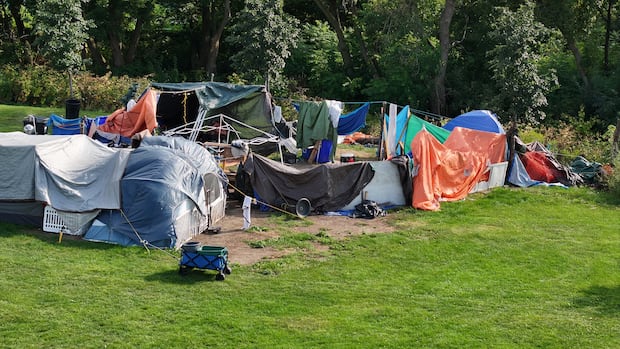
Homelessness in Hamilton has emerged as a significant issue during this municipal election, with both voters and candidates emphasizing its urgency.
According to the Financial Accountability Office of Ontario, homelessness is on the rise across the province. The report from September indicates an increase of over 23 percent in just four years, totaling more than 76,000 individuals. Furthermore, spending on homelessness is expected to decline, leading to projections of more than 88,000 people experiencing homelessness within three years.
As per the City of Hamilton’s housing and homelessness dashboard, there were 2,026 individuals without homes in September. This figure includes those who have interacted with the homeless-serving system at least once over the last three months.
This is a pressing concern for residents. CBC Hamilton conducted an online survey on Sept. 11 to ask voters about their key issues for the municipal election. While non-scientific, it provides insight into what matters most to respondents this election season. The survey was distributed online, shared via social media, and made available at various libraries and post-secondary institutions.
By Oct. 9, a total of 636 individuals had participated. Out of these responses, 193 highlighted homelessness and encampments as one of their top three concerns this election cycle-making it the leading choice.
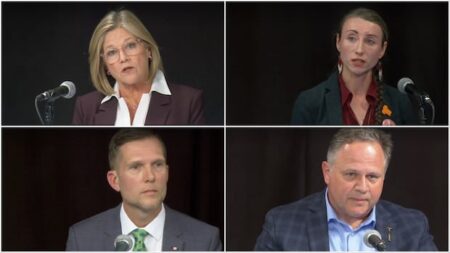
Throughout their campaigns, mayoral candidates have also engaged in discussions surrounding housing and homelessness. Keanin Loomis has committed to providing 5,000 affordable housing units while Rob Cooper aims to eliminate chronic street homelessness within four years. Andrea Horwath has pledged to take action on building affordable housing even if it faces opposition.
In a survey conducted by CBC Hamilton for all mayoral candidates regarding how they would enhance support for those facing homelessness-and people living with addiction-here are their responses listed alphabetically by candidate’s last name.
Sasha Austin
Sasha Austin, aged 47 and a lifelong resident of Hamilton who works as a patient navigator in various sectors like healthcare and social services said: “Implement healthcare hubs with wrap-around on-site care, utilizing city spaces and structures fully.”
Ejaz Butt
Ejaz Butt is a seasoned leader in the taxi industry at age 73 who has previously run for political office. He stated he would “declare a state of emergency with the help of upper levels of government. There will be a little human rights issue but [the] issue will be resolved quickly. Human life is more important than any criticism.”
David Mark Cherkewski
David Mark Cherkewski is an anti-poverty advocate who was formerly part of Ontario’s basic income pilot program but did not respond to CBC Hamilton’s survey.
Rob Cooper
Rob Cooper is currently serving as Ward 8 councillor after his election in 2025 at age 59; he describes himself as a chartered professional accountant with leadership experience from firms like Stelco and TD Bank.
He aims to “end chronic street homelessness in Hamilton within four years,” emphasizing that this requires “addressing the underlying causes of homelessness including addiction, mental-health challenges, and trauma.”
Cooper intends to “expand access to treatment recovery mental-health supports and supportive housing while demanding measurable outcomes from city-funded programs.” He believes we should invest in solutions that clearly assist individuals toward stability while reallocating funds when programs fail to yield results.
“It’s time to love people off the streets because if we love someone we won’t leave them on the street.”
Paul Fromm
Paul Fromm has been associated with white supremacist groups throughout his history but did not respond to CBC Hamilton’s survey.
Scarlett Gillespie
Scarlett Gillespie is an advocate for housing rights at age 33; she leads the Sex Workers’ Action Program Hamilton while also working as a researcher and community organizer alongside her background in personal support work and nursing.
She mentions having experienced homelessness herself which grants her unique insights into others’ situations.
“I would focus on getting people housed and helping them stay housed,” she stated.
“That means repairing and maintaining existing city-owned buildings; expanding deeply affordable supportive rent-geared-to-income co-op or non-profit housing; strengthening eviction-prevention resources; using public land effectively for housing.”
Regarding addiction support she endorses comprehensive care: outreach harm reduction mental health treatment options along with smoother transitions between services.
“Housing is essential for all these solutions,” she added.
“We should develop community-based crisis response teams so police aren’t always first responders during health or social crises; enforcing encampment regulations isn’t an alternative solution-it must be measured through improved housing stability.”
What matters most are fewer repeated crises.”..
..........