






August 1 is Food Day Canada, and this year’s focus is on local food literacy, which makes it a great time to think about Ontario’s food system.
About 60 percent of all food grown in Ontario is eaten right here in the province, largely because people are making a conscious choice to support local producers.
Food literacy means knowing where our food comes from. It should also encompass the many individuals, collaborations, and innovations that contribute to every meal grown in Ontario.
Satisfying the demand for locally grown fruits, vegetables, grains, and legumes involves much more than what most people realize.
Strengthening Our Food Systems
Strong food systems don’t just happen on their own. Issues like climate change, threats to animal health, and disruptions in supply chains can put pressure on Ontario’s food system every day.
A resilient food system relies not only on our amazing local farmers and processors but also on research, innovation, talent development, and teamwork.
This requires knowledge in areas such as food safety, veterinary medicine, crop research, and greenhouse technology among others.
Read Also
This broad range of expertise is what the University of Guelph brings alongside its partners with backing from the Ontario Agri-Food Innovation Alliance-a partnership between the Government of Ontario, University of Guelph, and industry collaborators.
Importance of Research at University
One area where U of G excels is plant breeding.
To enjoy locally sourced foods, we first need to create strains and varieties suited to Ontario’s unique climate and soil conditions. Plant breeding allows us to do just that while directly benefiting farmers who need disease-resistant crops with high yields for consumers’ needs.
This work requires scientific knowledge in genetics and biotechnology-fields that are highly developed at the university. The process demands precision that can take years or even decades. However, the benefits make it worthwhile. U of G researchers produce around 150 new varieties annually; many end up on store shelves both locally and globally.

Jay Subramanian (center), professor from the Ontario Agricultural College Department of Plant Agriculture who created the Vee Blush peach variety. Photo: Diana Martin
Developing New Peach Varieties
Consider Jay Subramanian’s success with peach breeding. Working with industry partners like the Tender Fruit Marketing Board and Niagara Peninsula Fruit & Vegetable Growers’ Association since 2003 has led him to develop eight new cold-hardy peach varieties resistant to diseases.
The Vee Blush variety released in 2013 was crucial when local growers needed an alternative after a major peach canning facility closed down in Niagara back in 2008. Such breeding efforts provide a cushion for producers during industry shifts so they can adapt successfully.
Boosting Asparagus Production
Asparagus has also gained from research at U of G.
The work done by David Wolyn on developing the Guelph Millennium asparagus variety made a significant difference. Twenty-six years ago growers had trouble maintaining consistent high-quality asparagus production over time. American varieties would only thrive for a few seasons before yielding less quality produce here. The Guelph Millennium not only produces consistently high yields but some plantings have lasted up to 18 years or more; now it represents over 90 percent of asparagus farmland across Ontario!
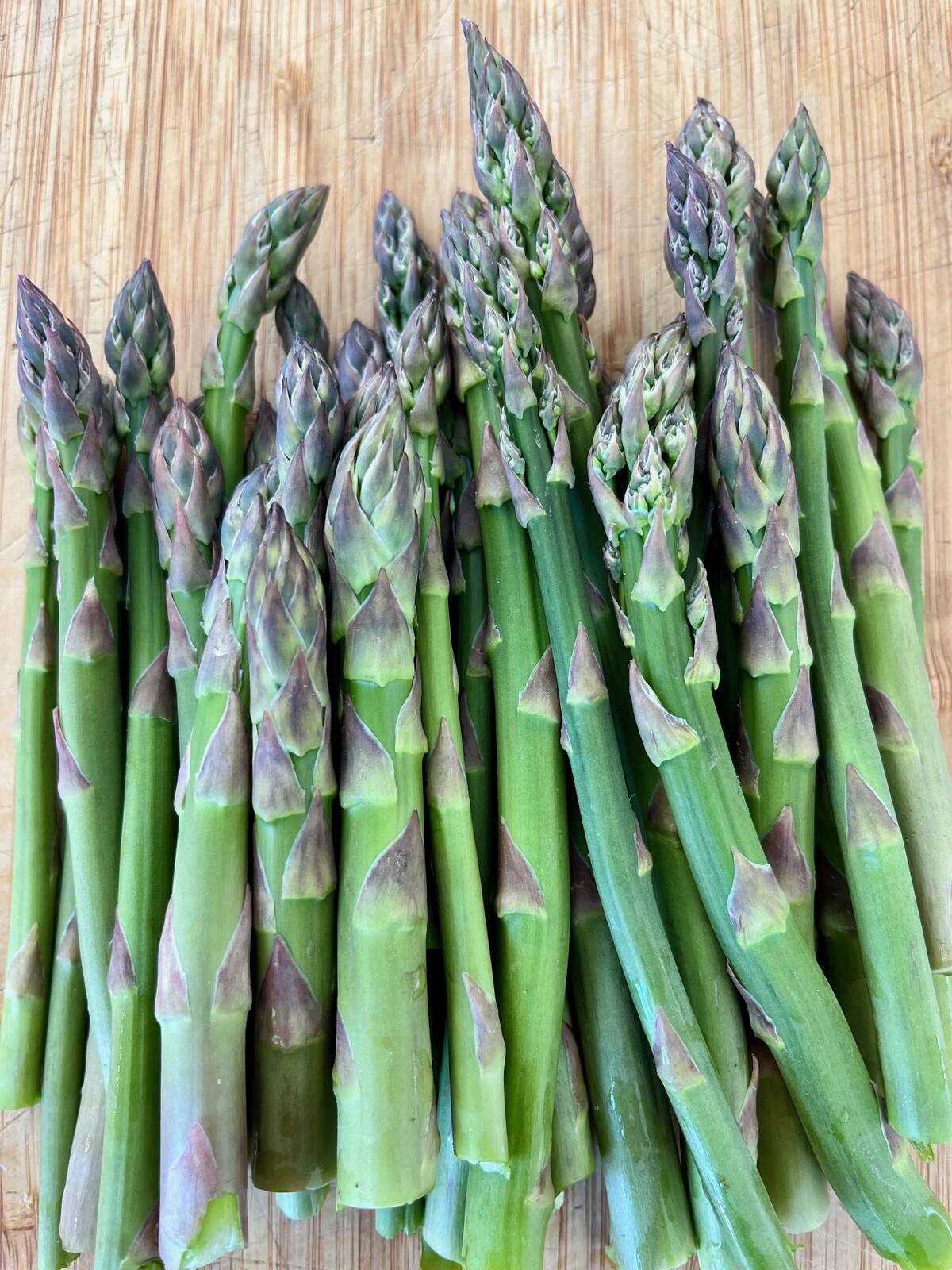
Rebecca Hallett serves as associate vice president for Research (Agri-Food Partnership) at University of Guelph. Photo: University of Guelph Asparagus cultivated within Ontario benefits significantly from research conducted at University.
Advancements In Processing
Breading isn’t just beneficial for fresh produce growers; it plays an essential role for processors too. Steve Loewen’s efforts focused on creating tomato lines specifically tailored for quality processing have been vital within this sector. Coming from a family with generations involved in growing processing tomatoes allowed him insight into how weather variations could disrupt harvests quickly. By producing lines best suited for unpredictable weather patterns found throughout Ontario-with help from organizations like Ontario Processing Vegetable Growers-his initiatives ensure successful growth cycles supplying canned products widely enjoyed by consumers everywhere!
Looking Ahead For Our Food Supply
With new challenges arising daily affecting both production methods as well as processing capabilities protecting what sustains our food future calls upon continued investments towards advancing science behind agriculture’s foundation along with nurturing skilled professionals contributing their talents into building robust solutions together! This collaborative spirit established through programs like those offered by U OF G supported by alliances ensures we will continue meeting Ontarians’ desires – providing safe trustworthy foods cultivated right here close-to-home!
Source link