




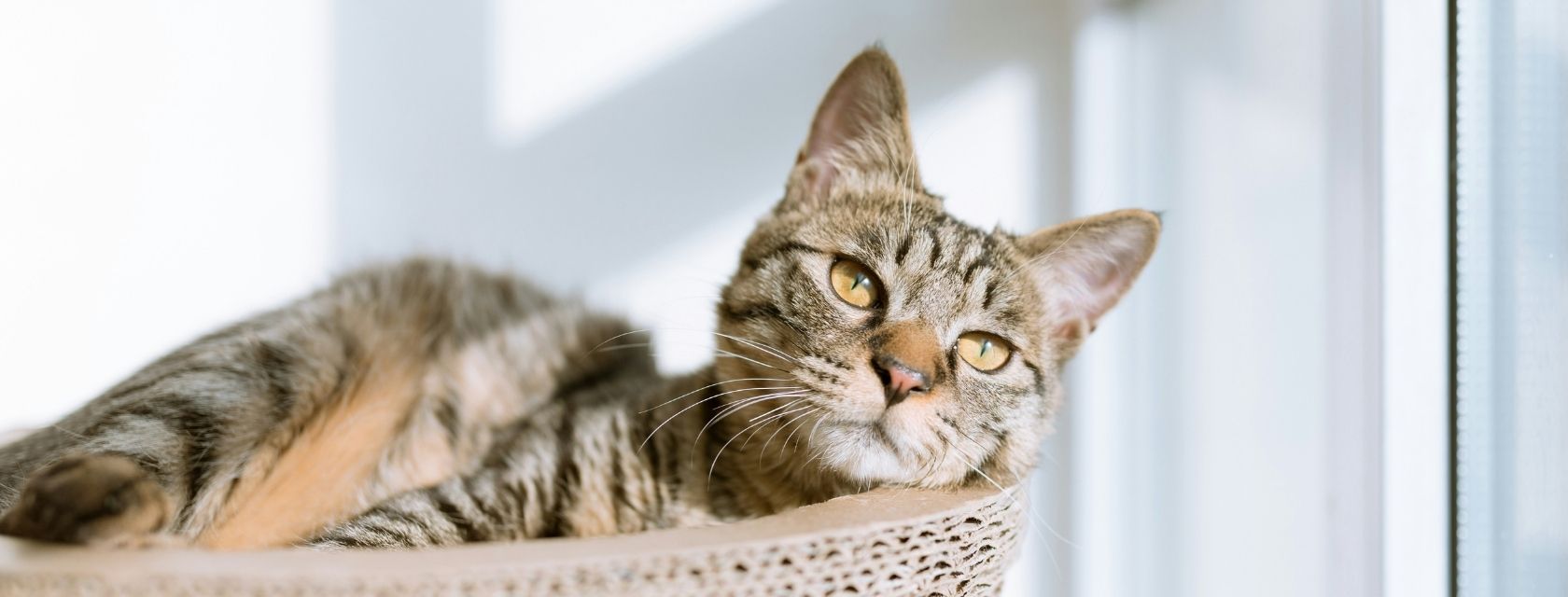
A groundbreaking study on cat cancers reveals unexpected links to human cancers, suggesting potential new treatments for various species.
Dr. Geoffrey Wood
Researchers now say the genetics of cat tumors are no longer a “black box,” thanks to a significant study that stands out as one of the largest advancements in feline cancer research.
in the journal Science, this study is the first large-scale genetic profiling of cat cancers. It could enhance our understanding of cancer in both humans and animals, providing a freely accessible resource for other scientists focused on feline cancer genetics.
Cancer ranks among the top causes of illness and death in cats.
However, it has been relatively under-researched, according to Dr. Geoffrey Wood, a pathobiology professor at the University of Guelph and co-senior author of this international study.
“Despite domestic cats being common pets, there was very little known about the genetics of cancer in these animals,” Wood says, “until now.”
Genes Linked to Cancer Show Similarities Across Species
By analyzing tumor samples from nearly 500 domestic cats across five countries, researchers investigated the genetic alterations responsible for cancer development in felines and discovered many similarities with those found in human and canine cancers.
Mutations in the gene FBXW7 are observed in both cat and human breast cancers
They pinpointed specific driver genes that contribute to certain types of cancers, including aggressive mammary tumors.
FBXW7 was identified as the most prevalent driver gene in cat mammary cancer. More than 50 percent of cat tumors showed mutations in this gene.
In humans, mutations within the FBXW7 gene linked to breast cancer have been associated with poorer outcomes-mirroring what is seen in cats.
Similarities with human driver mutations were also noted across blood, bone, lung, skin, gastrointestinal, and central nervous system tumors.
Since cats face many environmental cancer risks similar to those their owners encounter, some causes may overlap.
“This study can help us understand more about why cancer develops in cats and humans, how our environment affects cancer risk, and possibly discover new prevention and treatment methods,” Wood explains.
To their excitement, researchers found that certain chemotherapy drugs worked better on cat mammary tumors with mutated FBXW7 genes. Though only observed in tissue samples so far, this discovery might pave new paths for treating breast cancer across different species.
“Having access to such a large set of donated tissues allowed us to assess drug responses across tumor types,” states Dr. Sven Rottenberg from the University of Bern. “This hasn’t been possible at such scale before.”
Bailey Francis from the Wellcome Sanger Institute adds that this research could also benefit dogs.
“When knowledge and data flow between different disciplines, we can all gain advantages.”
‘One Medicine’ Approach Encourages Interdisciplinary Research
Working together with teams from Wellcome Sanger Institute , U of G’s Ontario Veterinary College , University of Bern , among others , researchers sequenced DNA from tissue samples previously collected by veterinarians for diagnostic reasons. p >Results from domestic cat cancer clinical trials could be used to inform human clinical trials , researchers say
The findings suggest that therapeutic approaches used for humans could be tested on cats; similarly , insights gained from feline clinical trials may guide human studies. p >
This concept is referred to as One Medicine approach , promoting two-way exchanges between medical fields aimed at enhancing health outcomes for both humans and animals. p >
Dr. Louise Van Der Weyden , senior author at Wellcome Sanger Institute , highlights future research opportunities. p >
“We can now begin taking steps towards precision oncology specifically tailored for felines so they can catch up with existing diagnostic options available for dogs suffering from similar illnesses-and ultimately bring benefits someday even to humans.” p >
This research received partial funding from Every Cat Health Foundation , CVS Group , Wellcome Trust , Natural Sciences & Engineering Research Council Canada along with Swiss National Science Foundation. A complete acknowledgment list can be found within publication details. p >
Source link