


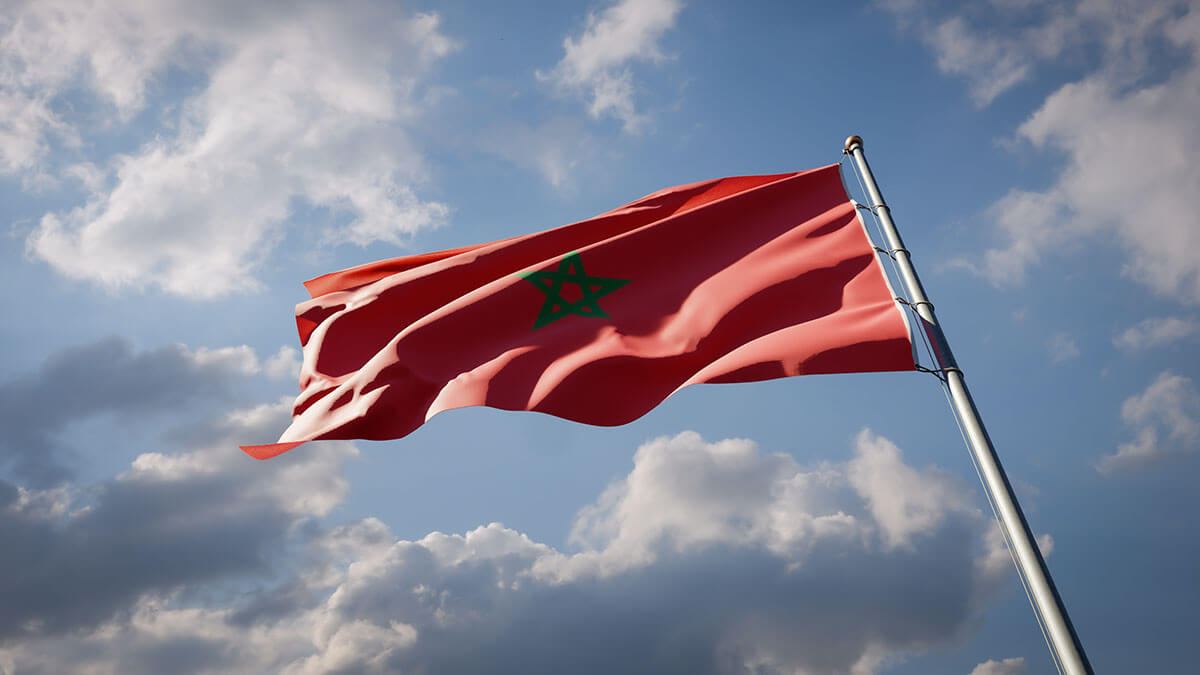
Canada has quietly taken a stance in the discussion about Western Sahara. The meeting between Foreign Minister Anita Anand and her Moroccan counterpart Nasser Bourita highlights an important detail: Ottawa sees Morocco’s Autonomy Plan as a “serious and credible” way to address the long-standing conflict while still keeping its foreign policy cautious.
While Canada stops short of recognizing sovereignty – which is a much bigger legal and political step – it positions the Moroccan proposal at the forefront of international diplomacy. This marks a significant advancement that, while staying true to tradition, emphasizes the increasing perception of this plan as the most practical foundation for finding a solution.
Ottawa insists on keeping a multilateral approach. The Government emphasizes that any resolution must come from the UN-led process and require agreement from all parties involved. The idea of a “mutually acceptable solution” remains key, though in practice, the Moroccan plan is increasingly viewed as a starting point for meaningful negotiations.
Anita Anand, Minister of Foreign Affairs – PHOTO/X/CANADIAN MINISTRY OF FOREIGN AFFAIRS
The official statement reflects this balance. “Canada considers the Moroccan Autonomy Plan to be a serious and credible basis for a lasting solution,” it states, adding support for “the United Nations’ efforts to achieve a just, lasting and mutually acceptable political resolution.” This careful wording reinforces Rabat’s proposal’s centrality.
In Morocco, the meaning is clearer. Diplomatic circles interpret these positions as growing support for its strategy and an implicit acknowledgment of its initiative’s legitimacy. The fact that Canada has adopted this language strengthens the belief that the autonomy plan has become a key reference point internationally.
These differing interpretations don’t imply contradiction but highlight nuances. For Canada, it’s seen as groundwork for negotiation; for Morocco, it’s seen as increasing political backing. Both perspectives ultimately point toward similar conclusions.
The Western Sahara issue has lacked clear resolution for years, with the UN-led process moving slowly without real results. In this situation, Morocco’s proposal continues to gain traction-not only because there are no effective alternatives but also due to its structured nature providing concrete political direction.
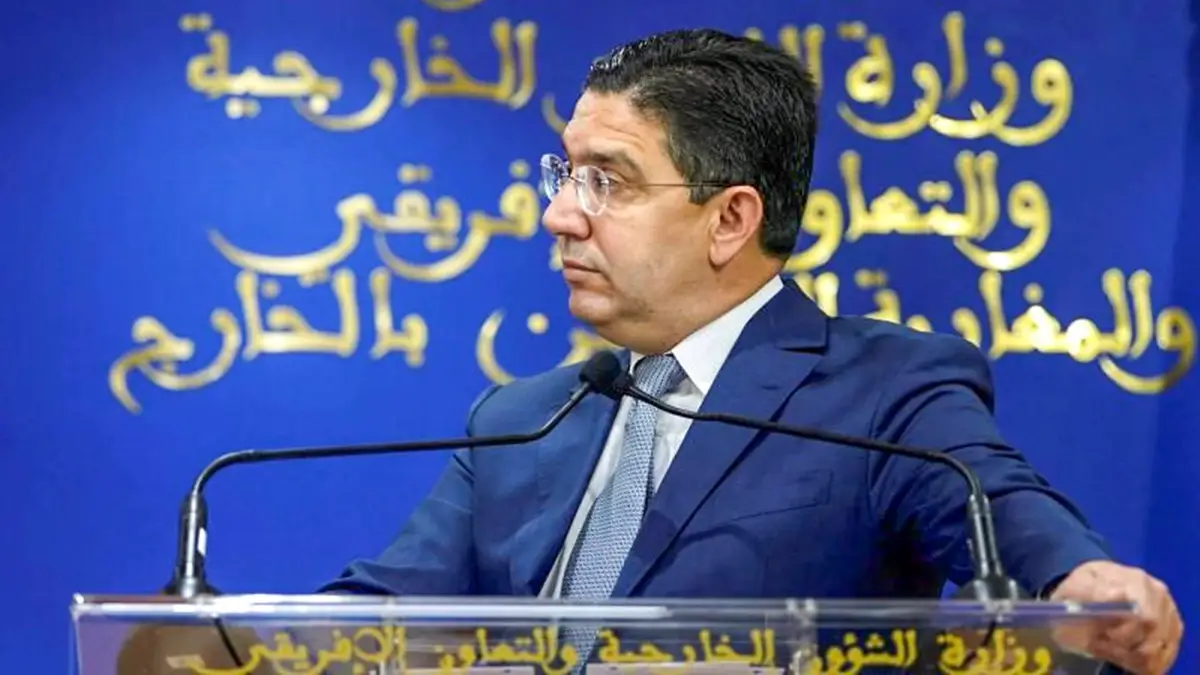
Morocco’s Minister of Foreign Affairs, Nasser Bourita, listens during a press conference at the Ministry of Foreign Affairs in Rabat
This doesn’t mean that everything has shifted entirely. The Polisario Front remains dedicated to pursuing a referendum on self-determination with Algeria’s support continuing to complicate swift resolutions. There remains quite a gap between both sides.
Nonetheless, there’s been an evident shift in tone among several Western nations. More countries are describing Morocco’s plan similarly to how Canada does now-this helps solidify it as one of the most practical options given today’s global context.
In light of this situation, Ottawa seems to have chosen to subtly adjust its stance without making bold moves but with clear intent. There’s no break from traditional views; instead, there’s an ongoing shift towards understanding this conflict more realistically.
The dialogue between Anita Anand and Nasser Bourita doesn’t change everything right away but confirms an underlying trend: support for Morocco’s autonomy plan keeps growing and appears poised to become central in shaping future solutions for the Sahara conflict.
Source link