
The City of Brampton is requesting nearly $28 million from the province to fund road safety initiatives such as speed bumps and signage to replace the now-banned automated speed cameras.
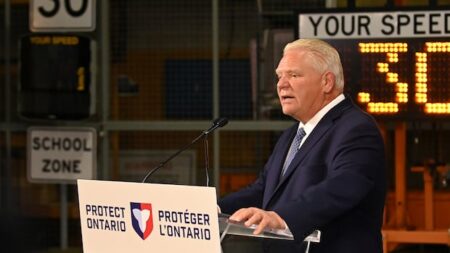
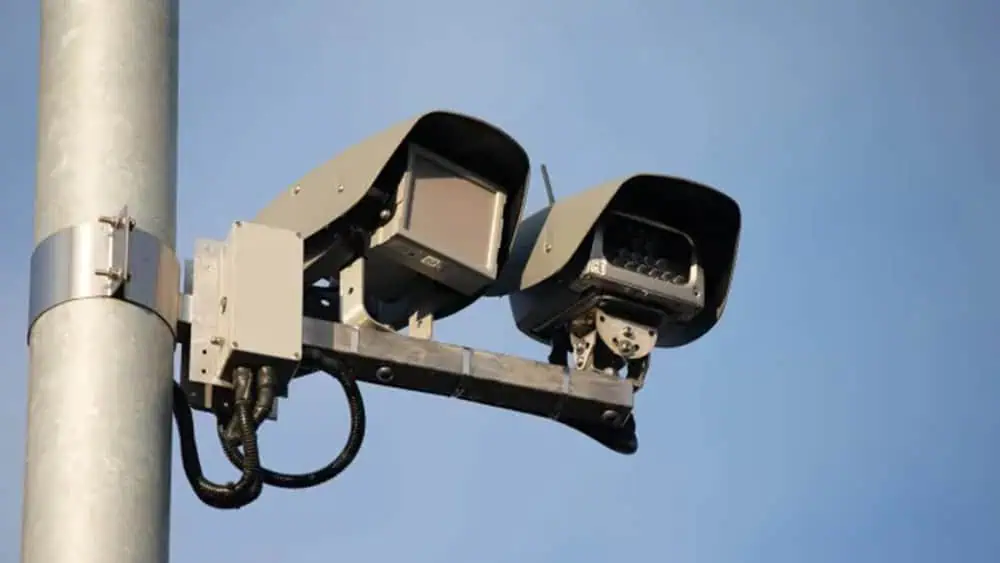
Automated Speed Enforcement (ASE) cameras were banned across Ontario in November, with Premier Doug Ford labeling the system “a money grab,” even though data from Brampton City Council indicated that the program led to slower driving habits.
The program was terminated just weeks after Brampton completed a lengthy expansion of its ASE initiative in favor of large illuminated road signs and “traffic calming projects,” including speed bumps.
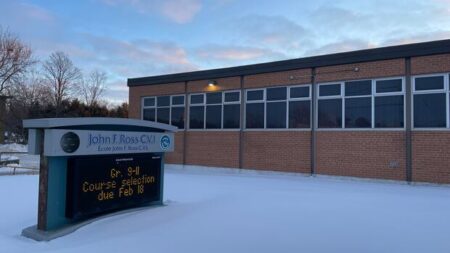
Ontario has already provided nearly $7 million to the city through the Road Safety Initiative Fund, and city officials have evaluated 141 school zone locations across Brampton for new signage and speed cushion designs, according to a city report.
More than 30 of these school zones will feature oversized signage, with 30 out of approximately 400 signs having been installed as of April 24. The maintenance cost for these large signs is estimated at about $12,400 annually, according to the report. Additionally, around 80 new speed cushions are set to be added in Brampton’s school zones.
However, the city is asking for an additional $27.96 million from the province “for other traffic calming implementations, including pilot opportunities for emerging school-zone safety technologies.”
One proposed pilot could introduce high-visibility LED crosswalks like those created by Canadian company Smart Crossing into Brampton.
The city staff have been directed to investigate the possibility of installing in-ground light-up crosswalks in Brampton, with early estimates placing each new crosswalk’s cost between $60,000 and $160,000.
This pilot project might allow one high-visibility crosswalk in each pair of wards within Brampton if area councillors request it.
City reports showed that the ASE program resulted in an average speed reduction of 9.33 km/h at locations where cameras were installed in Brampton. Five zones experienced reductions exceeding 20 km/h, with North Park Drive west of Massy Street seeing an impressive average drop of 25.39 km/h.
Even though the cameras are no longer operational for tracking speeding vehicles, the city is looking into ways to “repurpose” existing ASE infrastructure “to support alternate road and community safety initiatives,” such as converting them into red-light cameras or adding “vehicle noise monitoring technology.”
INsauga’s Editorial Standards and Policies
Last 30 Days: 39,127 Votes
All Time: 1,313,292 Votes
2349 VOTES
Source link
Source link