



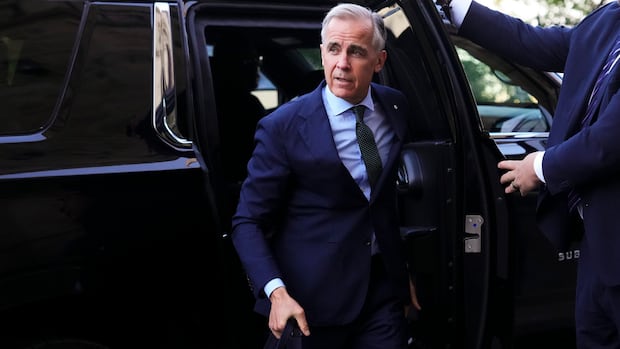
Prime Minister Mark Carney states that the House of Commons won’t get involved in Alberta’s upcoming referendum question that could lead to a vote on whether the province should separate from Canada.
Last week, Alberta Premier Danielle Smith promised that her province would hold a referendum in October essentially asking voters if they want a second binding referendum on separation at a later date.
Carney mentioned on Tuesday that he has been informed the federal law granting the House of Commons an oversight role regarding a separation referendum hasn’t been activated by this proposed question.
“I just heard from the council of experts on the applicability of the Clarity Act and it does not apply on the question in Alberta,” Carney said in French during question period.
The federal Clarity Act, passed in 2000, states that the House of Commons must determine if a proposed separation question can provide a clear indication of a province’s desire to separate from Canada.
If the House decides that a question isn’t clear, then the federal government cannot negotiate secession with that province, no matter how the vote turns out.
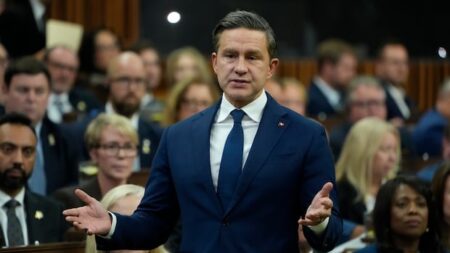
Carney’s remarks regarding the Clarity Act came after Bloc Québécois MP Christine Normandin asked him about it. Normandin and her party believe that the federal government shouldn’t formally involve itself in Alberta’s referendum.
WATCH | Carney on Alberta’s ‘dangerous bluff’: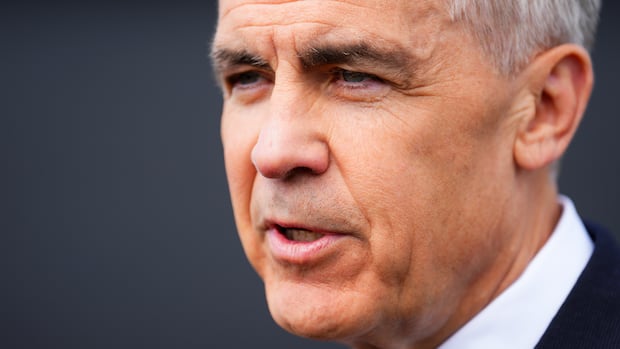 Carney says Alberta separation question is a ‘dangerous bluff’
Prime Minister Mark Carney indicated that Alberta’s separation inquiry won’t ease future negotiations. He referred to what happened in the United Kingdom: ‘they’re still, 10 years later, trying to undo what people didn’t think they were voting for,’ he said.
Normandin told reporters on Monday that she feels like the Clarity Act treats provinces with “disdain.”
“Being from the nation of Quebec, I should have no say on how Albertans will decide. It’s only up to them. The same way it will be up to Quebecers to decide on their future without any say from [the federal government],” she said.
Bloc MP Rhéal Fortin followed up Normandin’s Tuesday question for Prime Minister Carney by calling for outright repeal of the Clarity Act.
After Quebec’s 1995 separation vote, Ottawa asked Canada’s Supreme Court for guidance regarding provinces leaving Confederation. The court ruled in 1998, leading Parliament to pass the Clarity Act shortly after.
This court case and act arose after debates over whether or not Quebec’s 1995 referendum posed a clear enough signal indicating its intention to leave Canada. That vote asked Quebecers if they wanted their province to become sovereign only “after having made a formal offer to Canada for a new economic and political partnership.”
The ballot question being posed in Alberta this fall will be: “Should Alberta remain a province of Canada or should the Government of Alberta commence the legal process required under the Canadian Constitution to hold a binding provincial referendum on whether or not Alberta should separate from Canada?”
Carney says Alberta separation question is a ‘dangerous bluff’
Prime Minister Mark Carney indicated that Alberta’s separation inquiry won’t ease future negotiations. He referred to what happened in the United Kingdom: ‘they’re still, 10 years later, trying to undo what people didn’t think they were voting for,’ he said.
Normandin told reporters on Monday that she feels like the Clarity Act treats provinces with “disdain.”
“Being from the nation of Quebec, I should have no say on how Albertans will decide. It’s only up to them. The same way it will be up to Quebecers to decide on their future without any say from [the federal government],” she said.
Bloc MP Rhéal Fortin followed up Normandin’s Tuesday question for Prime Minister Carney by calling for outright repeal of the Clarity Act.
After Quebec’s 1995 separation vote, Ottawa asked Canada’s Supreme Court for guidance regarding provinces leaving Confederation. The court ruled in 1998, leading Parliament to pass the Clarity Act shortly after.
This court case and act arose after debates over whether or not Quebec’s 1995 referendum posed a clear enough signal indicating its intention to leave Canada. That vote asked Quebecers if they wanted their province to become sovereign only “after having made a formal offer to Canada for a new economic and political partnership.”
The ballot question being posed in Alberta this fall will be: “Should Alberta remain a province of Canada or should the Government of Alberta commence the legal process required under the Canadian Constitution to hold a binding provincial referendum on whether or not Alberta should separate from Canada?”
Source link
Carney says Alberta separation question is a ‘dangerous bluff’
Prime Minister Mark Carney indicated that Alberta’s separation inquiry won’t ease future negotiations. He referred to what happened in the United Kingdom: ‘they’re still, 10 years later, trying to undo what people didn’t think they were voting for,’ he said.
Normandin told reporters on Monday that she feels like the Clarity Act treats provinces with “disdain.”
“Being from the nation of Quebec, I should have no say on how Albertans will decide. It’s only up to them. The same way it will be up to Quebecers to decide on their future without any say from [the federal government],” she said.
Bloc MP Rhéal Fortin followed up Normandin’s Tuesday question for Prime Minister Carney by calling for outright repeal of the Clarity Act.
After Quebec’s 1995 separation vote, Ottawa asked Canada’s Supreme Court for guidance regarding provinces leaving Confederation. The court ruled in 1998, leading Parliament to pass the Clarity Act shortly after.
This court case and act arose after debates over whether or not Quebec’s 1995 referendum posed a clear enough signal indicating its intention to leave Canada. That vote asked Quebecers if they wanted their province to become sovereign only “after having made a formal offer to Canada for a new economic and political partnership.”
The ballot question being posed in Alberta this fall will be: “Should Alberta remain a province of Canada or should the Government of Alberta commence the legal process required under the Canadian Constitution to hold a binding provincial referendum on whether or not Alberta should separate from Canada?”
Source link