




Ontario is projected to lose over a third of its international student population due to the federal government’s cap on student permits, according to early estimates from Statistics Canada.
A report released on Tuesday indicated that the measures introduced by the federal government regarding student caps – announced in January 2024 – resulted in a “sharp decline” in new international students coming to Canada, although overall enrolment experienced a more gradual decrease.
Ontario is expected to be hit hardest, potentially losing 92,000 full-time international students at public post-secondary institutions for the 2025-26 academic year.
This cap was originally intended to remain for two years; however, the federal government has now outlined plans for continued reductions in international student admissions, aiming for 155,000 students in 2026 and further cuts to 150,000 in both 2027 and 2028.
Prior to this permit cap, Ontario had the highest number of international students across Canada, as per Statistics Canada data.
The agency reported that it based its estimates on national survey data from post-secondary institutions along with administrative information from Immigration, Refugees and Citizenship Canada (IRCC) and the Canada Revenue Agency.
International Student Calls Out Government Messaging
Amir Moghadam, an international Ph D student at the University of Toronto, shared that he chose Canada because of its friendly environment for students.
However, given the current messaging from the federal government alongside this report, Moghadam mentioned “that might not be the case anymore.”
WATCH | Federal government may have stopped too many students from coming to Canada: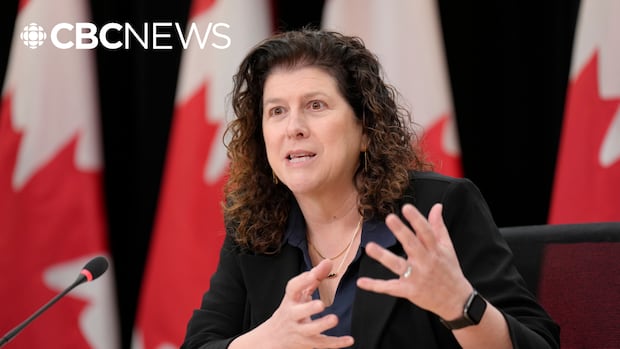
International student cuts greater than expected: Auditor General
The auditor general states that Ottawa may have turned away too many international students. Two years back, Ottawa pledged to reduce numbers citing pressures on housing and healthcare while raising concerns about certain post-secondary schools taking advantage of students. The CBC’s Katie De Rosa discusses the impact on B. C.
“I think everyone will agree that the number of international students in Canada got out of control,” he remarked but pointed out they weren’t at fault.
“They were just caught in this perfect storm that they had no part in creating,” he stated while referring to rising living costs and underfunding within post-secondary education.
“International students were used as a revenue stream and when political tides changed, they became scapegoats.”
The government explained it enforced this cap as a means to alleviate pressure on housing as well as address worries about exploitation of students by some post-secondary institutions.
Sector Already Struggling Before Permit Changes: Union Leader
Jeff Brown, a professor at George Brown Polytechnic who also serves as lead faculty union steward for his college, commented that these changes wouldn’t have had such a drastic impact if “the system weren’t already starved.”
Brown mentioned faculty and staff have been raising alarms over funding shortages in higher education “for years.”
“International students contribute significantly to our college community; they should be included but not as substitutes for proper funding.”
WATCH | Underfunding in Ontario colleges: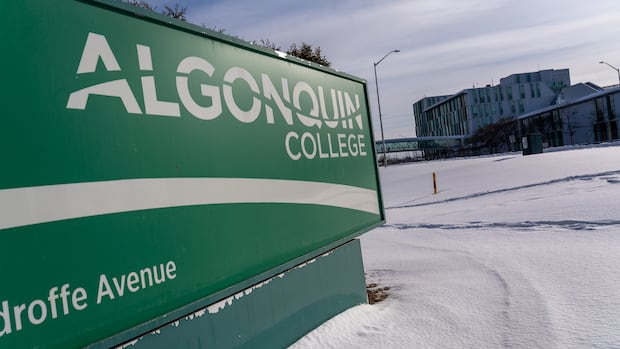
Colleges across Ontario are making drastic cuts p >Algonquin College in Ottawa reports that programs meant for domestic students aren’t “financially viable.” CBC’s Kate Porter explores how reliance on international tuition grew amid decades-long underfunding across colleges.
Rob Kristofferson, president of the Ontario Confederation of University Faculty Associations expressed he wasn’t surprised “at all” by these preliminary findings. p >
“I think it’s slightly worse than we anticipated… our global reputation has declined sharply as an educational provider,” he stated. p >
Kristofferson noted universities leaned towards enrolling international students to cover funding gaps since these individuals could pay up to six times more than local counterparts for tuition fees. p >
“We require strong public funding to elevate our university system back where it needs to be; then we need careful strategies around re-engaging with international learners while offering them top-notch education which Ontario universities are known for.” p >
Source link