



Windsor Morning10:04Just ahead of kindergarten open houses, we look at the new curriculum coming for youngest students in September
If you have a preschooler in Windsor-Essex, there are some important dates approaching on your calendar.
Later this month, many local schools will hold kindergarten open houses. Registration for kindergarten will also take place.
The open houses offer families an opportunity to learn what to expect when September arrives. This year, that includes updates about how and what kindergarten students will be taught.
The province’s revised curriculum changes were announced in December. It marks the first major update in ten years. Former Education Minister Stephen Lecce has called it a return to “basics.”
This announcement raised concerns among some teachers and the opposition NDP regarding a perceived move away from “play-based” learning towards a stronger emphasis on “academic rigor” for four- and five-year-old children.
The release came shortly after Ontario shared the latest EQAO results showing that 64 percent of Grade 3 students and 51 percent of Grade 6 students met the provincial standard for math.
At first glance, it seems like the new curriculum suggests going back to older teaching methods. However, representatives from both the Windsor-Essex Catholic District School Board (WECDSB) and Greater Essex County District School Board (GECDSB) argue that’s not entirely true.
Source link
‘Heart of kindergarten remains the same’
Raquel Roberts is a superintendent of education with GECDSB who oversees curriculum matters. She explains that what’s being introduced is “child-centred” and isn’t too different from what currently exists. Roberts adds it will lead to clearer learning expectations for teachers while noting that “the heart of kindergarten remains the same,” she told CBC Radio Windsor Morning host Amy Dodge on Wednesday. “The feel and what we will see and what we’ll hear in the classroom – that joyful noise – will continue,” said Roberts. “There will still be learning through play and inquiry. You’ll still see teachers reading with students, books, blocks, play materials for our youngest learners. But particularly the preciseness of the curriculum will be tighter … and more explicit for the educator.” According to Roberts, feedback from those she’s talked to within the public school board has been “very positive.” “Actually, I think there was a little disappointment and feeling a little defeated that it wasn’t released last year.”Tweaks in Language and Math
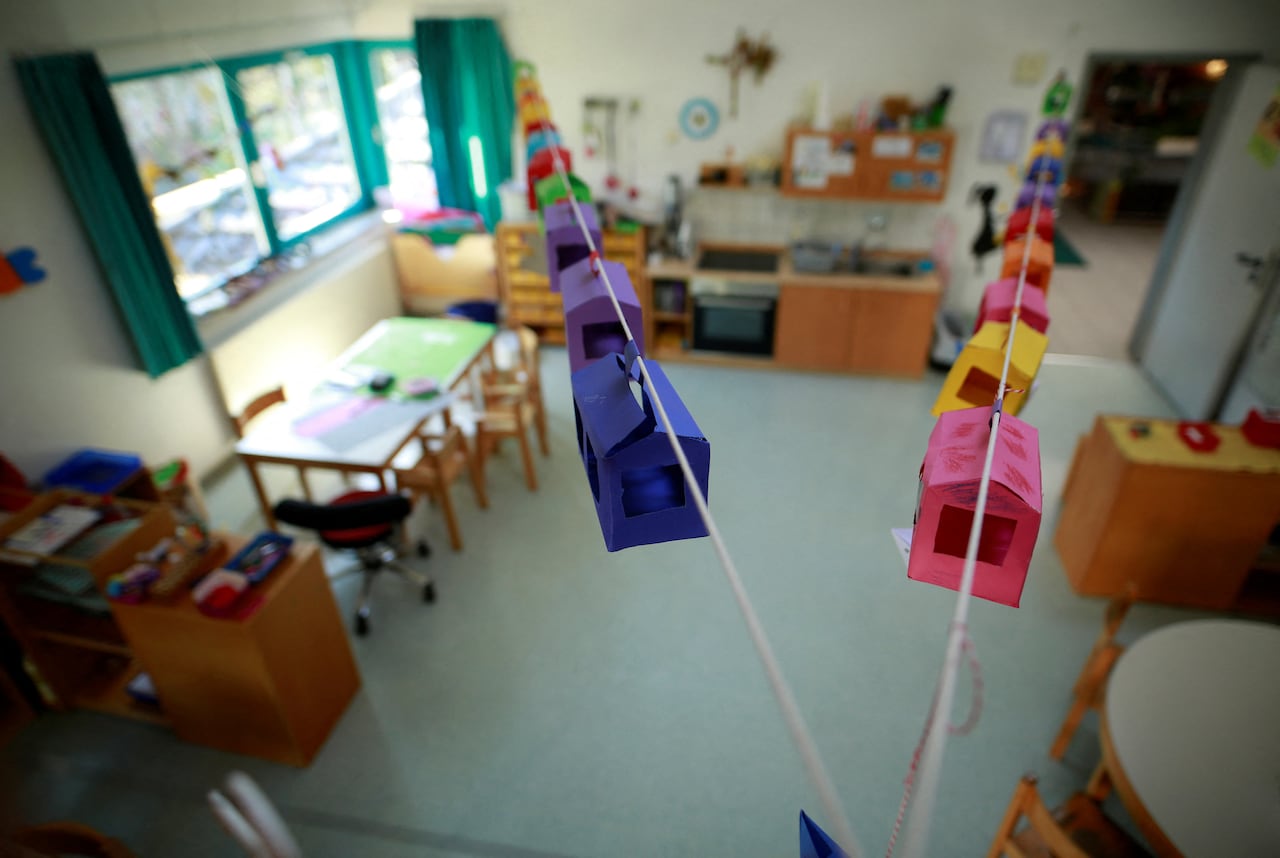
Tara Bissonnette is an Early Years Consultant with the Catholic school board in Windsor-Essex. She mentioned during Windsor Morning that many language-related changes have already been put into practice. “Although we are going to be teaching phonics for a part of the day … we are still going to be embedding all of that beautiful learning through that play base and inquiry environment where students are able to work on their socialization skills, problem solving,” said Bissonnette. Ontario’s latest EQAO results showed 64 percent of Grade 3 students and 51 percent of Grade 6 students achieved scores that met the provincial standard for math. (Thilo Schmuelgen/Reuters) Regarding math, she says expectations have been updated – including incorporating fractions into lessons. “It’s called equal share. If you have four stickers and you want to share with two friends, how many stickers will those friends receive? That’s kind of that whole piece behind fractions.” Kindergarten kids will also need to write numbers up to 20 instead of just stopping at ten, she notes. “It is around that direct instruction that we will teach students those skills in a whole group or small group setting, and then also give them opportunity to apply those skills in that play-based and inquiry-based environment.”Source link


