


A woman claiming gender discrimination by York Regional Police is barred from discussing her settlement terms at the Human Rights Tribunal of Ontario. This restriction is seen by transparency advocates as a way to protect public institutions from being held accountable.
In her complaint filed in 2024, Jeanie Mc Kay says she was repeatedly sexually assaulted by her high school music teacher during the 1980s.
She approached the tribunal arguing that York police discriminated against her when she reported this historical abuse.
“If I was a boy, the police investigation would have happened,” said Mc Kay.
Her human rights claim requested that the York police initiate a criminal investigation and establish a policy along with training on how to support female survivors of historical sexual abuse. She also sought $100,000 for harm to her dignity.
In response, York police denied any wrongdoing by their officers when Mc Kay reported the alleged crime in 2023.
“I wanted them to charge him criminally. I wanted them to use laws that were in effect at the time,” said Mc Kay.
That didn’t occur.
The provincial organization Tribunals Ontario, which oversees various tribunals including human rights matters, confirmed there was a settlement reached in late 2025. However, due to a confidentiality agreement, it’s likely that the public will never learn about the settlement’s details or whether any changes were mandated for the police force.
This lack of accountability is troubling for those seeking answers from public institutions, according to Julie Macfarlane, director of Can’t Buy My Silence Canada. This group aims to end the misuse of non-disclosure agreements (NDAs) that cover up misconduct like sexual abuse.
Macfarlane highlights that most tribunal cases conclude with settlements and many include NDAs.
“If we don’t know what’s inside the agreement, nobody can actually monitor or evaluate whether it happens,” said Macfarlane, who is also a professor emeritus at the University of Windsor. “Everything that’s in the agreement is secret, and that means that effectively it’s completely toothless in terms of creating any kind of systemic change.”
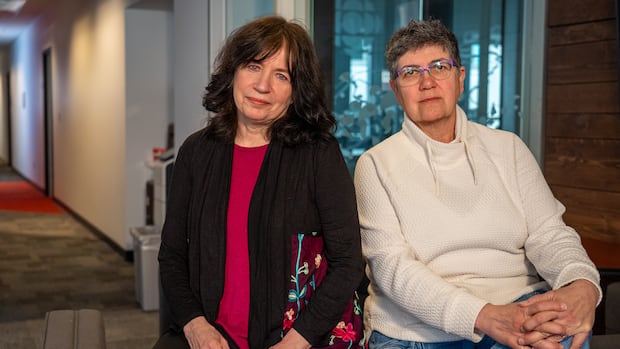
Now retired from teaching, Jeanie Mc Kay had hoped for an investigation into her past sexual assault claims by York Regional Police Service. (Julie Ireton/CBC)
The claim
At just 15 years old in the early 1980s, Jeanie Mc Kay became involved in a sexual relationship with Douglas Walker, her music teacher from Markham, Ont., which lasted two years.
She made reports to law enforcement in both 1998 and 2023; however, Walker was never charged since authorities informed her there weren’t suitable laws at that time.
“Ultimately, it was determined there were no applicable charges to pursue [and] the case was closed,” stated York Regional Police’s written response provided to the tribunal.
A suspect can only face charges based on violations listed under Canada’s Criminal Code as they stood during the alleged crime period.
Sexual exploitation – often used against teachers or coaches who exploit minors – wasn’t established as law until 1988. p >
Legal experts have pointed out how law enforcement sometimes apply restrictive interpretations regarding historical sex crimes involving authority figures taking advantage of girls during events from decades ago. p >
Both Mc Kay and other survivors are convinced if they had been boys during these instances of abuse, charges would’ve been laid against their abusers. p >
“What you see pretty systematically is if there’s a male teacher and the victim is a boy then they use gross indecency and indecent assault. And those are much easier charges to get convictions on,” shared Anne-Marie Robinson co-founder of Stop Educator Child Exploitation and former federal executive.
“It’s driven by homophobic attitudes and this sense that somehow girls who experience abuse from males aren’t affected as severely.” p >
The tribunal process
When asked about Mc Kay’s human rights case directly inquiries directed back towards Tribunals Ontario which opted not comment further either.
In its statement addressing CBC’s queries Tribunals Ontario clarified “not all settlements involve confidentiality agreements; some matters resolve outside mediation through different stages within tribunal proceedings.”
In their official reply concerning Mc Kay’s complaint officials denied “that its officers acted improperly during interactions with Applicant stating no breach occurred under Code.”
They also contested claims suggesting if she had been male then charges would be filed were “assertions lacking evidence or factual basis.” The conclusion came after mediation efforts concluded without clarity regarding future steps taken toward justice. “In mediation everything gets negotiated amongst parties involved,” noted Brian Cook coordinator at Tribunal Watch-a group monitoring Ontario’s adjudicative system-alongside being former vice-chair at Human Rights Tribunal for Ontario.”
“There aren’t fixed guidelines indicating what should transpire nor restrictions dictating contents allowed within settlement arrangements.” Non-disclosure agreements tend serving default purpose too often. It remains undeniably stressful even going through mediation processes.” Yet Macfarlane points out once someone signs an NDA survivor loses right discussing what occurred throughout this ordeal. “The concept agreeing upon mediation equates permanent silence feels absolutely inappropriate-we need stop doing so!” Human rights tribunals across Canada continue practices contradicting essence they’re supposed uphold.
Dissatisfaction
No information exists outlining remedies resulting from Jeanie’s human rights matter; additionally pursuing criminal inquiry against former instructor isn’t among options available now!... “We’ve seen directly documented closure occurring per their communication” stated clearly concerned Ms. Mc Kaye! She’s not alone feeling unsatisfied regarding resolution achieved here! A CBC podcast analysis revealed allegations involving fifteen girls-including herself-asserting harassment/abuse stemming previously mentioned educator spanning multiple schools between ’74-’00! Survivors anticipated proactive responses arising via human rights processes targeting local law enforcement agencies! “What I genuinely wished obtaining through these channels revolved around understanding rationale behind lack action applied our situation yet ultimately failed receive such insight” observed Robinson while expressing discontentment openly faced here! “And if Jeanie knows anything pertinent.. well she simply can’t share!”
Source link