



A jury has determined that the death of Heather Winterstein, an Indigenous woman, was accidental and resulted from septic shock. Her passing occurred in a St. Catharines, Ont., hospital on December 10, 2021.
The 24-year-old collapsed in the emergency department after seeking help over two days before her death during urgent efforts to save her life. Her family had hoped for a homicide ruling from the jury; however, Niagara Health, which oversees the hospital, and Niagara’s paramedic service disagreed with that view.
In their findings released late Wednesday afternoon, the jury concluded that Winterstein died of septic shock due to sepsis linked to delayed treatment caused by a bacterial infection. She had sought care at what is now known as the Marotta Family Hospital on December 9 and 10 due to body pain.
The jury also recommended 68 actions they believe could help prevent similar tragedies in the future. Many of these suggestions focus on enhancing care for Indigenous patients both in hospitals and through paramedic services.
Winterstein’s family told CBC that they believe the jury’s findings and recommendations acknowledge how anti-Indigenous biases contributed to Heather’s untimely death.
“Nothing can bring Heather back,” said her mother, Francine Shimizu-Orgar, in a statement. “But the truth has come out about the biased and unfair treatment she received because she was Indigenous and had a history of substance use disorder.
“Heather went to the hospital for help and was turned away. The system must change – for people like Heather and for Indigenous people across Canada. That will be Heather’s legacy.”
Mark Winterstein, Heather’s father, expressed hope regarding the recommendations and urged Niagara Health along with the paramedic service to implement them without delay.
“If this inquest spares even one family the loss we have suffered, it will have been worth it.”
Emotional Testimony During Inquest
After sharing their findings, Dr. David Eden, who presided over the virtual inquest starting March 30, referred to it as a detailed report.
Eden noted that Winterstein “was a young Indigenous woman-daughter, sister, friend. While waiting for care in the emergency room for two days straight before collapsing and dying within hours,” he remarked.
<p"The evidence presented during this inquest was often difficult to witness and sometimes complex," he said while commending the work done by jurors.
Eden also recognized Winterstein’s family for their active participation throughout both before and during the proceedings.
Heather is shown with her dad Mark Winterstein. The inquiry revealed he called 911 seeking assistance for her. (Submitted by Jill Lunn)
“We were aware of your presence throughout this process; we recognize your presence now as well. I hope you find comfort knowing this inquiry honored Heather’s memory by allowing jurors to hear who she was alongside details surrounding her death along with their recommendations aimed at preventing such losses moving forward.”
An Ontario coroner’s jury is responsible for determining questions regarding medical causes of death as well as categorizing whether deaths were due natural causes or accidents-and potentially making recommendations-but cannot assign legal blame or responsibility onto anyone involved.
Impact of Bias Under Scrutiny
The inquiry into Winterstein’s case questioned witnesses about whether her identity played any role affecting how she received treatment within healthcare systems since she belonged to Cayuga Nation affiliated with Six Nations of Grand River.
A health care bias expert named Dr. Suzanne Shoush provided testimony indicating systemic anti-Indigenous racism exists within health frameworks while also mentioning biases related housing instability conditions combined with mental illness affecting patient outcomes overall too.
“Heather represented characteristics susceptible towards negative stereotyping: Being an Indigenous female suffering from addiction issues perceived homelessness anxiety history,” stated Rachael Gardner representing family interests early on into investigations conducted around this matter.
The attorney advocating Niagara Emergency Medical Services (NEMS), responsible for transporting Ms. Wintersteinto hospitals via ambulance services mentioned assumptions held by lead paramedics concerning believingshewas white rather than identifyingas Indigenous negated claims involving prejudicial attitudes basedonher previous substance dependency pattern observed earlier too.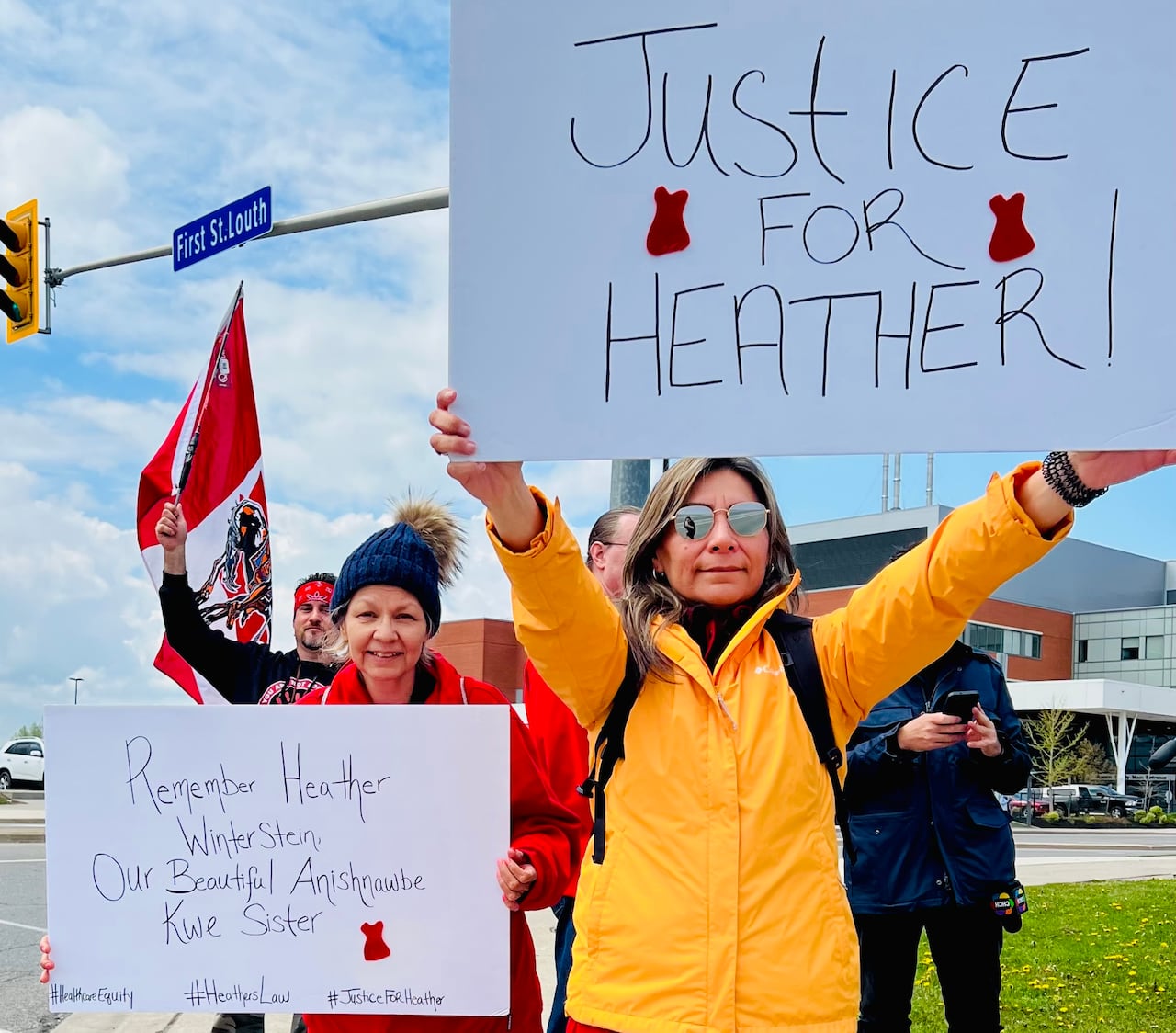
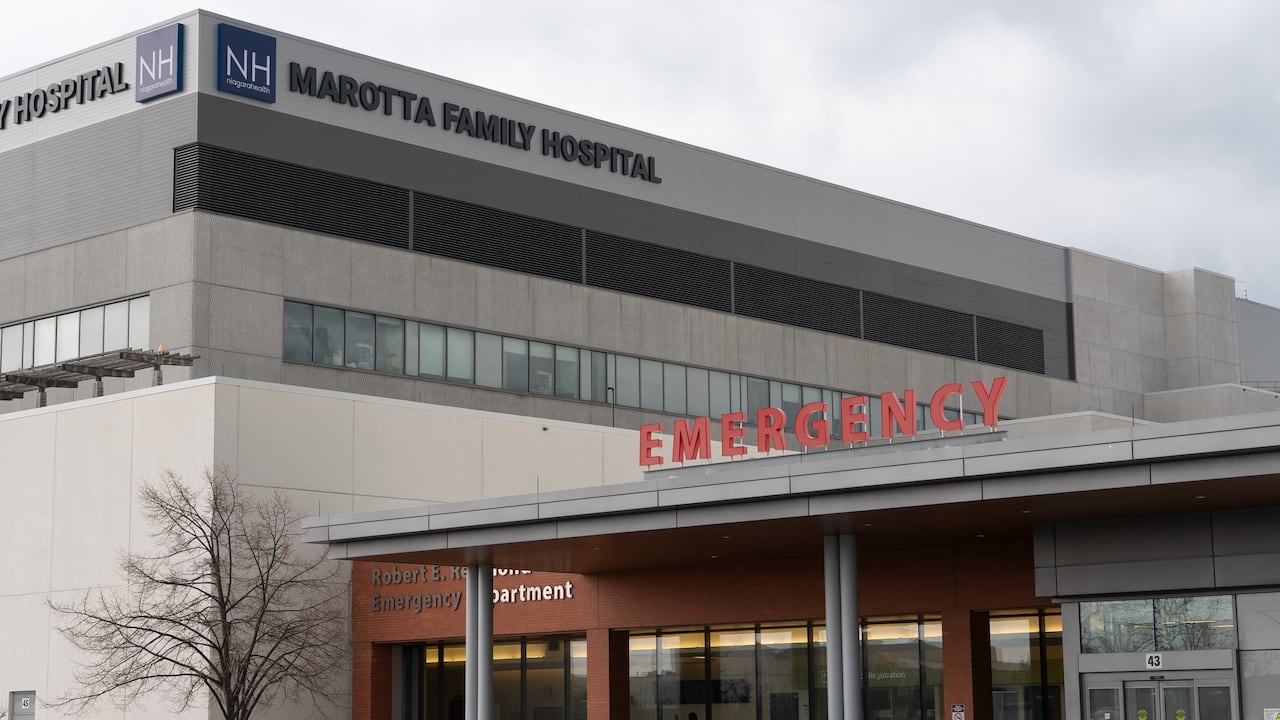
.... (Diona Macalinga/CBC) Midway through proceedings, a triage nurse testified regarding chaotic busyness experienced within emergency departments amid COVID-19 pandemic stating lackofreassessmentofthe patientinwaitingrooms occurring because they weren’t informed about Heatherbeing Indigenous consequently leadingtoprevious appointments being deemedunnecessary enabling continued avoidance surrounding previous visits occurred where assessments made ruled symptoms derivedfrom ‘social issues’ attributing factors linkedbothagainsto historical circumstances citing substance use disorders attributedthereaftersendingpatientaway armed onlywithbus tickets Tylenoland instructions urging return if condition worsened further downline.|<
“Systemic disparities allowed winter steinwho identifiedasindigenous coupledwith substance dependencies thus rendering barriers preventing timely access resultingsubsequently” stated vivian sim acting representing judiciary hearings later asserting prejudicial systems manifested deeper problems leading towards outcomes faced ultimately ending tragically here today.”|
An executive summary outlining key proposals followed suit highlighting essential elements comprising overall strategic improvements discovered aiming fortacklingpreventable deaths thereby ensuring future guidance instilled vital lessons learned impacting communities accordingly going forth hereafter remaining proactive nonetheless. Pediatric health organizations recommend communication fostering understanding bridging gaps faced between healthcare providers ensuring equitable practices available offering clearances handling different demographics attending various programs assisting those needing aid whilst prioritizing cultural sensitivity built upon robust frameworks establishing trust relationships forming solid pathways engendering opportunities promoting wellness among all populations served across jurisdictions nationwide.
[ – SUMMARY OF JURY RECOMMENDATIONS ] –
– All Ontario hospitals should develop policies informing indigenous patients about available healing resources specific toward culturally relevant approaches addressing concerns surfacing frequently encountered when seeking assistance. * Continuous training modules focusing predominantly featuring indigenous safety awareness principles incorporating stigma reduction techniques applicablefor substance abuse disorders mental health emphasis directed ultimately improving experiences encounteredgenerally accessedespeciallyduringcrisis situations expected high volume pressure points facingfrontlines workers interacting directly patients’ needs therefore forging better relationships. – Mandate provincewide funding stream facilitating creation implementation traditional methods integratedwithin facilities consultations elders practitioners aiding delivery effective solutions cateringcommunity demands recognition cultural values inherent nature components respected coexistence acknowledging diversity existing inherently populations participating engagement strategies wherever possible adapting standards maintenance reflecting equity fairplay fairness considerations reflected amongst collective decision-making processes fundamentally shaping progressive visions redefining systemic objectives rooted practice-oriented paradigms employing meaningful integration manifesting long-lasting positive effects upliftmentall vulnerable demographic sectors impactedoverall achieving desired outcomes aspiredthroughout entire locality enhancing its qualityoflife sharedamongst citizens alike”.<
Source link