As Canada’s spring election campaign neared its end, Mark Carney shared with a debate audience that China posed the country’s “biggest geopolitical risk.” He highlighted its efforts to interfere in elections and recent attempts to challenge Canada’s claims in the Arctic.
This week, when Carney’s government plane arrives in Beijing, it marks the first time a Canadian prime minister has been received there in almost ten years. This trip, taking place during a period of fractured global economic and political ties, shows Ottawa’s desire to repair relations with a major power that uses its extensive market as both a charm and a weapon against nations.
However, Carney’s state visit is not just about diplomacy; it also highlights the difficulties stemming from a trade conflict with the US and an urgent need for Canada to boost its exports in response to increasing economic pressures from its neighbor and primary trading partner.
“There is a risk that China views Canada as weak, struggling and abused by President Donald Trump’s administration – and it sees an opportunity to present itself as the reasonable and stable adult in the room,” says Michael Kovrig, a former diplomat and senior Asia adviser for the thinktank International Crisis Group. “The Communist party has given up persuading people that they’re benevolent. Instead, they offer competence and predictability. But it also gives Mark Carney leverage to say: if you think our relationship with the United States is getting worse, what are you willing to give us?”
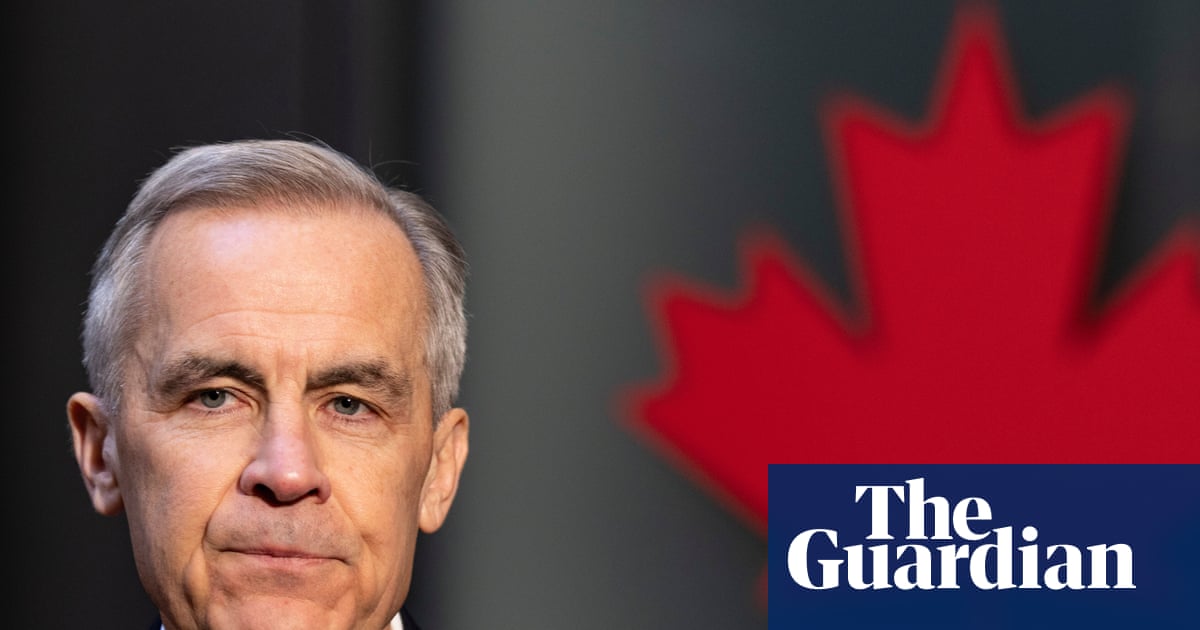
Mark Carney has framed the Beijing visit as an attempt to create a ‘stable’ relationship with Xi Jinping’s China. Photograph: Ludovic Marin/Reuters
Despite any friendly gestures made during this visit, those advising Carney “don’t have any illusions about the kind of leader they’re dealing with,” says Kovrig. “This is a fraught relationship.”
Kovrig himself embodies some of these risks within this relationship. In 2018, Chinese authorities detained Kovrig along with fellow Canadian Michael Spavor for over 1,000 days in retaliation against what they called “a political frame-up” regarding telecom executive Meng Wanzhou. The detentions led to diplomatic tensions that dashed hopes for Canada securing a long-desired free trade agreement. For years now, Ottawa has considered China essential for exporting heavy oil, metallurgical coal, timber and agricultural goods.
Carney views his trip to Beijing as an effort toward establishing a more “stable” connection with China despite ongoing allegations of Chinese interference in Canadian elections recently; however, none of these actions are thought to have impacted results from past two elections.
China has also been prepared to impose punitive measures against significant sectors within Canada. Following Canada’s decision alongside the US to levy tariffs on Chinese electric vehicles in 2024, Beijing retaliated by imposing 100% tariffs on Canadian canola oil and meal; months later adding another 75.8% anti-dumping duty effectively excluding Canadian producers from their second-largest market.
“In normal circumstances would you do any business with someone who is involved in blackmail, hostage taking and mass human rights violations and quite possibly crimes against humanity?” asks Kovrig. “Of course not. But China is the outlier case because it’s so large that you can’t just shun it. And you have to carve out space for diplomacy and economic opportunities because if Canada wants to defend its sovereignty while being prosperous globally then it needs strategies for attracting foreign investment.”
Mark Carney with Donald Trump in the Oval Office of the White House in Washington DC in October. Photograph: Jim Watson/AFP/Getty Images
Shifting Away from ‘America First’
Since stepping into his role as prime minister, Carney has indicated he aims at reestablishing relations between both nations by advocating for plans promoting trade diversification away from reliance on US markets which historically accounted for 76% of Canada’s exports until recently. However,“America First” policies championed by Washington have compelled Carney into reevaluating Canada’s economic foundation.
While federal leaders have turned towards new Indo-Pacific strategies seeking fresh partnerships abroad , there’s still motivation within Canada towards enhancing ties specifically with China – which currently absorbs only 4% of its exports.
Following several meetings among high-ranking Canadian ministers alongside their Chinese counterparts throughout September , Carney engaged directly Premier Li Qiang subsequently discussing matters later on side-lines during global summits held recently meeting President Xi Jinping stating publicly how bilateral relations had reached pivotal junctures.
The upcoming January state visit signifies very deliberate incremental diplomatic maneuvers between both parties noted Roland Paris director at University Of Ottawa graduate school public international affairs.
Paris , who once served under former prime minister Justin Trudeau confirms overlapping interests exist between Beijing/Ottawa , anticipating discussions surrounding energy/agriculture/international security/trade implications arising. Yet expectations centered around resolving retaliatory tariffs impacting Canadian industries necessitate careful handling diplomatically speaking.
“The logic behind [the last two Canadian governments] was maintaining potential trades benefits whilst simultaneously addressing contentious issues prevalent across both countries,” he explains.“You can walk while chewing gum simultaneously.”
Canada traditionally considers liberal values core components underpinning laws institutions extending influence over foreign policy – something tends frustrate certain officials from china.
Among numerous frictions confronted arise encompassing various human rights abuses perpetrated via mainland sustained allegations targeting electoral interferences additionally showcasing maneuvers seen within arctic region.
” It ’ s crucial remembering china isn ’ t our ally , ” states margaret mccuaig-johnston senior fellow university ottawa graduate school public international affairs.
“This isn’t entity pursuing reasoned arguments desiring amicable relations The geopolitical transnational repression risks concerning canada remain unchanged.”
She emphasizes decision taken by china execute four canadian citizens notwithstanding protests voiced internally expresses concerns regarding prosecution pro-democracy activist jimmy lai moreover highlighting increased presence arctic putting monitoring buoys waters claimed own territories.](https://www. theguardian. com/world/2026/jan/12/carney-heads-to-beijing-as-trump-america-first-agenda-forces-canadainto-trade-rethink)(Source link)
(class”(https://www. theguardian. com/world/2026/jan/12/car ney-heads-to-beijing-as-trump-america-first-agenda-forces-canadainto-trade-rethink)(source link)) Analysts expect productive outcomes emerging following successful visits leading agreements benefiting parties overall However kovrig emphasizes hope private discussions encouraging carny addressing longstanding challenges pertaining detainees political disputes cautioning likely utilization reputation promote credentials internally.
Source link