



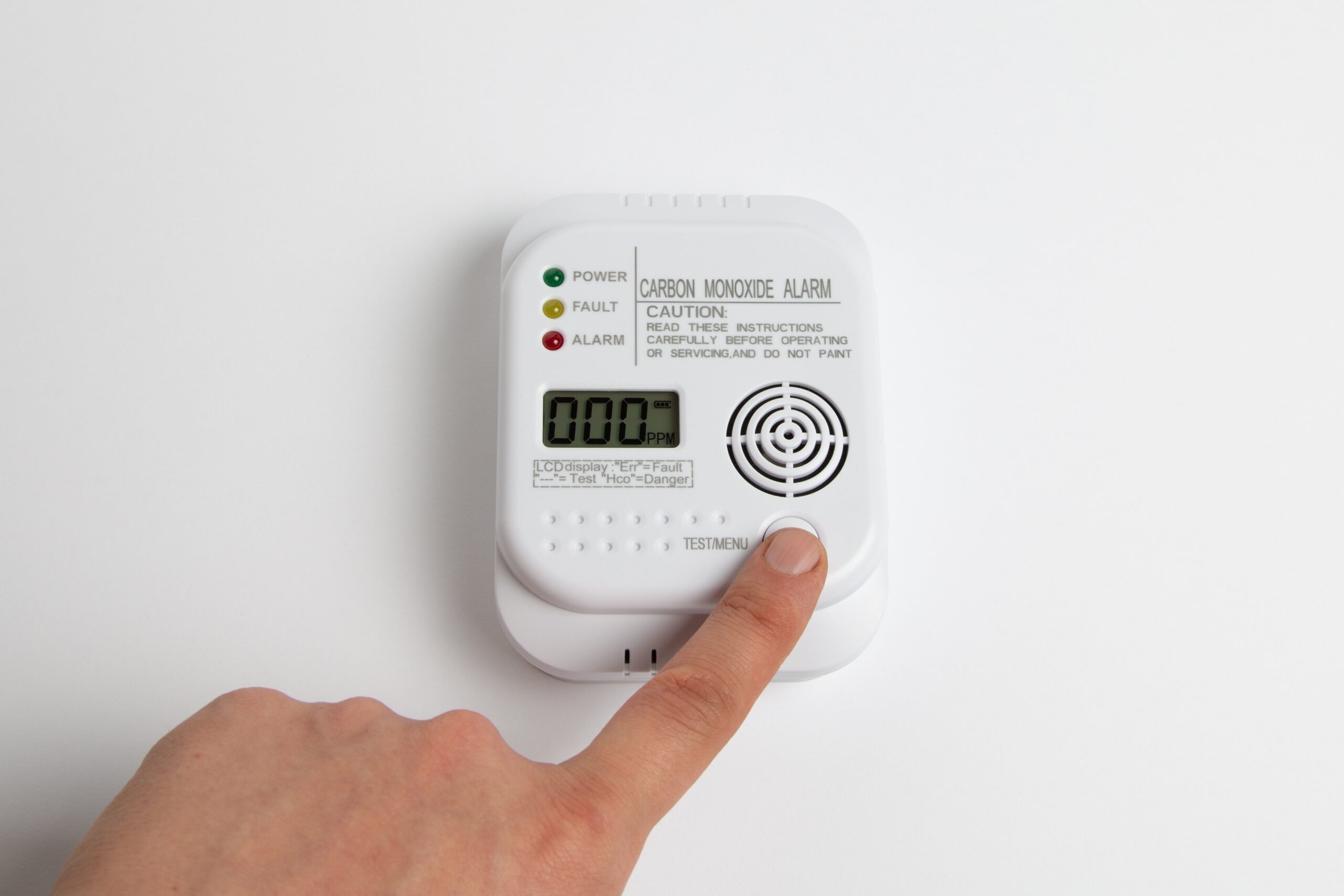
Carbon Monoxide Awareness Week is back for 2025, and St. Catharines Fire Services wants to remind everyone about keeping carbon monoxide alarms and fuel-burning appliances in good shape. They’re also alerting property owners to upcoming legislative changes that will affect requirements in homes.
This year, Carbon Monoxide Awareness Week takes place from Nov. 1 to 7. Carbon monoxide (CO) is often called the silent killer because it’s tasteless and odorless, making it hard to detect without a CO alarm. Being exposed to CO can lead to flu-like symptoms such as headaches, nausea, dizziness, confusion, drowsiness, loss of consciousness, and even death. In Ontario, 65 percent of CO-related deaths happen at home.
The Ontario Fire Code will see important changes starting Jan 1, 2026 regarding how many and where CO alarms need to be placed in residential buildings. Residents are encouraged to make these updates as soon as they can for extra safety:
Ontario Regulation 87/25 (O. Reg. 87/25) made under the Fire Protection and Prevention Act, 1997 introduces changes to the Ontario Fire Code (O. Reg 213/07), which includes more requirements for carbon monoxide detectors. According to the new regulations, all types of residential spaces including homes, apartments and other dwellings that have a fuel-burning appliance, fireplace or attached garage must have: A carbon monoxide (CO) alarm near each sleeping area. A CO alarm on every floor without a sleeping area.
“These new requirements are aimed at enhancing public safety. Carbon monoxide is the silent killer because you can’t see it and you can’t smell it. Working alarms guard your family against the threat, but for them to do the job they need to be installed in the proper locations and be in working order,” said Deputy Fire Chief Andrea De Jong, adding, “Carbon Monoxide Awareness Week is the perfect time to test your alarms, check your batteries, ensure they are properly installed, and that they have not expired.”
Ontario law mandates that property owners install carbon monoxide alarms in sleeping areas of homes with wood-burning fireplaces or attached garages or any fuel-burning appliances like gas furnaces or gas water heaters along with these new regulations.
This law also applies to multi-dwelling residential homes as well as low-rise and high-rise buildings requiring carbon monoxide alarms in various parts of these buildings including units close to service rooms with fuel-burning appliances and those next to parking garages.
While alarms alert you about potential deadly CO leaks, homeowners should go further by ensuring their fuel-burning appliances like furnaces and water heaters are regularly inspected and maintained.
Carbon Monoxide Awareness Week serves as a reminder – get those appliances checked by a certified contractor. Homeowners and landlords should always schedule annual inspections for fuel-burning appliances along with regular maintenance plans.
Make sure you know what your CO alarm sounds like; it’s different from a smoke alarm’s sound. Test both types monthly so everyone at home understands how each one sounds.
If your CO alarm goes off while someone is showing any symptoms of exposure immediately leave the house and call 911. If no one has symptoms make sure that the alarm doesn’t need new batteries or isn’t expired before calling 911.
Source link
Source link


