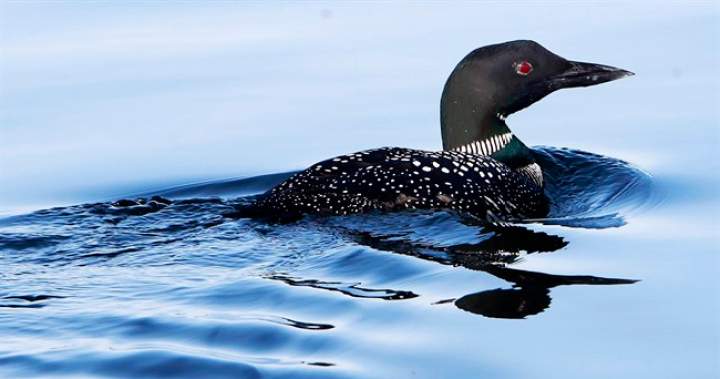
One of Ontario’s Great Lakes is experiencing “ecological stressors” that are having a “devastating effect on the ecosystems” that call it home.
The Rescue Lake Simcoe Coalition (RLSC), an organization pushing for a healthier Lake Simcoe, released a report Tuesday that points out phosphorus pollution and road salt among several factors jeopardizing the lake’s health.
“What we’re trying to do in the report is to take a very fair, frank view at what the challenges are, what has been working, and what hasn’t been working,” said Jonathan Scott, executive director of RLSC.
As Canada’s ice fishing capital, any losses in fish populations would greatly affect tourism in the area.
“The health and wellbeing of the lake is intrinsically linked to the economic success of the region,” he added. “Lake Simcoe is central to the economic drivers of the region: agriculture, tourism, fishing, both in summer and winter.”

![]() In shift from Trump, Rubio says U. S. won’t govern Venezuela
In shift from Trump, Rubio says U. S. won’t govern Venezuela
![]() Ukraine’s Zelenskyy appoints Chrystia Freeland his economic advisor
According to Scott, this shows that while LSPP isn’t broken it is under pressure.
The LSPP is a provincial plan aimed at protecting and restoring Lake Simcoe’s health by enhancing water quality, cutting harmful pollutants down, addressing invasive species issues along with restoring cold-water fish habitats. It also promotes sustainable land use while strengthening protections through research and legislation.
The threats outlined in Lake Simcoe Protection Act still persist 16 years after its original implementation as stated on the Government of Ontario’s website.
The RLSC urges immediate coordinated action to fulfill Ontario’s watershed protection commitments based on their report recommendations.
The suggested actions include updating and enforcing provincial phosphorus reduction strategies; investing in stormwater management as well as asset maintenance; tackling road salt pollution through reforms regarding liability; regulation; enforcement; plus enhancing governance within conservation authorities.
© 2025 , a division of Corus Entertainment Inc.
Ukraine’s Zelenskyy appoints Chrystia Freeland his economic advisor
According to Scott, this shows that while LSPP isn’t broken it is under pressure.
The LSPP is a provincial plan aimed at protecting and restoring Lake Simcoe’s health by enhancing water quality, cutting harmful pollutants down, addressing invasive species issues along with restoring cold-water fish habitats. It also promotes sustainable land use while strengthening protections through research and legislation.
The threats outlined in Lake Simcoe Protection Act still persist 16 years after its original implementation as stated on the Government of Ontario’s website.
The RLSC urges immediate coordinated action to fulfill Ontario’s watershed protection commitments based on their report recommendations.
The suggested actions include updating and enforcing provincial phosphorus reduction strategies; investing in stormwater management as well as asset maintenance; tackling road salt pollution through reforms regarding liability; regulation; enforcement; plus enhancing governance within conservation authorities.
© 2025 , a division of Corus Entertainment Inc.
Source link
Get breaking National news
For news impacting Canada and around the world, sign up for breaking news alerts delivered directly to you when they happen. “Success depends not only on clear goals but on full commitment from governments, municipalities, conservation authorities; isolated capital investments alone are no substitute for a sustained strategy,” Scott said. Story continues below The report presents a mixed picture for Lake Simcoe: invasive species and climate change continue to threaten native fish populations; while lake trout and whitefish numbers are declining, burbot, bass and perch species remain resilient and generally healthy. RLSC notes several instances where phosphorus levels have slightly dropped; however, they still exceed targets set by Lake Simcoe Protection Plan (LSPP) back in 2009. Likewise, deep-water oxygen levels have improved somewhat, and wetland cover has stayed relatively stable in some regions. These trends indicate that despite initial successes, they still fall short of the coalition’s goal for “maintained ecosystem resilience,” according to the report. Trending Now In shift from Trump, Rubio says U. S. won’t govern Venezuela
 Ukraine’s Zelenskyy appoints Chrystia Freeland his economic advisor
According to Scott, this shows that while LSPP isn’t broken it is under pressure.
The LSPP is a provincial plan aimed at protecting and restoring Lake Simcoe’s health by enhancing water quality, cutting harmful pollutants down, addressing invasive species issues along with restoring cold-water fish habitats. It also promotes sustainable land use while strengthening protections through research and legislation.
The threats outlined in Lake Simcoe Protection Act still persist 16 years after its original implementation as stated on the Government of Ontario’s website.
The RLSC urges immediate coordinated action to fulfill Ontario’s watershed protection commitments based on their report recommendations.
The suggested actions include updating and enforcing provincial phosphorus reduction strategies; investing in stormwater management as well as asset maintenance; tackling road salt pollution through reforms regarding liability; regulation; enforcement; plus enhancing governance within conservation authorities.
© 2025 , a division of Corus Entertainment Inc.
Ukraine’s Zelenskyy appoints Chrystia Freeland his economic advisor
According to Scott, this shows that while LSPP isn’t broken it is under pressure.
The LSPP is a provincial plan aimed at protecting and restoring Lake Simcoe’s health by enhancing water quality, cutting harmful pollutants down, addressing invasive species issues along with restoring cold-water fish habitats. It also promotes sustainable land use while strengthening protections through research and legislation.
The threats outlined in Lake Simcoe Protection Act still persist 16 years after its original implementation as stated on the Government of Ontario’s website.
The RLSC urges immediate coordinated action to fulfill Ontario’s watershed protection commitments based on their report recommendations.
The suggested actions include updating and enforcing provincial phosphorus reduction strategies; investing in stormwater management as well as asset maintenance; tackling road salt pollution through reforms regarding liability; regulation; enforcement; plus enhancing governance within conservation authorities.
© 2025 , a division of Corus Entertainment Inc.
Source link