



The government led by Premier Doug Ford will choose chairs for eight regional governments in the coming weeks, according to Ontario’s municipal affairs minister, as opposition members voice concerns that these appointed leaders will be politically biased.
In April, the province revealed plans to select chairs for councils in the regional municipalities of Durham, Halton, Muskoka, Peel, Waterloo, York and Niagara as well as the warden for Simcoe County. The legislation was passed into law in May.
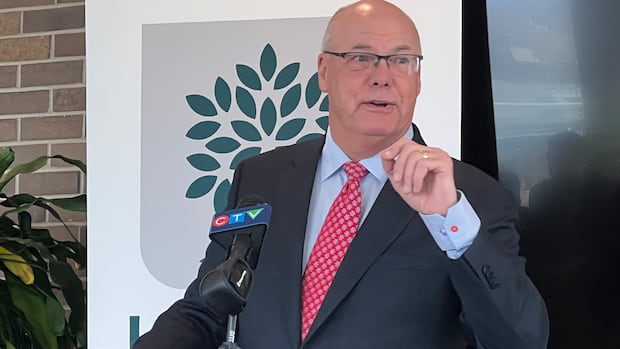
Minister Rob Flack informed reporters on Tuesday that he expects the new regional chairs will be named within “30 to 40 days” and that the selection process is being managed by civil servants from the province.
“We have a process in place, ministry-led,” Flack stated. “I’m not going to mention who applied or who didn’t. That’s very important. We’re going to follow that process to the end.
“We’ll be making those announcements in the coming days or short weeks ahead,” he continued.
These appointments are expected shortly after Ontario’s municipal elections concluded Monday and as recent changes made by the province regarding regional governments come into effect.
Appointees Will Hold ‘Strong Chair’ Powers Under New Plan
With Bill 100, known as the Better Regional Governance Act, unelected regional chairs will gain “strong chair” powers akin to strong mayor powers granted in some cities.
These powers provide mayors authority over budgets and appointments; they can hire and fire certain city staff; veto specific council votes; and pass some bylaws with support from only a third of council members.
WATCH | How will regional chairs be appointed? Minister explains: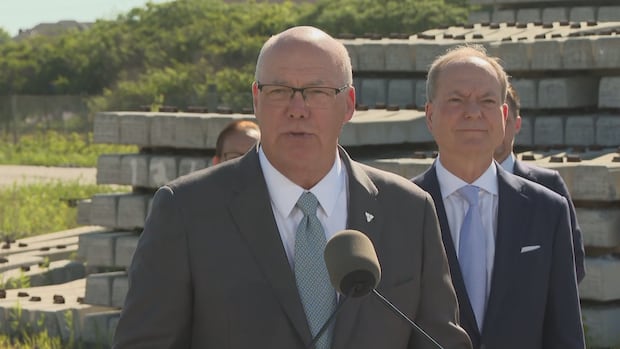
Minister provides more details on how regional chairs will be appointed
The Ontario government will appoint chairs to eight regional municipalities this fall. Ontario Minister of Municipal Affairs and Housing Rob Flack spoke at a press conference on Tuesday and offered more details about the process. Flack said people can apply for the job and the province is looking for individuals with elected experience in their area.
Prior to Bill 100’s passage, some communities directly elected their regional chairs while others were chosen by sitting councillors or appointed by the province in different regions.
Flack mentioned earlier this summer that vetting for these appointments was already underway but shared few specifics at that time. When asked on Tuesday if politicians from regions who lost their municipal elections could still apply for these roles, Flack responded no.
Opposition Claims PCs Aim To Interfere With Local Democracy
Opposition leaders at Queen’s Park criticized this move as undemocratic and urged the government to scrap its plan.
NDP Leader Marit Stiles expressed concern that this appointment method would lead to partisan choices resulting in unelected leaders overseeing local governments.
“This government has shown over and over again that they will put their own people, failed candidates, in those positions,” she remarked. “People are upset that they can’t elect their regional chairs, and this premier wants to continue to meddle in our local democracy.”
NDP Leader Marit Stiles says she is concerned about partisan appointments which answer more to Ford than local constituents. (CBC) p >
Interim Liberal Leader John Fraser also expressed worries about how this appointment system undermines local governance.
“Doug Ford’s assault on democracy continues,” he said.
The organization representing all 444 municipalities across Ontario has voiced its disapproval of appointing regional chairs calling it “undemocratic” and urging a reversal of this approach.
The Association of Municipalities of Ontario (AMO) publicly criticized this initiative back in June when its president sent a letter expressing these concerns. Robin Jones wrote that such appointments weaken accountability while undermining local politicians’ efforts towards community representation and service delivery.
“We are very concerned that Bill 100 is part of ongoing decisions diminishing power from local officials along with voters they represent favoring centralized decision-making at Queen’s Park,” Jones noted in his correspondence with Flack.
During discussions then, Ford defended his stance claiming he was simply solidifying practices already present in some regions.
“We’ve done it already. The previous government has done it,” he said regarding appointing regional chairs. “So I’m not too sure what they’re talking about.” pd>
Source link