


A new federal investment in VIA Rail’s passenger cars should lead to discussions about expanding train service from Sudbury to Thunder Bay, according to a transportation writer from the north. He believes it’s essential for people to have more options for accessing health care, education, and other services.
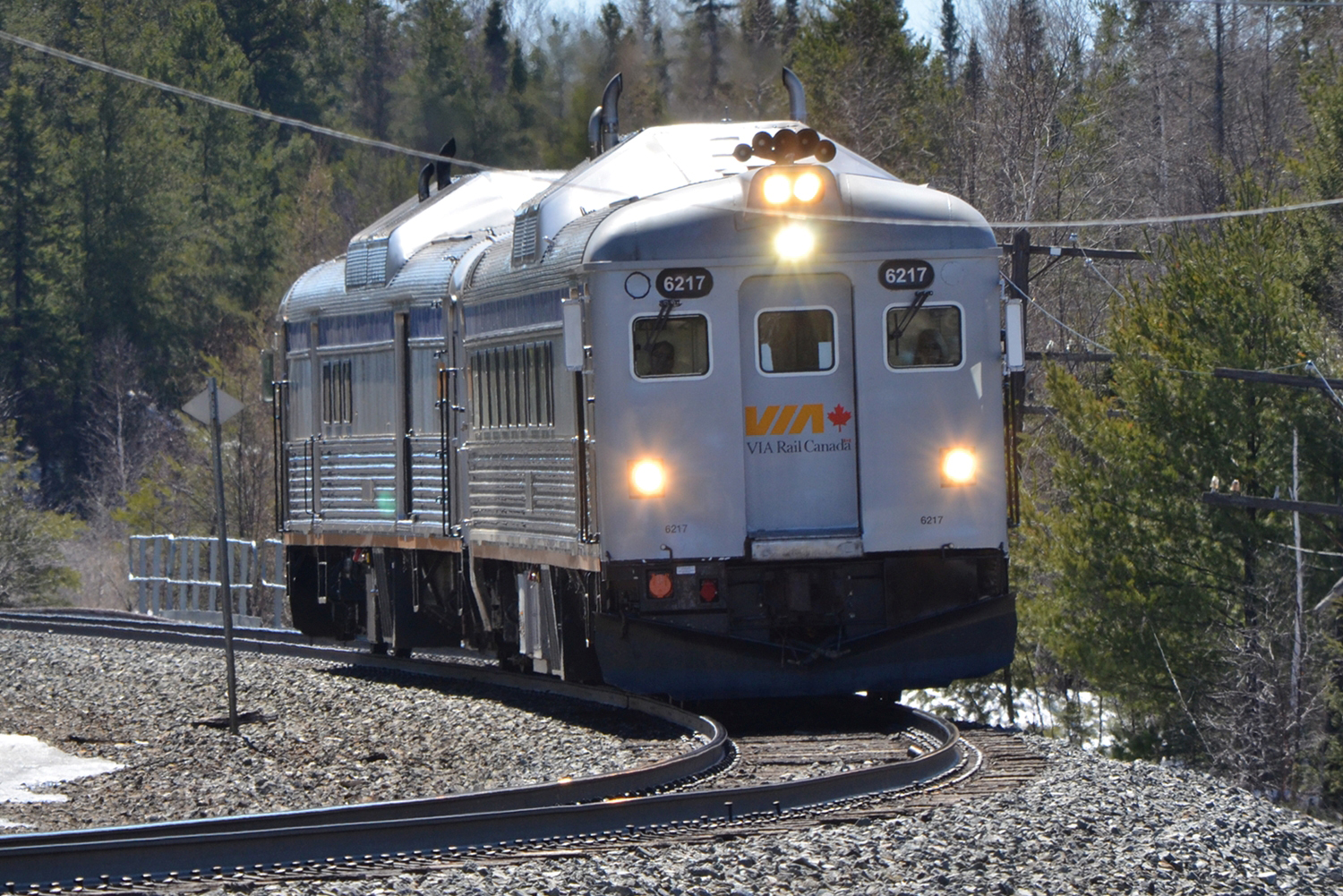
In an interview, Éric Boutilier, who manages the Northern Tracks blog, shared his idea of extending the current Sudbury-White River train route along Lake Superior’s North Shore.
“It would provide a legitimate transportation alternative for seniors, students, and medical patients,” he stated.
“It would give them access to services in Thunder Bay or in Sudbury, for that matter, that are otherwise not available in their communities.”
In September, the federal government announced over $4.7 billion to purchase and maintain 313 passenger rail cars from Alstom Canada for VIA Rail’s long-distance and regional services. The cars will be manufactured in Thunder Bay and La Pocatière, Que., with the first units expected to begin service by 2031 and complete deployment anticipated by 2035.
As reported by Transport Canada, the average age of passenger cars in that fleet is around 77 years old, with many nearing the end of their useful life. The replacement vehicles aim to enhance reliability, accessibility, and comfort.
While this announcement supports fleet renewal efforts, it doesn’t endorse Boutilier’s proposed North Shore extension.
“I think it creates an opportunity to look at maybe extending the service,” he remarked.
Boutilier explained that individuals who can’t drive long distances have few options for getting to larger cities. Air travel tends to be pricey while taking an overnight bus may be challenging for those seeking medical treatment.
He also sees passenger rail as a viable option when road travel faces interruptions due to accidents or inclement weather; however, he emphasized that reliable equipment is crucial.
His plan aims to expand on an existing service running between Sudbury and White River rather than create a brand-new train route.
Boutilier noted that the current trip covers about 480 kilometers and lasts approximately eight hours. Extending this route to Thunder Bay would add roughly 400 kilometers and could take an additional four or five hours based on past schedules.
That longer journey would necessitate evaluating staffing levels, equipment needs, and railway capacity. In his article, he points out existing CPKC tracks west of White River as a possible path.
Boutilier believes a business case should evaluate infrastructure conditions at stations along with costs, expected ridership numbers, and travel trends. Communities and First Nations within that corridor must be consulted regarding their transportation requirements.
He referred to the business case created for Ontario’s Northlander restoration as an example of the thorough analysis needed before any decisions are made.
Daily service would certainly be beneficial; however, both frequency and stop locations ought to be determined based on this research.
“What are ridership projections?” he asked. “What are natural travel patterns?”
Political backing is also necessary from federal provincial municipal governments as well as First Nations; following which direction can be given to VIA Rail about pursuing the extension.
Concerns about reliable service already exist on the current route. Boutilier stated that records obtained through an access-to-information request revealed there were 44 cancellations of Sudbury-White River services in 2025 due mainly to mechanical issues. He mentioned that VIA Rail did not arrange alternative transport during these cancellations.
These disruptions affected small communities where public transport options are limited.
A maintenance document linked in his article indicates VIA Rail spent around $9 million over five years keeping equipment assigned for Sudbury operational; including $2.25 million just in 2025 alone.
The document details engine replacements among other repairs aimed at improving parts availability along with reviewing whether legacy equipment could be reassigned when failures happen.
p>