



Cat IQ’s 90-day report shows that residential claims are driving the latest increase, with the majority of personal property losses occurring in Nepean and southwest Ottawa.
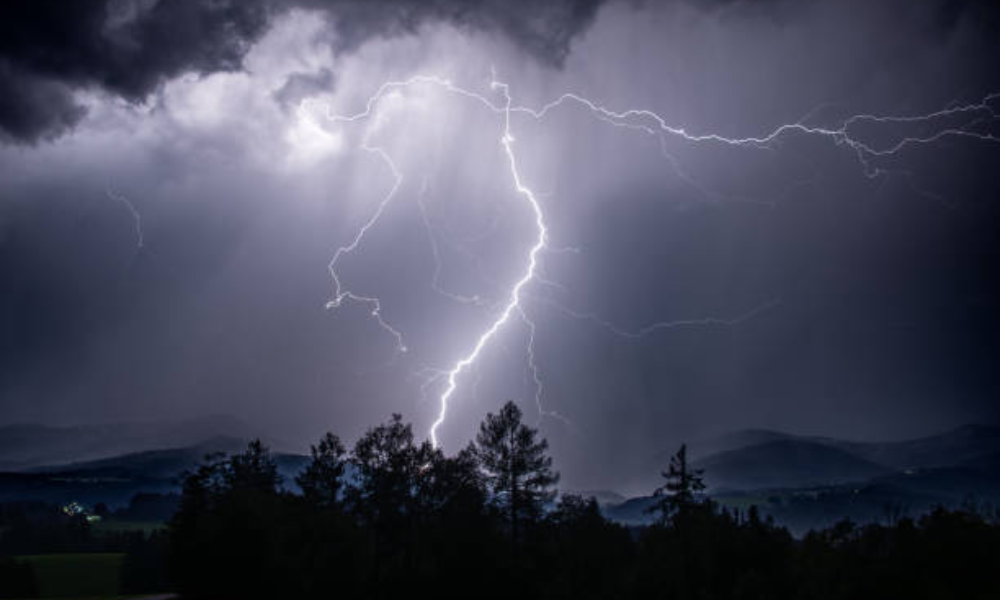
Insured damages from the intense thunderstorms that struck southern Ontario and southern Quebec between June 30 and July 3 have climbed to $491 million, according to the latest figures from Catastrophe Indices and Quantification Inc. (Cat IQ).
The 90-day figure has increased from $439 million at the 45-day mark and is up from Cat IQ’s initial estimate of $374 million. This total includes commercial and residential property losses, auto claims, and additional loss adjustment expenses.
The bulk of this recent increase is attributed to residential claims. This marks a change from the previous update, where growth was mostly driven by commercial lines.
Heavy Losses in Southwest Ottawa
Cat IQ’s detailed data highlights how concentrated these losses were. Over 45% of the reported personal lines loss originated from just two forward sortation areas (FSAs), which are postal code districts used by insurers to compile claims, in Nepean.
Caroline Floyd, Cat IQ’s director, noted that Ottawa experienced its wettest summer on record in 2026, contributing significantly to this situation. Out of nearly 550 mm of rainfall recorded in the city from June to August, approximately 120 mm fell on Canada Day alone.
“All told, more than 70% of the incurred total and more than 60% of claims for personal property arose from Nepean and communities on the southwest side of Ottawa,” Floyd said.
Local authorities reported over 4,500 basement floods following the storm, including sewer backups and drainage failures, as reported by Insurance Business in September.
Cat IQ’s next update regarding this event is scheduled for January 5, 2027.
Summerland Wildfire Estimate Reduced
Cat IQ has also revised its estimate for the Bald Range Fire that impacted Summerland, British Columbia, and nearby areas in August. The updated figure at 45 days stands at $293 million, down from an initial estimate of $313 million. This brings it below PERILS’ reporting threshold-Cat IQ’s parent company.
Implications for Brokers
The continuous rise in residential losses illustrates how pluvial flood claims develop over time. Claims related to basement flooding take longer to assess; costs associated with contents recovery and restoration can accumulate quickly while disputes about water sources may delay resolution.
For brokers dealing with personal lines insurance, understanding where these losses are focused is crucial. When over 45% of market-wide personal lines losses stem from just two postal districts, insurers’ pricing strategies may be affected. Brokers representing clients in Nepean and southwest Ottawa should anticipate closer examination of water endorsements during renewals along with potentially higher deductibles or sublimits for those hardest-hit neighborhoods.
The claims from Ottawa highlight differences between coverage for sewer backups versus overland flooding. Pluvial flooding can enter homes through both paths. A client holding only one type of endorsement might discover part of their claim isn’t covered. Reviewing both options together while informing clients about flood mitigation incentives offered by the City of Ottawa provides brokers a practical way to navigate renewal discussions in impacted regions.
Source link