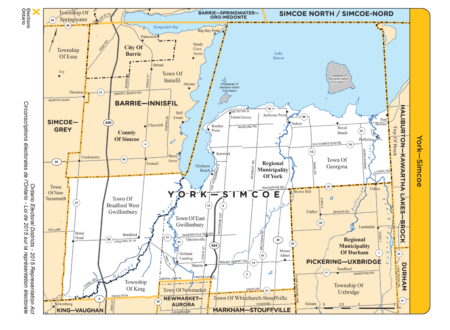



The Georgina Island First Nation is starting a program to tackle the harmful plant and safeguard areas that are ‘culturally and ecologically important’ on the island.
NEWS RELEASE
INVASIVE SPECIES CENTRE
**********************
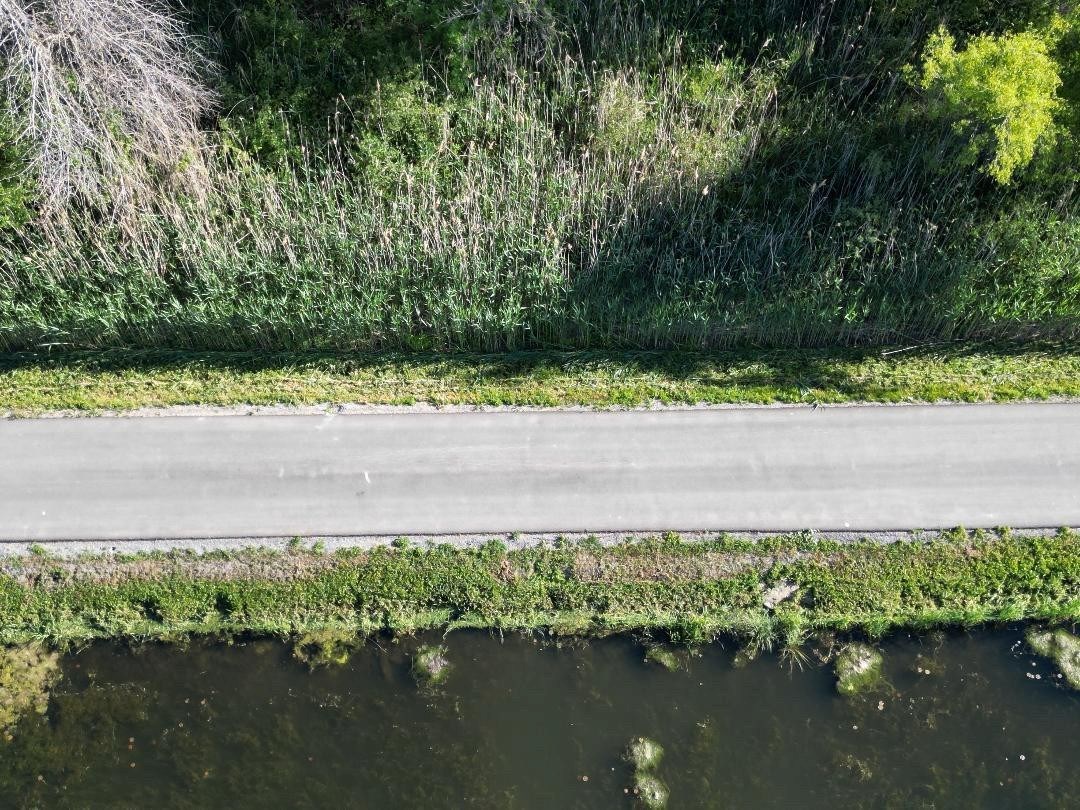
The Ontario Phragmites Action (OPA) program is excited to share that it will be funding 120 projects for monitoring and managing invasive Phragmites during 2026-27 through the Invasive Phragmites Control Fund (IPCF). This funding comes from an investment by the Ontario Ministry of Natural Resources, coordinated by the Invasive Species Centre and Nature Conservancy of Canada. Controlling Phragmites could provide estimated benefits of $113.4 million each year. The economic effects touch agriculture, wetlands, property values, tourism, recreation, and essential municipal assets like roads, drainage systems, and stormwater ponds. Furthermore, it creates road hazards, poses fire risks, obstructs shoreline access, and directly affects habitats critical for endangered species. The OPA program gives power to municipalities, conservation authorities, Indigenous communities, and not-for-profit organizations to carry out hands-on efforts for controlling Phragmites. These projects are part of a larger effort across Ontario aimed at managing and preventing the introduction and spread of invasive Phragmites. This includes a collaboration with the Chippewas of Georgina Island First Nation. Georgina Island First Nation is kicking off a project focused on managing invasive Phragmites while protecting areas that hold cultural and ecological significance across the island. The initiative will involve mapping and monitoring these invasive plants before removing them strategically. Their partner group, First Nation Phragmites Control, aims to build local skills and raise awareness about how invasive Phragmites spreads by providing community members with chances for outreach activities, education sessions, and hands-on training. Through restoring managed sites, this project will help revive healthy ecosystems while safeguarding habitats for fish and wildlife. It also supports ongoing stewardship of Georgina Island’s lands and waters for future generations. **********************
Source link
INVASIVE SPECIES CENTRE
**********************
The Ontario Phragmites Action (OPA) program is excited to share that it will be funding 120 projects for monitoring and managing invasive Phragmites during 2026-27 through the Invasive Phragmites Control Fund (IPCF). This funding comes from an investment by the Ontario Ministry of Natural Resources, coordinated by the Invasive Species Centre and Nature Conservancy of Canada. Controlling Phragmites could provide estimated benefits of $113.4 million each year. The economic effects touch agriculture, wetlands, property values, tourism, recreation, and essential municipal assets like roads, drainage systems, and stormwater ponds. Furthermore, it creates road hazards, poses fire risks, obstructs shoreline access, and directly affects habitats critical for endangered species. The OPA program gives power to municipalities, conservation authorities, Indigenous communities, and not-for-profit organizations to carry out hands-on efforts for controlling Phragmites. These projects are part of a larger effort across Ontario aimed at managing and preventing the introduction and spread of invasive Phragmites. This includes a collaboration with the Chippewas of Georgina Island First Nation. Georgina Island First Nation is kicking off a project focused on managing invasive Phragmites while protecting areas that hold cultural and ecological significance across the island. The initiative will involve mapping and monitoring these invasive plants before removing them strategically. Their partner group, First Nation Phragmites Control, aims to build local skills and raise awareness about how invasive Phragmites spreads by providing community members with chances for outreach activities, education sessions, and hands-on training. Through restoring managed sites, this project will help revive healthy ecosystems while safeguarding habitats for fish and wildlife. It also supports ongoing stewardship of Georgina Island’s lands and waters for future generations. **********************
Source link