





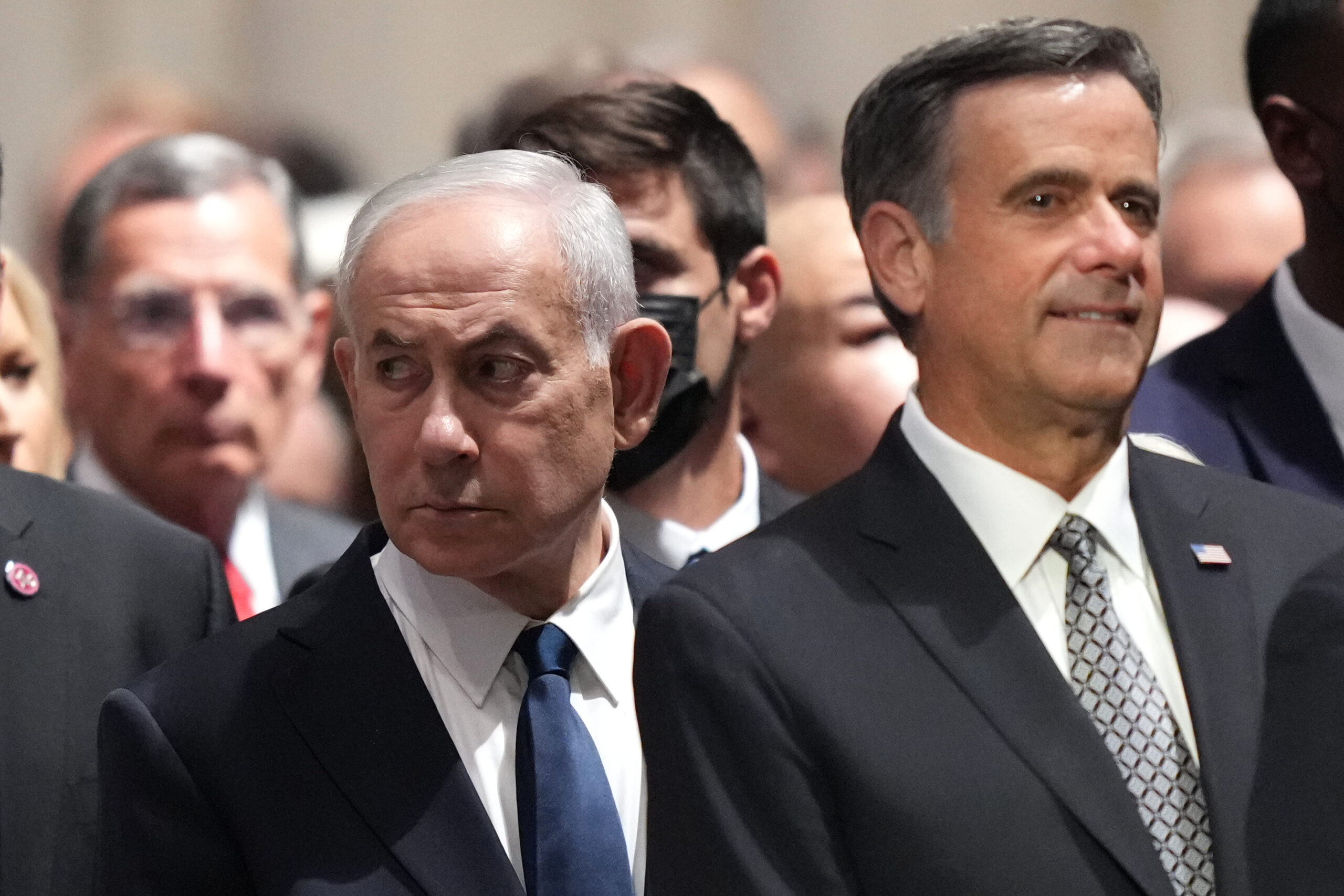
When an Israeli prime minister arrives in Washington for talks with the president of the United States, it’s usually a grand affair.
However, when Israeli Prime Minister Benjamin Netanyahu met with President Donald Trump on July 29, that wasn’t the case. Instead, the seasoned politician, who was in town for U. S. Sen. Lindsey Graham’s memorial service, kept a low profile, wary of upsetting an American leader who has frequently criticized Israeli policies in the Middle East.
This situation highlights a growing reality for Israel: The nation is increasingly subject to scrutiny. Congressional candidates who would have previously been labeled as extremists for even hinting at reducing U. S. military aid to Israel are now gaining traction and defeating more established politicians in primary elections. Progressive candidates within the Democratic Party have successfully unseated long-standing incumbents backed by big donors in solidly Democratic areas like New York City, Colorado, and Michigan, where Abdul El-Sayed defeated an opponent with significantly more funding from the American Israel Public Affairs Committee, or AIPAC.
Even leaders within the Democratic political sphere are recognizing this shift. Senate Minority Leader Chuck Schumer, historically one of Israel’s staunchest supporters in Congress, criticized Netanyahu during a speech on the Senate floor in March 2024 and urged Israelis to vote for a new government. Rahm Emanuel, former congressman and White House chief of staff, visited Tel Aviv University in July to chastise Netanyahu for making Israel an international pariah.
Aaron Kaplowitz: Rahm Emanuel and Rep. Ro Khanna come to Israel to court far-left voters
The elected officials aren’t spearheading this change; they’re simply reflecting where American voters stand. Polls indicate that many Americans are fed up with how Washington handles Israel-related issues. There’s a notable move away from the unwavering support both major political parties have given Israel since it became independent in 1948. A survey conducted by AP-NORC Center for Public Affairs Research shows that 58% of Democrats – including 51% of Jewish Democrats – believe the U. S. is too supportive of Israel; that’s a rise of 13 percentage points since January 2024. According to Quinnipiac University polling asking if America provides too much support to Israel, nearly half (48%) agreed – marking the highest level since this question was first posed nearly ten years ago. Netanyahu’s popularity has taken a hit; almost half of Americans think he should face war crime charges if he were to enter the United States.
Netanyahu might find solace knowing it’s mainly Democrats turning against Israel rather than all Republican perspectives shifting too drastically. Yet even among Republicans who traditionally align closely with Israel’s interests, their support isn’t as uniform as it appears at first glance. There’s a significant generational divide within Trump’s MAGA base that’s worth noting: only 11% of Trump supporters think the U. S is too closely tied to Israel’s current administration; however, among those under 35 years old, that number jumps to about 32%.
The Trump administration continues to assert that there’s no better ally for Israel than its current president; however sometimes being an ally means addressing difficult truths when Israeli actions don’t align with what Washington aims for in the region.
If we look at rhetoric alone, one could argue Trump has been tougher on Israeli actions than Joe Biden ever was during his presidency. For instance, when Israel attempted to assassinate a senior Hamas official in Qatar last September – while Qatar was facilitating negotiations aimed at resolving conflict over Gaza – Trump condemned that action and admonished Netanyahu publicly for such recklessness while compelling him to apologize directly to Qatari Prime Minister Sheikh Mohammed bin Abdulrahman Al Thani during their meeting at the White House afterwards. In June this year after Israeli airstrikes targeted Beirut which jeopardized peace discussions between Washington and Iran further downriver-Trump called Netanyahu angrily over it.
Vice President JD Vance-a potential candidate for Republican nomination in 2028-has gone even further by accusing Netanyahu’s government outright of intentionally undermining diplomatic efforts made by Trump’s administration concerning Middle Eastern relations through public allegations against them being manipulative players trying prolong conflicts indefinitely instead finding solutions beneficial everyone involved including themselves.” Vance shared his frustrations on Joe Rogan’s podcast stating:
“There are some people within their system we know beyond a shadow of doubt who are manipulating and trying changing American public opinion keeping wars ongoing without end,” Vance pointed out.
The vice president maintains consistent replies towards those resisting negotiation processes presently occurring regarding Tehran: if they don’t propose viable alternatives then they ought not express dissent anymore.
This certainly doesn’t mean U. S.-Israel ties are poised on brink total collapse anytime soon though! While Democratic Socialists may be gaining ground politically here domestically across states-their stance towards israel characterizing it akin revisionist regimes like North Korea hasn’t gained traction among lawmakers either thus far!
Barring any drastic events – continued military financial assistance via supplemental packages coupled alongside annual $3.8 billion defense aid earmarked specifically strengthen capability mustered up amongst respective forces stationed inside borders remains intact politics/policies yesteryear becoming shifted viewpoints everywhere! Anyone hoping changes resulting forthcoming October elections featuring lesser controversial successors leading new governments assuming office will reset these dynamics likely fooling themselves!
The relationship between U. S & ISRAEL seems set transition normalcy instead extraordinary nature altogether – so best get accustomed accordingly folks !
Daniel De Petris is fellow Defense Priorities writing s focused foreign affairs Tribune publication!
Submit letter max length capacity under four hundred words editor herein or email letters@chicagotribune. com
Source link